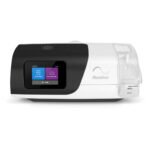
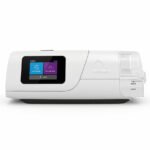
 Featured Machines
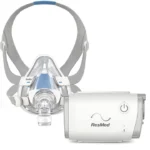 Travel CPAPs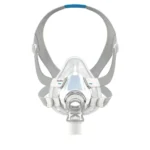
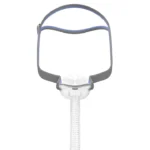 Most Popular Masks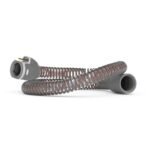
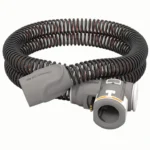 Tubes and Hoses
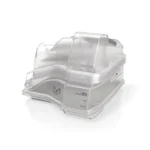 Humidifier Chambers
 Machine Filters
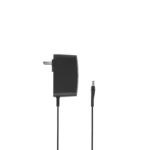 Power Cords
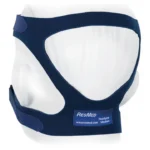 Headgear
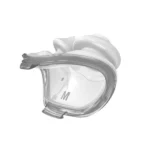 Nasal Pillows
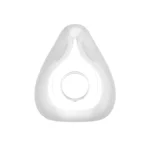 Cushions and Seals


Sleep Apnea Symptoms Adults Should Not Ignore

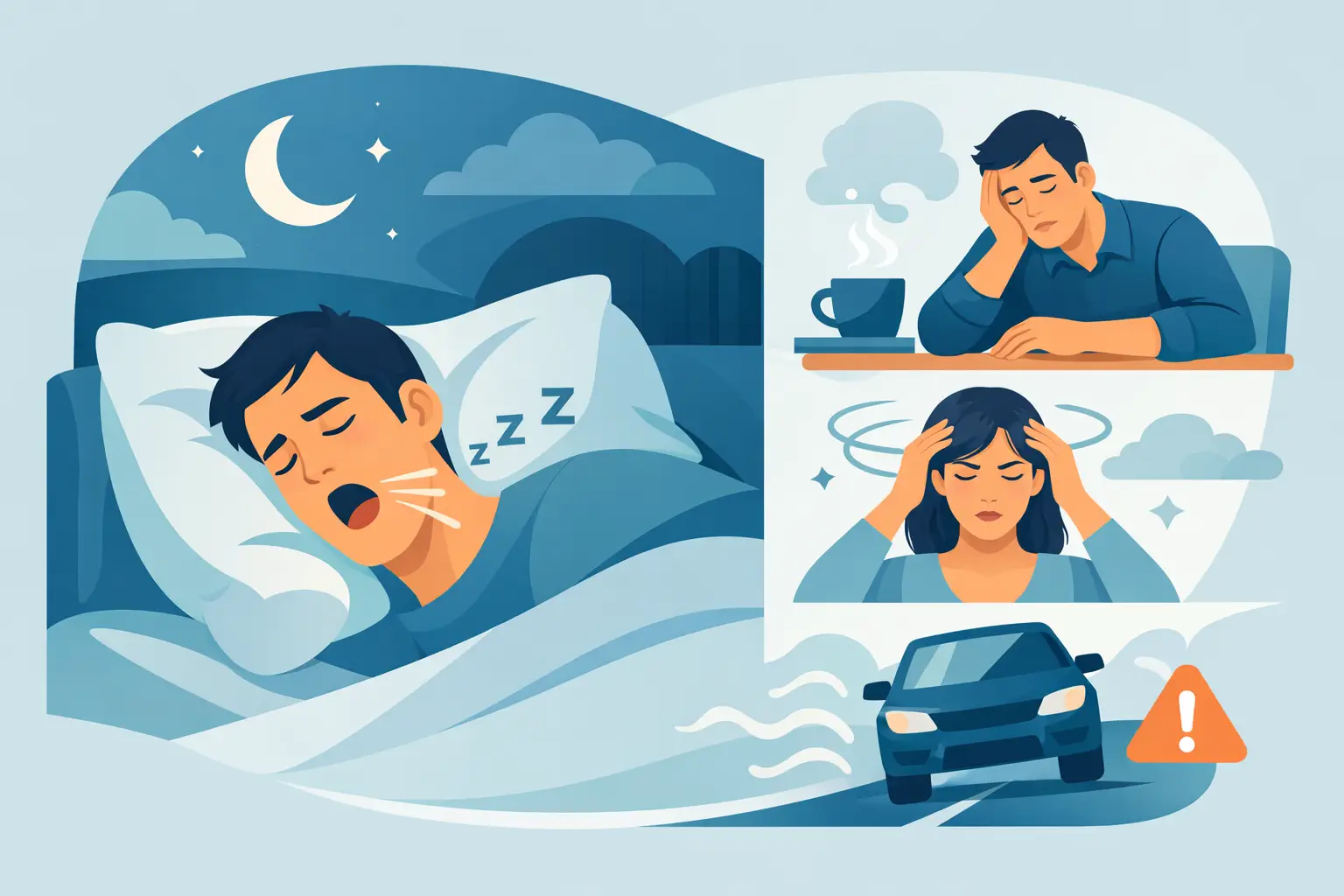
A partner may notice the first clue long before you do: loud snoring that suddenly stops, followed by a pause and a sharp gasp. Yet sleep apnea symptoms adults experience are not limited to snoring. Many people assume they are simply stressed, getting older, or not sleeping enough when daytime exhaustion, morning headaches, and trouble concentrating begin to affect daily life.
Obstructive sleep apnea, often called OSA, happens when the upper airway repeatedly narrows or closes during sleep. Each interruption can briefly lower oxygen levels and prompt the brain to wake the body enough to resume breathing. These awakenings are often so short that you will not remember them, but they can keep you from getting the deep, restorative sleep your body needs.
Common sleep apnea symptoms in adults
Snoring is one of the best-known signs, but it is not a diagnosis on its own. Some people who snore do not have sleep apnea, and some people with sleep apnea do not snore loudly. The pattern matters more: persistent, disruptive snoring combined with pauses in breathing, choking, or gasping deserves attention.
Nighttime symptoms may include restless sleep, frequent awakenings, waking with a dry mouth, sweating, or needing to urinate more than once. You may wake feeling as though you slept for hours but still feel unrefreshed. Bed partners sometimes report seeing breathing pauses before the person experiencing them recognizes there is a problem.
Daytime symptoms can be easier to dismiss, especially for busy adults. They often include excessive sleepiness, low energy, irritability, reduced focus, memory lapses, and a tendency to doze off while watching television, reading, or sitting quietly. Morning headaches and waking with a sore throat can also occur. If drowsiness affects your ability to drive, work safely, or stay alert, take it seriously and seek medical guidance promptly.
Why symptoms can look different from person to person
Sleep apnea does not always present as a dramatic nighttime struggle to breathe. Symptoms can be shaped by age, anatomy, weight changes, alcohol use, nasal congestion, medications, and other health conditions. People with insomnia may focus on the fact that they cannot stay asleep without realizing breathing disruptions are part of the picture.
Women are also sometimes less likely to describe classic loud snoring or witnessed pauses. Instead, they may report fatigue, insomnia, headaches, mood changes, or waking frequently. That does not mean these symptoms automatically point to sleep apnea. It does mean they are worth discussing when they persist, particularly alongside snoring or unrefreshing sleep.
A person can also have sleep apnea at any body size. Carrying extra weight can increase risk, but it is not the only factor. A narrow airway, enlarged tonsils, jaw structure, family history, smoking, and certain hormonal changes may play a role. Avoid using appearance as a reason to rule yourself out.
Signs that should prompt a sleep apnea evaluation
A sleep evaluation is a practical next step when symptoms are recurring rather than occasional. Consider seeking assessment if you have loud habitual snoring, witnessed pauses in breathing, nighttime choking or gasping, or significant daytime sleepiness. High blood pressure that is difficult to manage, atrial fibrillation, type 2 diabetes, and a history of stroke can also make a conversation about sleep apnea especially worthwhile.
You do not need to wait until symptoms become unbearable. Untreated OSA can contribute to poor quality of life and may be associated with cardiovascular and metabolic health concerns. Identifying it gives you a chance to address both the nightly disruption and the long-term effects of fragmented sleep.
Urgent symptoms are different. Chest pain, severe shortness of breath, fainting, or a sudden neurologic change requires immediate medical care. Sleep testing is not a substitute for emergency evaluation.
What a home sleep test can tell you
For many adults with a strong likelihood of obstructive sleep apnea and no major complicating conditions, a home sleep apnea test can be a convenient starting point. Instead of spending a night at a sleep center, you use a compact device at home while following the provided instructions. The test typically records breathing patterns, airflow, oxygen levels, and other sleep-related signals.
A home test is designed primarily to identify obstructive sleep apnea. It is not the best fit for everyone. Your clinician may recommend an in-lab sleep study if you have certain heart, lung, or neurologic conditions, suspected sleep disorders beyond OSA, or a home test that is negative despite ongoing symptoms. A negative result does not always end the conversation when the symptoms and risk factors remain convincing.
The right pathway should feel clear, not overwhelming. Virtual consultation and home testing can help eligible adults move from concern to answers with more privacy and less disruption to their routine.
If your symptoms lead to an OSA diagnosis
A diagnosis is not a verdict on how well you have been sleeping. It is useful information and the beginning of a manageable care routine. Positive airway pressure therapy, commonly called CPAP, uses gentle pressurized air to help keep the airway open during sleep. Auto-adjusting CPAP machines can adapt pressure within a prescribed range throughout the night, while bilevel therapy may be appropriate for some individuals with different pressure needs.
Comfort makes a real difference in staying consistent. A nasal mask, nasal pillows, or a full-face mask may be more comfortable depending on whether you breathe through your nose, move during sleep, wear facial hair, or experience congestion. Humidification can reduce dryness for many users. There can be an adjustment period, but mask fit, pressure settings, and support can often resolve common concerns such as leaks or feeling claustrophobic.
Treatment is most effective when it becomes part of your regular sleep routine. That includes keeping replacement cushions, filters, tubing, and humidifier chambers on schedule, since worn components can affect comfort and performance. Frequent travelers may also benefit from discussing a portable therapy option that helps them maintain treatment away from home.
Small observations that make the next step easier
Before an appointment or virtual consultation, keep a brief record for one or two weeks. Note when you go to bed, how often you wake, whether you wake gasping, how rested you feel, and when sleepiness hits during the day. If a partner has noticed snoring or breathing pauses, ask what they have observed. This information can make the clinical conversation more specific.
It can also help to review your current medications, alcohol use near bedtime, and health history. Alcohol and sedating medications can worsen airway relaxation for some people, but do not stop prescribed medication without speaking with the clinician who manages it. Simple changes such as avoiding alcohol close to bedtime or treating nasal congestion may improve comfort, though they do not replace evaluation or prescribed therapy when sleep apnea is present.
Better sleep is not about forcing yourself to push through fatigue. If your nights are marked by snoring, gasping, repeated awakenings, or mornings that never feel restorative, getting answers at home may be a comfortable, practical way to start breathing better and sleeping deeper.