 Featured Machines
 Travel CPAPs
 Most Popular Masks
 Tubes and Hoses
 Humidifier Chambers
 Machine Filters
 Power Cords
 Headgear
 Nasal Pillows
 Cushions and Seals



Are CPAP Masks Interchangeable? What to Check

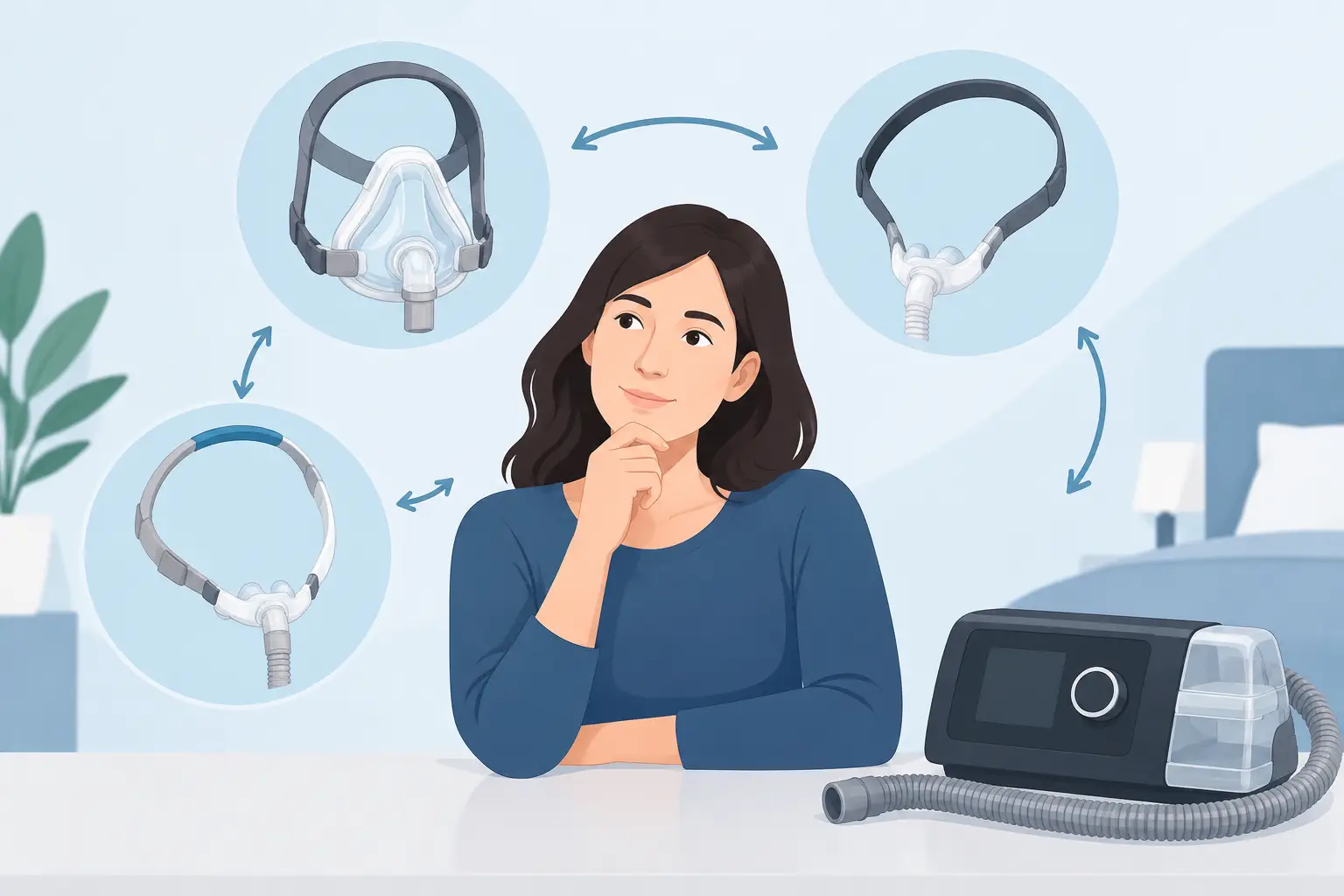
A new mask can be one of the fastest ways to make CPAP therapy feel more comfortable. But are CPAP masks interchangeable when you switch machines, try another brand, or simply need a replacement cushion? Often, yes – but not every part of every mask can be mixed and matched. Knowing the difference can help you avoid leaks, wasted purchases, and another restless night.
Are CPAP Masks Interchangeable With Any Machine?
In most cases, a complete CPAP mask can work with a CPAP, APAP, or bilevel machine from another manufacturer. The reason is simple: most modern sleep therapy systems use a standard 22 mm connection between the mask tubing and the machine tubing. A ResMed mask, for example, will generally connect to standard tubing used with many other PAP machines.
That said, “generally” matters. Some travel CPAP devices, compact tubing systems, and specialty masks use proprietary connectors or adapters. The machine may be compatible with the mask, but its included tubing may not be. Before ordering, check the connection type for your machine, mask, and tubing rather than relying on the brand name alone.
Compatibility is only the first consideration. A mask that physically connects to your machine still needs to fit your face, provide a stable seal, and allow you to breathe comfortably at your prescribed pressure. The best mask is not simply one that attaches – it is one you can wear consistently enough to breathe better and sleep deeper.
What You Can and Cannot Swap
A complete mask assembly usually includes the frame, cushion or nasal pillows, headgear, elbow, and sometimes a short tube. These components are designed to work together as a system.
The most interchangeable piece is often the complete mask. If its connection fits your tubing, you can typically use it with a different compatible PAP machine without changing your prescription pressure. Your machine delivers the prescribed therapy pressure through the tubing and mask, regardless of which approved mask style you wear.
Replacement components are more specific. Cushions, nasal pillows, frames, and headgear are usually designed for a particular mask family. A cushion from one full-face mask rarely fits the frame of another full-face mask, even when both are made by the same manufacturer. Small design differences in clips, vents, and cushion shape can affect the seal and safety of the mask.
There are exceptions within some product lines. A manufacturer may make several cushion sizes that fit one frame size, or may use the same headgear across related models. Product naming can be confusing, so it is wise to match the exact mask model before purchasing replacement parts. If you are unsure, look for the model name printed on the frame or packaging.
Why Mask Compatibility Is More Than a Connection
CPAP masks are engineered with intentional venting. The small vent holes on the mask release exhaled carbon dioxide while the machine delivers fresh pressurized air. Using a mismatched elbow, cushion, or frame could interfere with that venting or create leaks that make therapy less effective and less comfortable.
Leak management matters for another reason: excessive leaks can wake you, dry out your mouth or nose, irritate your eyes, and make your machine work harder to maintain pressure. A different mask may be entirely compatible with your machine but still be a poor match for your sleeping position, facial structure, or pressure needs.
If your machine includes a mask-type setting or fit-check feature, review it when you change mask styles. Follow the machine and mask instructions for setup. This helps the device recognize expected leak characteristics and can give you a clearer picture of whether your seal is working well.
Choosing a Mask Style That Fits Your Routine
When switching masks, focus less on whether one brand matches another and more on what happens during your actual night of sleep. Your breathing habits, comfort preferences, and pressure requirements all play a role.
A nasal mask covers the nose and can be a comfortable middle ground for many people. It is often a good choice for people who breathe through their nose and want a secure seal without a full-face design. Nasal pillows sit at the nostrils and use minimal facial contact, which can be appealing for side sleepers or people who dislike a bulkier mask.
A full-face mask covers both the nose and mouth. It is often a practical option if you regularly breathe through your mouth, experience nasal congestion, or notice dry mouth with a nasal mask. Full-face designs may feel larger at first, but the right fit can make a meaningful difference in comfort and confidence.
Your preferred sleep position matters, too. Side sleepers may do well with a low-profile mask that keeps the connection away from the pillow. Active sleepers may prefer a frame and headgear design that stays secure as they move. If you wear glasses, read in bed, or have facial hair, consider how the mask’s contact points could affect the seal.
A Better Way to Switch CPAP Masks
Start by identifying what is not working with your current setup. If you are waking with air blowing into your eyes, you may need a different cushion size or a mask with a more stable frame. If you feel claustrophobic, a nasal pillows mask may offer less facial coverage. If you wake with dry mouth, it may be time to discuss mouth breathing, humidification, or a full-face option with your sleep care provider.
Do not overtighten your headgear to solve a leak. Many modern cushions are designed to inflate slightly against the face. Tightening the straps too much can flatten the cushion, create pressure marks, and sometimes make leaks worse. Adjust the mask while lying down with your therapy running, since facial position changes when you settle into bed.
Give a new mask several nights before deciding it is not right for you, unless it causes significant discomfort, skin injury, breathing difficulty, or persistent large leaks. Minor adjustments in strap tension, humidity, or cushion size can make a noticeable difference. Regular cleaning also helps maintain a dependable seal by removing facial oils from the cushion.
When to Ask for Support
A mask change does not usually require a new pressure prescription, but it can be helpful to review your therapy data after switching. If you continue to feel tired, notice frequent awakenings, or see ongoing leak alerts, contact your sleep care team. They can help determine whether the issue is mask fit, pressure comfort, congestion, or another part of your treatment plan.
You may also need an active prescription to purchase certain CPAP supplies, depending on the supplier and item. If yours has expired, virtual prescription renewal and ongoing equipment support can make it easier to stay on track without interrupting therapy.
A compatible mask is a useful starting point, but a comfortable, well-sealed mask is what supports restorative treatment night after night. Take the time to confirm the connection, match replacement parts carefully, and choose a style that helps you look forward to a more rejuvenating night’s sleep.