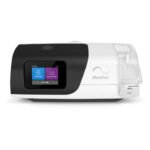
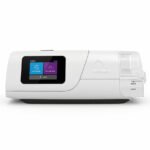
 Featured Machines
 Travel CPAPs
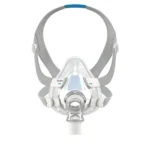
 Most Popular Masks
 Tubes and Hoses
 Humidifier Chambers
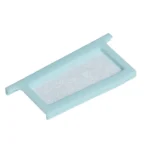 Machine Filters
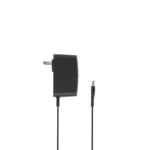 Power Cords
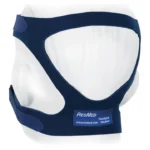 Headgear
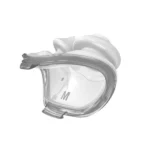 Nasal Pillows
 Cushions and Seals



When to Replace Your CPAP Mask Cushion at Home

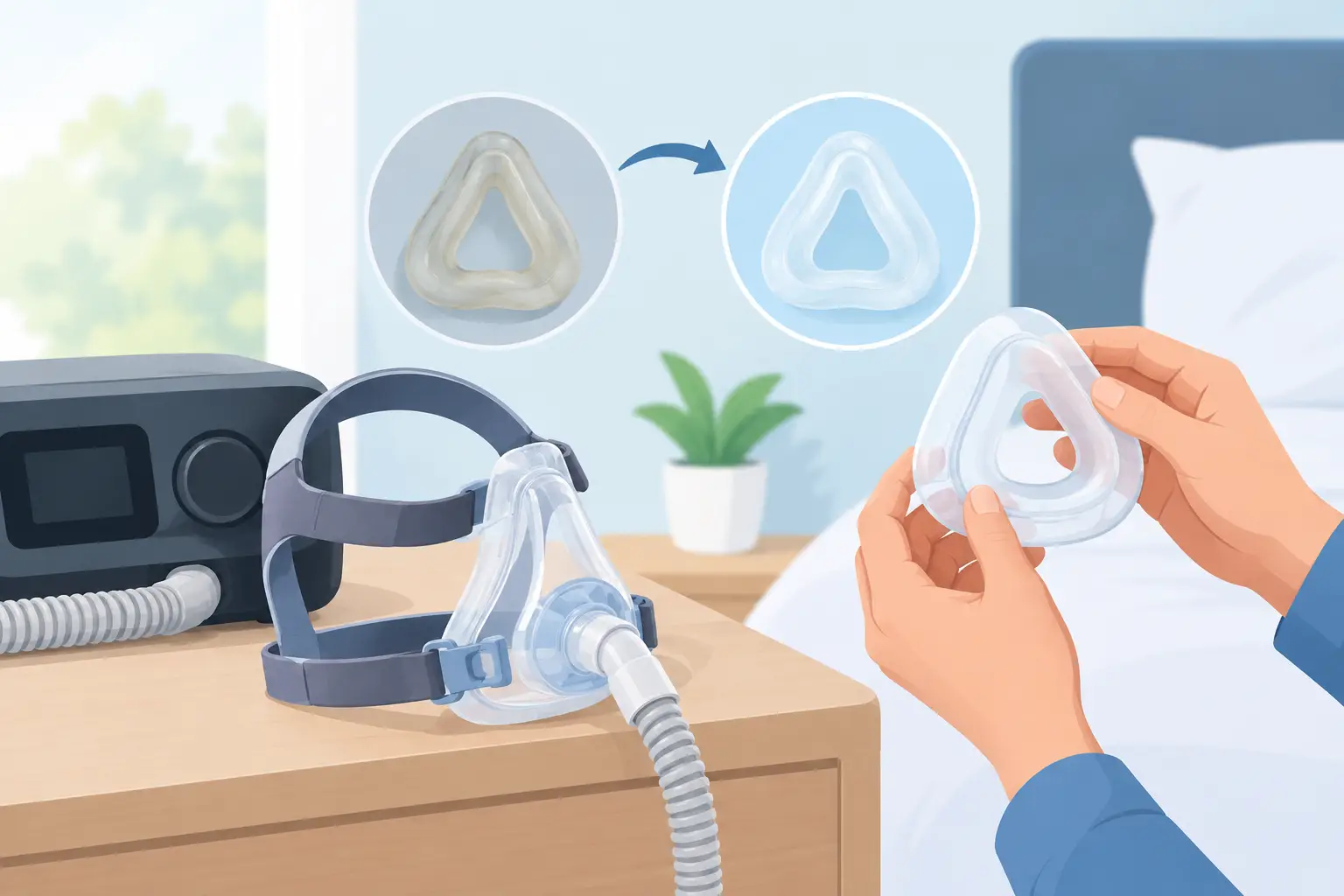
A CPAP mask can look perfectly fine and still be the reason you are waking up with dry eyes, a noisy leak, or pressure marks on your face. Knowing when to replace CPAP mask cushion components can restore the comfortable seal your therapy depends on – often without changing your entire mask.
The cushion is the soft silicone or gel piece that rests against your skin and creates the seal between your mask and your airway. It does a great deal of work every night. Over time, facial oils, routine washing, heat, and normal wear can make it less flexible. When that happens, turning up your machine pressure or tightening your headgear is rarely the best fix. A fresh cushion may be what helps you breathe better and sleep deeper again.
How Often Should You Replace a CPAP Mask Cushion?
There is no single replacement schedule that fits every CPAP user. Many people find that a mask cushion lasts about one to three months, while nasal pillows may need attention sooner because their smaller silicone surfaces are under consistent pressure. Your individual timeline depends on your mask style, cleaning routine, skin oils, room temperature, and how often you use your CPAP.
If you use therapy every night, inspect the cushion weekly and think of replacement as regular therapy maintenance, not a sign that you have done anything wrong. Some users get a reliable seal for several months; others notice a decline much earlier. Comfort and performance should guide the decision more than the calendar alone.
Insurance plans may also have their own replacement allowances for cushions and other CPAP supplies. These schedules can make ongoing therapy costs easier to manage, but an allowance is not a guarantee that your cushion needs replacement on that exact date. If you are unsure about coverage, verification can help you plan ahead without interrupting your supply routine.
Signs It Is Time to Replace CPAP Mask Cushion Parts
A worn cushion does not always tear or visibly break. Often, the first clues show up in how you feel overnight and the next morning. Pay attention if a mask that used to fit well suddenly becomes harder to manage.
You may need a new cushion when it feels tacky, stiff, flattened, cloudy, discolored, or difficult to clean. Silicone should feel soft and flexible. When it loses that gentle elasticity, it may not adapt to the contours of your face as well as it once did.
Leaks are another common signal. A small amount of leak can occur with many masks, especially when you shift positions, but repeated hissing, air blowing toward your eyes, or a leak alert from your device deserves attention. If you have cleaned and reseated the cushion and the leak continues, replacement is a sensible next step.
Watch for changes in your sleep quality, too. Waking frequently to adjust the mask, feeling less rested, noticing a dry mouth with a full-face mask, or seeing an increase in leak data may point to a seal problem. Those symptoms can have other causes, including a stretched headgear strap, a changed sleeping position, or a mask that no longer fits your needs. Still, the cushion is the simplest component to check first.
Skin irritation can also be a clue. A cushion that requires excessive tightening may leave red marks, soreness, or tenderness. Do not assume tighter is better. Most CPAP cushions are designed to inflate slightly with airflow and seal gently against the skin. Overtightening can distort the cushion and make leaks worse.
Why a Fresh Cushion Can Improve Therapy Comfort
CPAP therapy works best when the mask seal is stable enough to deliver the prescribed pressure comfortably. A worn cushion can create a frustrating cycle: it leaks, you tighten the straps, the mask becomes uncomfortable, and you may still hear or feel more leaking.
Replacing only the cushion can be a practical, affordable way to refresh your setup. You keep the familiar mask frame and headgear you already know, while renewing the part that touches your face and handles the seal. For many experienced users, this is one of the easiest ways to protect a rejuvenating night’s sleep.
That said, a new cushion will not solve every mask issue. If the frame is cracked, the elbow is damaged, the headgear has lost its stretch, or you have consistently struggled with the mask style itself, it may be time to replace additional parts or consider another mask design. Nasal masks, nasal pillow masks, and full-face masks each have different strengths, depending on how you breathe and sleep.
How to Change Your CPAP Cushion
Before changing your cushion, wash and dry your hands. Disconnect the mask from the CPAP tubing, then remove the existing cushion according to the instructions for your specific model. Most cushions detach from the mask frame with a gentle pull or release mechanism, but avoid forcing any piece into place.
Inspect the frame for dust, residue, cracks, or worn clips before attaching the new cushion. Align the replacement carefully and press it into place until it sits evenly all the way around. An uneven fit can cause a leak that feels like a faulty cushion, even when the part is brand new.
Put on the mask while you are sitting up, then start your CPAP machine and make small adjustments. The goal is a light, secure fit, not maximum strap tension. Lie in your usual sleep position and check for air around your nose, mouth, or eyes. If you notice a leak, lift the cushion gently away from your face for a moment and let it settle back into place with airflow running. This simple reset often helps the cushion form a better seal.
Keep Your Cushion Working Longer
A consistent cleaning routine helps preserve comfort, although it cannot stop normal material wear. Each morning, wipe or wash the cushion using warm water and mild soap, then allow it to air-dry away from direct sunlight. This removes facial oils that can weaken the seal and helps keep the surface comfortable against your skin.
Avoid harsh cleaners, bleach, alcohol, moisturizers, and strongly scented products unless your mask manufacturer specifically approves them. These can damage silicone or leave residue that affects the fit. It also helps to wash your face before bed, particularly if you use skincare products, beard oil, or makeup that may transfer to the cushion.
Store spare cushions in a clean, dry place. Having one ready is reassuring when your current cushion starts leaking unexpectedly. It can also prevent a small supply issue from becoming a missed night of therapy.
Make Sure You Order the Right Replacement
CPAP mask cushions are not universally interchangeable. Even cushions from the same manufacturer may fit only certain mask frames, and sizes matter. Before ordering, check the name of your mask model and the cushion size printed on the existing part or listed in your mask materials.
Do not choose a size based only on what seems familiar. A small difference in shape can affect the seal. If your current size has always felt comfortable and controlled leaks well, replacing it with the same size is usually the best starting point. If you have ongoing pressure marks, persistent leaks, or discomfort even with a new cushion, a different size or mask style may be worth discussing with a qualified sleep professional.
For people who need help maintaining treatment, Sleep Restoration Center can support the broader at-home path, from prescription renewal and insurance verification to finding compatible replacement supplies. The goal is not to make CPAP more complicated. It is to help keep each part of your routine comfortable enough to use night after night.
A replacement cushion is a small piece of equipment, but it can make a meaningful difference in how confidently you settle in at bedtime. If your mask has become noisy, slippery, tight, or uncomfortable, give the cushion a close look. A fresher seal may be the simple reset that helps your therapy feel like a natural part of a deeper, more restorative night of sleep.