 Featured Machines
 Travel CPAPs
 Most Popular Masks
 Tubes and Hoses
 Humidifier Chambers
 Machine Filters
 Power Cords
 Headgear
 Nasal Pillows
 Cushions and Seals



Can CPAP Cause Congestion? Causes and Fixes

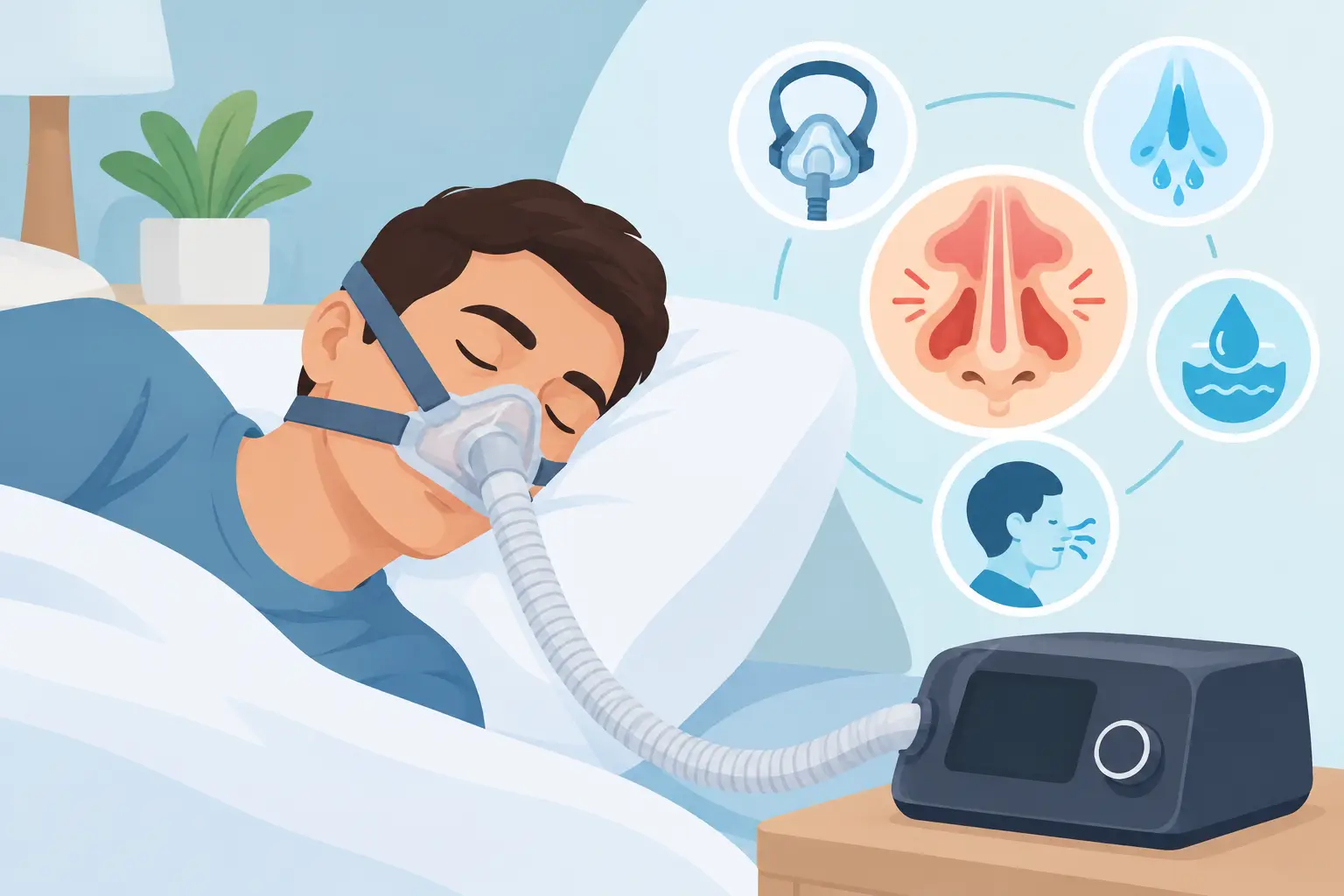
A clear nose at bedtime can feel completely blocked after a few hours on CPAP. It is frustrating, especially when you are doing the right thing for your sleep apnea and trying to settle into a more restorative routine. So, can CPAP cause congestion? It can contribute to nasal stuffiness in some people, but the machine itself is not usually the underlying problem.
Most often, congestion comes from dry or cool airflow, a humidity setting that does not suit your needs, mask leaks, allergies, or irritation from equipment that needs cleaning. The good news is that these issues are usually manageable. A few thoughtful adjustments can make it easier to breathe better, sleep deeper, and stay consistent with therapy.
Can CPAP Cause Congestion or Make It Worse?
CPAP delivers pressurized air to keep your airway open. That airflow can dry or irritate the nasal passages, particularly when you are new to treatment, sleep in a dry room, use a nasal or nasal pillow mask, or have a history of allergies or chronic congestion.
When the lining of the nose becomes dry, it may respond by producing extra mucus and swelling. The result can be a stuffy, runny, or irritated nose that seems counterintuitive: more airflow, yet less comfortable breathing. CPAP does not cause a cold or sinus infection, but it can make existing nasal sensitivity more noticeable.
Congestion may also be a sign that a separate issue needs attention. Seasonal allergies, a deviated septum, enlarged turbinates, sinus disease, medication side effects, and respiratory infections can all affect how comfortable CPAP feels. If nasal blockage was present before therapy, CPAP may simply bring it to the surface because you are now relying on your nose more consistently at night.
The Most Common Reasons CPAP Feels Congesting
Dry air and humidity settings
Dryness is one of the most common culprits. Heated humidification adds moisture to CPAP air, helping reduce nasal dryness, sore throat, and congestion. Yet more humidity is not always better. If the setting is too low, your nose may feel dry and irritated. If it is too high for your room temperature, moisture can collect in the tubing or mask, creating “rainout” and an uncomfortable damp feeling.
Start by making small changes rather than moving immediately to the highest setting. Give each adjustment a few nights before deciding whether it helps. A heated tube can be useful if you experience rainout, because it helps keep the air warmer as it travels from the machine to the mask.
Mask leaks and mouth breathing
A leaking mask can direct air toward your eyes, nose, or cheeks, drying the surrounding skin and disrupting sleep. Leaks also make your machine work harder to maintain therapy pressure, which may leave you feeling less rested.
Mouth breathing can be another factor. If you use a nasal mask or nasal pillows and your mouth falls open during sleep, airflow may escape through your mouth. You may wake with a dry mouth, dry nose, or a sense that therapy is not working as comfortably as it should. Some people do well with a chin strap, while others benefit from discussing a full-face mask with their sleep care provider. The best option depends on your breathing pattern, pressure needs, and comfort.
Allergens, colds, and bedroom air
CPAP cannot filter out every issue in your environment. Pollen, pet dander, dust, smoke, and dry heated air can aggravate nasal tissues before you ever put on your mask. A cold or allergy flare can temporarily make nasal CPAP therapy harder to tolerate, even if your equipment is set up well.
Your CPAP filter matters here. A clean, properly fitted filter helps protect the machine and supports cleaner airflow. Replace or clean it according to the manufacturer’s instructions for your specific device, and check it more often during high-allergen seasons or if you have pets.
Cleaning habits and worn supplies
A humidifier chamber, tubing, or mask that is not cleaned regularly can develop residue and odors that make therapy feel less fresh and comfortable. This does not mean every episode of congestion is caused by equipment contamination, but consistent care is part of a comfortable, hygienic setup.
Empty the humidifier chamber each morning and allow it to air-dry. Clean the chamber, mask cushion, and tubing on the recommended schedule using mild soap and warm water, then rinse thoroughly and let the pieces dry away from direct sunlight. Use distilled water in the humidifier chamber when your machine manufacturer recommends it. It helps limit mineral buildup and makes routine cleaning easier.
Masks and cushions also wear down. As silicone becomes less flexible, leaks can increase. A cushion that once felt gentle may begin to shift or require overtightening, which can create more irritation rather than a better seal. Replacing supplies on schedule is not just about convenience. It can protect the comfort that makes long-term therapy possible.
How to Relieve CPAP-Related Nasal Congestion
If congestion began after starting CPAP, begin with the simplest adjustments. Confirm that the humidifier is filled, then increase or decrease the humidity one level at a time based on how your nose feels in the morning. If you wake with water in the tubing or mask, reduce humidity slightly, warm the tubing if your setup allows, or keep the CPAP machine lower than the bed so condensation is less likely to travel toward you.
A saline nasal spray or rinse before bed may soothe dry nasal passages and clear allergens. Choose a plain saline product rather than relying on medicated decongestant sprays night after night. Decongestant sprays can cause rebound congestion when used for too long. If you use any prescription nasal spray or have ongoing sinus concerns, ask your clinician for guidance on timing it around your CPAP routine.
Take a moment to reassess mask fit while lying in your usual sleep position with the machine running. Straps should be secure, not painfully tight. Tightening a leaking mask too much can distort the cushion and worsen the leak. If you have changed weight, grown facial hair, switched sleep positions, or have had the same mask cushion for months, a refit may make a meaningful difference.
For a temporary cold or allergy flare, it may help to keep your bedroom air clean, wash bedding regularly, and avoid sleeping with open windows when pollen levels are high. Continue CPAP if you can do so comfortably, since untreated sleep apnea does not take a night off when you are congested. But comfort and safety matter. If you cannot breathe adequately through your mask, contact your sleep care team for individualized advice.
When Congestion Needs Medical Attention
Reach out to a clinician if congestion lasts more than a couple of weeks despite CPAP adjustments, repeatedly prevents you from using therapy, or comes with fever, facial pain, thick discolored drainage, frequent nosebleeds, or significant sinus pressure. These symptoms may point to an infection, allergy condition, or structural nasal issue that needs treatment beyond changing a humidifier setting.
Seek urgent care for severe trouble breathing, swelling of the face or throat, chest pain, or any symptoms that feel sudden or alarming. CPAP is a highly effective treatment for obstructive sleep apnea, but it should never replace medical evaluation when something feels wrong.
Make Comfort Part of Your CPAP Routine
CPAP success is not about forcing yourself through discomfort. It is about building a routine that supports consistent therapy and a rejuvenating night’s sleep. Keep a brief note for a week about humidity settings, leak alerts, nasal symptoms, and whether you wake with a dry mouth. That small record can reveal patterns quickly and give your provider useful information if you need support.
A comfortable mask, clean supplies, the right moisture level, and a little patience can change the experience dramatically. If congestion is keeping you from using CPAP, treat it as a solvable comfort issue, not a reason to give up on the deeper, steadier sleep your therapy is designed to support.