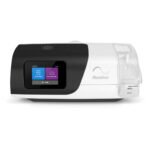
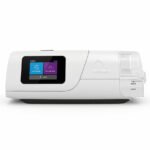
 Featured Machines
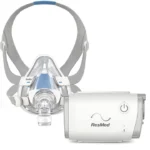 Travel CPAPs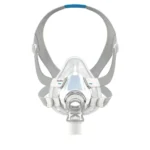
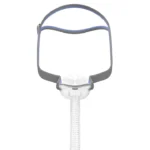 Most Popular Masks
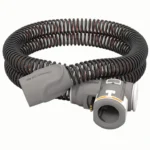 Tubes and Hoses
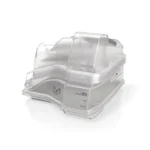 Humidifier Chambers
 Machine Filters
 Power Cords
 Headgear
 Nasal Pillows
 Cushions and Seals


Signs You Might Have Sleep Apnea—and What to Do Next?

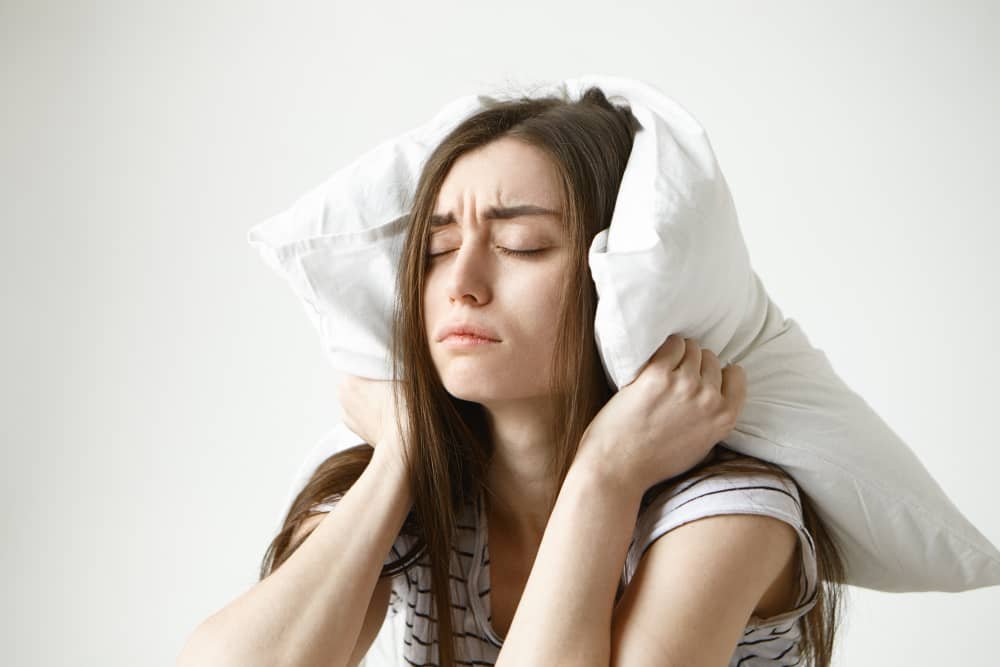
If you snore loudly, wake up feeling tired, or struggle to stay awake during the day, you might be showing signs of sleep apnea. Here’s how to recognize the symptoms—and what steps to take next.
What Is Sleep Apnea?
Sleep apnea is a common but serious sleep disorder where breathing repeatedly stops and starts during sleep. The most prevalent form, Obstructive Sleep Apnea (OSA), occurs when throat muscles relax and block airflow. Central Sleep Apnea (CSA) is less common and results from the brain failing to signal the muscles to breathe.
Common Signs You Might Have Sleep Apnea
Sleep apnea symptoms can vary, but here are the most frequent warning signs:
- Loud, persistent snoring – Often the first clue, especially if it’s disruptive to others
- Gasping or choking during sleep – You may wake up suddenly feeling short of breath
- Daytime fatigue or sleepiness – Even after a full night’s sleep, you feel exhausted
- Morning headaches – Caused by low oxygen levels during the night
- Difficulty concentrating – Brain fog and memory issues are common
- Mood changes – Depression, irritability, or anxiety may be linked to poor sleep quality
- Dry mouth or sore throat upon waking – A result of breathing through your mouth at night
Some people may not realize they have sleep apnea until a partner notices their breathing pauses or snoring patterns.
What to Do Next
If you suspect sleep apnea, here’s what you should do:
1. Schedule a Sleep Consultation
Start with a virtual appointment with a sleep specialist. At Affordable Sleep Solutions, you can book an online consultation and discuss your symptoms from home.
2. Take a Home Sleep Test
Skip the overnight lab stay. Our medical-grade home sleep test kit is shipped directly to you, allowing you to monitor your sleep in your own bed.
3. Get a Diagnosis and Treatment Plan
Once your results are reviewed by a board-certified sleep doctor, you’ll receive a personalized treatment plan. This may include CPAP therapy, lifestyle changes, or further evaluation.
4. Begin Therapy and Follow-Up
If CPAP is recommended, we’ll help you choose the right machine and mask. Ongoing support ensures your therapy is comfortable and effective.
Why Early Action Matters
Untreated sleep apnea can lead to serious health issues, including high blood pressure, heart disease, diabetes, and stroke. It also affects your energy, mood, and overall quality of life. The good news? Sleep apnea is treatable—and the sooner you act, the better you’ll feel.
Ready to take the first step?
Book your virtual sleep consultation today and start your journey toward better sleep and better health.