 Featured Machines
 Travel CPAPs
 Most Popular Masks
 Tubes and Hoses
 Humidifier Chambers
 Machine Filters
 Power Cords
 Headgear
 Nasal Pillows
 Cushions and Seals


Does CPAP Require a Prescription? Yes, Here’s Why

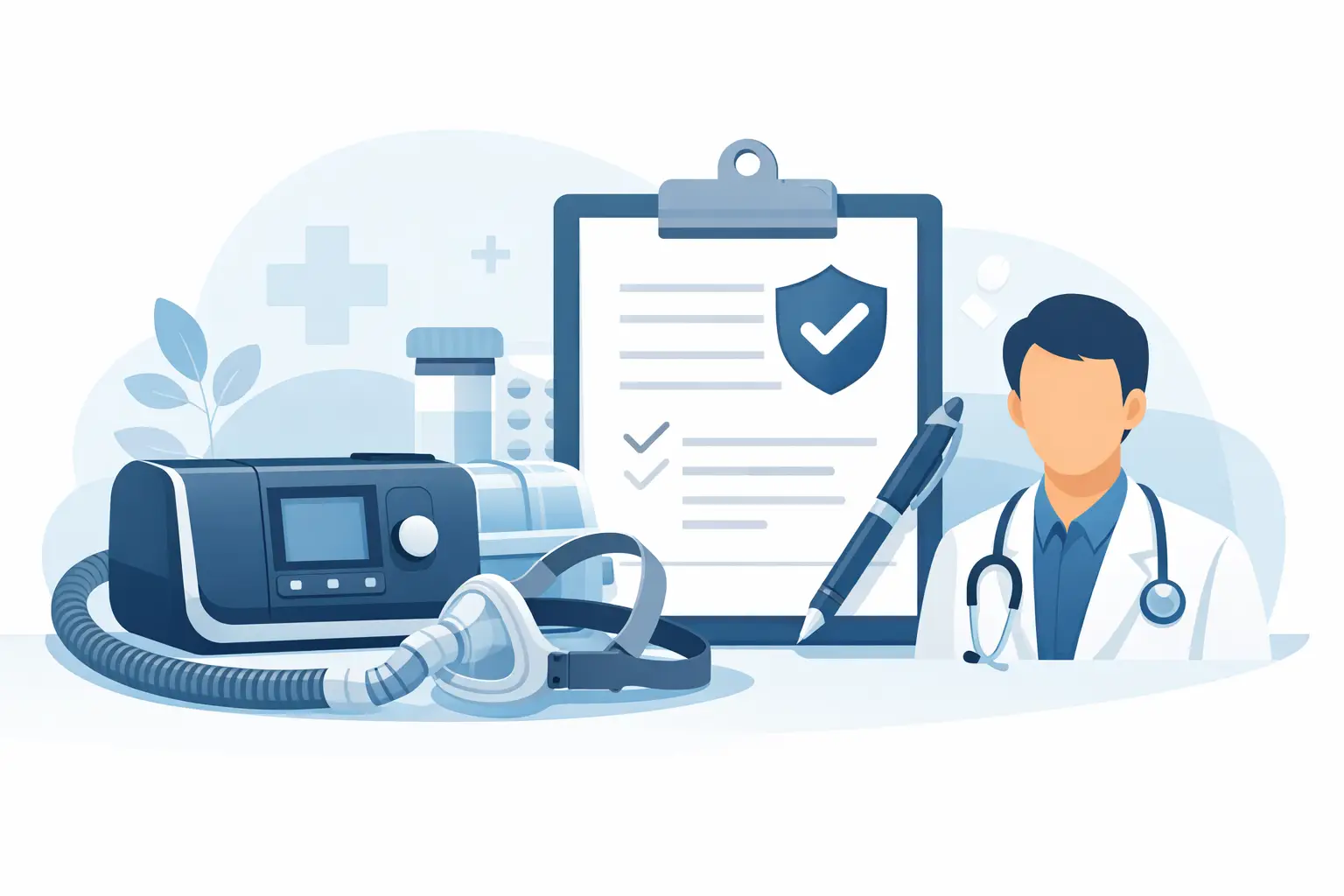
A CPAP machine may look straightforward – a compact device, a hose, and a mask – but it delivers treatment based on your individual breathing needs. So, does CPAP require prescription approval in the United States? Yes. A valid prescription is required to purchase a CPAP, APAP, BiPAP, or travel CPAP machine from a legitimate provider.
That requirement is not meant to make treatment harder to access. It helps ensure your pressure settings and equipment are appropriate for obstructive sleep apnea, so you can breathe better, sleep deeper, and begin building a comfortable routine at home.
Why CPAP machines require a prescription
CPAP devices are regulated medical devices in the US. They use pressurized air to hold your airway open during sleep, reducing breathing interruptions caused by obstructive sleep apnea. The amount of pressure, the way it is delivered, and the equipment you need can vary widely from one person to the next.
For some people, a fixed-pressure CPAP is effective. Others do better with an auto-adjusting CPAP, often called APAP, which responds to breathing changes throughout the night. Bilevel therapy, commonly called BiPAP, uses separate pressures for inhaling and exhaling and may be recommended in more specific situations. Because these therapies affect your breathing, they require clinical direction and a prescription.
A prescription also confirms that sleep apnea treatment is appropriate. Snoring, waking up gasping, morning headaches, and daytime exhaustion can point to sleep apnea, but they can have other causes too. A home sleep apnea test or clinician-directed evaluation helps move you from concern to a treatment plan based on real information.
What a CPAP prescription usually includes
A CPAP prescription is more than permission to purchase a machine. It gives the equipment provider the details needed to dispense therapy correctly. Depending on your care plan, it may include your diagnosis, the type of device recommended, pressure settings or a pressure range, and instructions for related equipment.
For an APAP machine, for example, the prescription may authorize a pressure range rather than one fixed number. For a bilevel device, it may specify separate inhale and exhale settings. It can also identify whether heated humidification is recommended, which can make therapy feel more comfortable if you experience dry mouth, nasal dryness, or congestion.
Your prescription may be written for a length of need, often described as long-term or lifetime use. That does not mean you should never check in with a clinician again. Weight changes, new symptoms, persistent discomfort, or changes in your health can all be reasons to review your treatment.
A prescription is not the same as a sleep study
A sleep study and a prescription serve different purposes. A home sleep apnea test or lab study provides information about your breathing during sleep. A licensed clinician reviews those results, evaluates your situation, and can issue a prescription when CPAP therapy is appropriate.
If you already have a diagnosis but your prescription is expired, unavailable, or no longer accepted by a supplier, you may not need to repeat every step from the beginning. In many cases, a virtual consultation and prescription renewal evaluation can help you continue established treatment, depending on your medical history and provider assessment.
Do you need a prescription to replace your CPAP machine?
Yes. Even if you have used CPAP successfully for years, you generally need a current prescription to purchase a replacement machine. This applies whether you are replacing an older bedside device, switching to an auto-adjusting model, or buying a travel CPAP for nights away from home.
The reason is simple: a replacement machine still delivers prescription therapy. Your needs may be stable, but the seller must have documentation authorizing the device and settings. Keep a copy of your prescription in a secure place, along with your sleep study results if available. These records can make future replacements, insurance questions, and travel planning easier.
If your current machine is malfunctioning, noisy, showing a motor warning, or no longer meeting your needs, do not wait until you are without therapy to look for a replacement. Starting the prescription review process early can help avoid unnecessary interruptions to your sleep routine.
Do CPAP masks and supplies require a prescription?
The answer depends on the item. Complete CPAP masks are generally treated as prescription accessories, and many suppliers will require a valid prescription before dispensing one. Tubing, humidifier chambers, filters, headgear, cushions, and nasal pillows are often replacement components that can be purchased without a prescription, though policies can vary by supplier and insurance plan.
This distinction matters when you are trying a new mask style. Moving from a nasal mask to a full-face mask, for example, may involve purchasing a complete mask system. If you need a new cushion for a mask you already use, that replacement component may be easier to obtain.
Even when a prescription is not required for a replacement item, choosing compatible supplies is essential. Masks, cushions, tubing, chambers, and filters are not universally interchangeable across every machine and mask line. The right fit protects comfort, reduces leaks, and supports consistent therapy.
How to get a CPAP prescription without unnecessary delays
You do not necessarily need repeated in-person visits to start or maintain CPAP therapy. For many adults, an at-home pathway is available: complete a sleep assessment, take a home sleep apnea test if clinically appropriate, meet virtually with a licensed provider, and receive a prescription if treatment is recommended.
If you have an existing diagnosis, the process may be even more direct. Gather your previous sleep study, prescription, machine settings, and insurance information before your consultation. A provider can review what you have been using, how you feel during the day, whether you are having issues with leaks or pressure tolerance, and whether your therapy should remain the same or be adjusted.
Sleep Restoration Center brings these steps into one home-based experience, with virtual care options, prescription support, insurance verification, and premium CPAP equipment designed for comfortable nightly use. Your health information should be handled privately and securely throughout the process.
When a new evaluation may be the better choice
Prescription renewal is helpful for established users, but it is not always the right answer. A new evaluation may be more appropriate if you have never been tested, your symptoms have changed substantially, you have had major weight changes, or your current therapy no longer feels effective.
Talk with a qualified clinician promptly if you have chest pain, severe shortness of breath, concerning heart symptoms, or extreme daytime sleepiness that makes driving unsafe. CPAP is highly effective for many people with obstructive sleep apnea, but treatment should fit your full health picture.
What about buying a CPAP machine without a prescription?
You may see used CPAP machines sold through resale sites or informal marketplaces without prescription verification. That does not make them a good substitute for properly prescribed therapy. A used device may have unknown hours, damaged internal parts, missing data, sanitation concerns, or settings that do not match your needs. It may also be difficult to use insurance benefits or get manufacturer support.
Be cautious about products marketed as “CPAP alternatives,” too. Some may be legitimate options for certain people, such as oral appliances prescribed by a qualified professional, positional therapy, or other clinician-recommended treatments. But no over-the-counter product should be assumed to replace CPAP for diagnosed moderate or severe obstructive sleep apnea without medical guidance.
A valid prescription creates a safer, clearer path to treatment. Once your therapy is properly matched to you, the goal becomes refreshingly practical: find a mask that feels comfortable, keep your supplies in good condition, use your machine consistently, and give yourself the chance to wake up restored after a rejuvenating night’s sleep.