 Featured Machines
 Travel CPAPs
 Most Popular Masks
 Tubes and Hoses
 Humidifier Chambers
 Machine Filters
 Power Cords
 Headgear
 Nasal Pillows
 Cushions and Seals


What a Virtual Sleep Apnea Consultation Covers

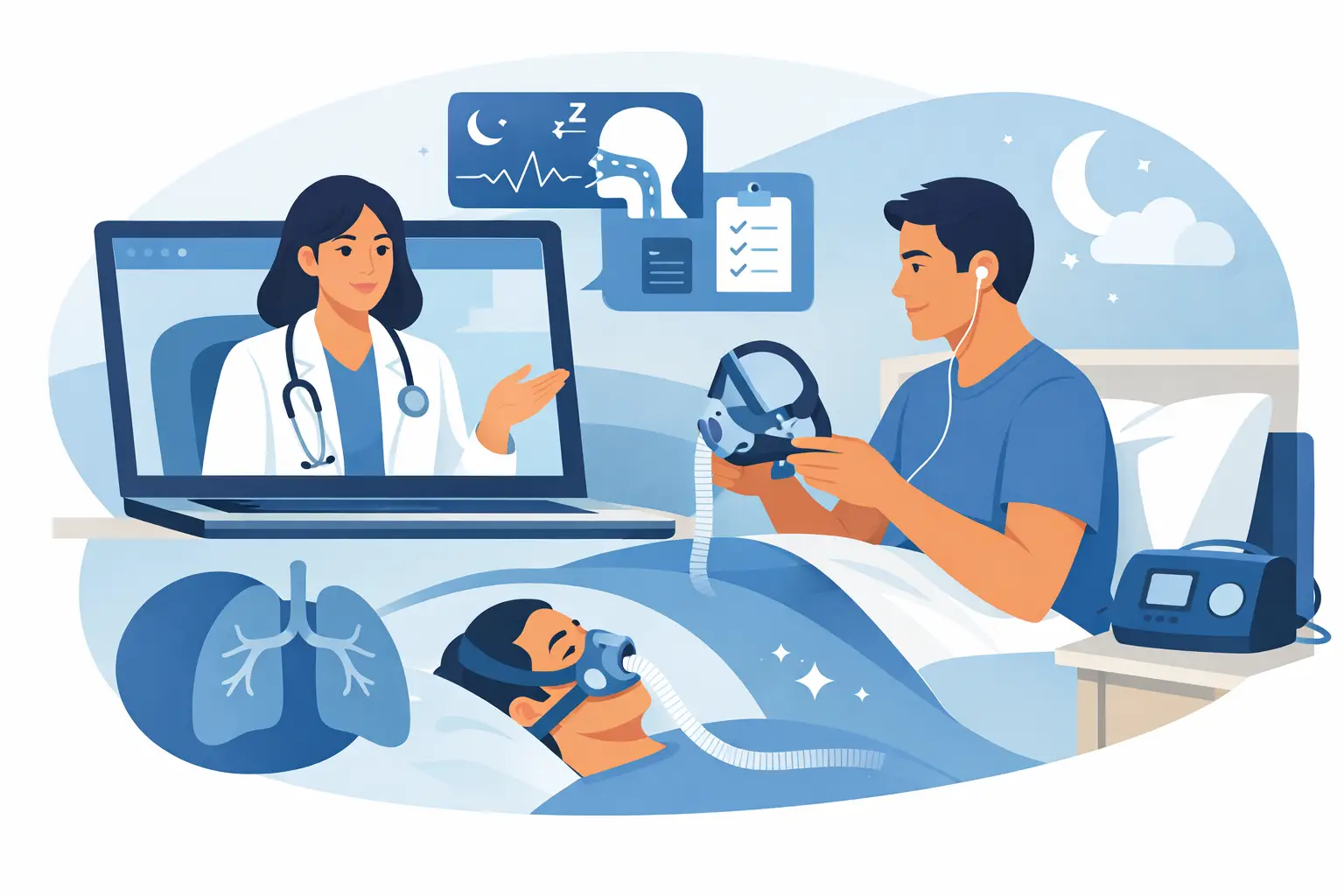
Waking up tired after what should have been a full night of sleep can change the way your whole day feels. If loud snoring, gasping, morning headaches, or persistent daytime fatigue have become familiar, a virtual sleep apnea consultation can be a practical first step toward answers without adding another trip to a medical office.
For many adults, the concern is not simply snoring. It is the sense that sleep is no longer restorative, the worry of a partner who notices breathing pauses, or the struggle to stay alert during work, driving, or family time. A remote consultation gives you a private, convenient way to discuss those concerns with a qualified provider and understand what may come next.
What Happens During a Virtual Sleep Apnea Consultation
A virtual appointment is a real clinical conversation, held by secure video or another approved telehealth method rather than in an exam room. The provider will ask focused questions about your sleep, symptoms, health history, medications, and lifestyle. You do not need to know the medical terminology ahead of time. Clear, honest details about what you experience at night and how you feel during the day are what matter.
Expect questions about snoring, witnessed breathing interruptions, choking or gasping during sleep, frequent awakenings, dry mouth, headaches, and daytime sleepiness. Your provider may also ask about high blood pressure, heart conditions, weight changes, diabetes, alcohol use, smoking, nasal congestion, and family history. These factors can help identify whether obstructive sleep apnea may be contributing to your symptoms.
The appointment is also a chance to discuss practical concerns that often keep people from seeking treatment. You can ask what home sleep testing involves, whether insurance may help cover testing or equipment, how prescriptions work, and what CPAP therapy may feel like. Good sleep apnea care should feel understandable, not intimidating.
Who Can Benefit From a Remote Sleep Consultation?
Virtual care can be especially helpful for adults whose symptoms suggest obstructive sleep apnea and for established PAP users who need ongoing support. It may be a fitting option if you have been putting off an evaluation because of a busy schedule, limited local access, travel, mobility concerns, or a preference for discussing health matters from home.
It can also support people who already have a diagnosis. CPAP prescriptions commonly need renewal before a new machine can be purchased, and therapy needs can change over time. A virtual visit may help address replacement equipment, a prescription renewal, trouble tolerating a mask, or questions about whether your current setup is still serving you well.
Remote care is not right for every sleep concern. Some people need an in-lab sleep study, an in-person examination, or care from a specialist because of complex medical conditions, possible central sleep apnea, severe insomnia, certain lung or heart conditions, or unclear test results. A responsible provider will explain when a home-based pathway is appropriate and when more evaluation is needed.
From Symptoms to a Home Sleep Test
When obstructive sleep apnea is suspected, the next step may be a home sleep apnea test. This compact test is designed to collect information while you sleep in your own bed. Depending on the device, it may measure breathing patterns, oxygen levels, airflow, and effort to breathe.
Home testing is appealing because it fits more naturally into everyday life. There is no overnight stay in a sleep lab and no need to sleep in an unfamiliar room with extensive monitoring equipment. You typically receive instructions for using the device, wear the sensors before bed, and return or submit the test as directed.
That convenience comes with a trade-off. Home tests are generally intended for evaluating suspected obstructive sleep apnea in appropriate adults, not for diagnosing every possible sleep disorder. A negative or inconclusive result does not always mean nothing is wrong. If symptoms remain strong, a provider may recommend additional testing rather than dismissing your concerns.
Understanding Your Results and Treatment Path
After your test is reviewed, the provider can discuss what the findings mean in plain language. If obstructive sleep apnea is diagnosed, treatment recommendations depend on severity, symptoms, medical history, and personal needs. For many people, positive airway pressure therapy, commonly called CPAP, is a highly effective treatment option.
CPAP therapy uses gentle air pressure to help keep the airway open during sleep. Modern options can make the routine more comfortable than many people expect. Auto-adjusting machines can respond to changing pressure needs through the night, while heated humidification can help reduce dryness. Mask selection matters just as much: some people prefer a full-face mask, while others sleep more comfortably with a nasal mask or nasal pillows.
The first setup does not have to be perfect. It often takes a little adjustment to find the right mask fit, humidity setting, and nightly routine. Leaks, pressure discomfort, dry mouth, or skin irritation are common issues to raise early. Small changes, such as a different cushion size, headgear adjustment, heated tubing, or a different mask style, can make a meaningful difference in comfort.
Preparing for Your Appointment
You do not need special equipment to make the most of a virtual visit, but a few notes can help you feel prepared. Think about when your symptoms began and whether they have changed. If a bed partner has noticed loud snoring, pauses in breathing, restless sleep, or gasping, write down what they have observed.
It is also helpful to have a list of medications, relevant diagnoses, and any previous sleep study or CPAP records available. Existing CPAP users should note their machine model, current mask style, and specific concerns. For example, you might share that you remove the mask after a few hours, wake with a dry throat, or still feel tired despite regular use.
Choose a quiet, private space with a reliable internet connection if video is being used. Have your insurance information ready if you plan to explore coverage. Most importantly, do not minimize your symptoms. Daytime fatigue and poor sleep are easy to normalize when they have been present for years, but they deserve attention.
Questions Worth Asking During a Virtual Visit
A consultation should leave you with a clear next step. Ask whether a home sleep apnea test is appropriate for you, when to expect results, and what happens if the test is inconclusive. If treatment is recommended, ask about prescription requirements, insurance verification, machine and mask options, and how to get help after your equipment arrives.
For current CPAP users, focus on the experience you are having night after night. Ask whether your prescription needs renewal, whether your symptoms suggest a therapy adjustment, and which replacement supplies may improve comfort and performance. Masks, cushions, filters, tubing, and humidifier chambers wear down over time. Replacing them on schedule can support a cleaner, more reliable therapy routine.
Sleep Restoration Center brings these steps together for eligible patients, from virtual consultations and home testing to prescription support, insurance verification, and premium PAP equipment. The goal is not to make sleep apnea treatment feel like another complicated task. It is to help make consistent therapy easier to manage from home.
When to Seek Urgent Care Instead
A sleep consultation is designed for planned evaluation and ongoing treatment, not emergencies. Seek urgent medical care for chest pain, severe shortness of breath, fainting, signs of stroke, or a sudden and serious change in breathing. If you are extremely sleepy, avoid driving or operating machinery until you can be evaluated.
A better night often begins with one honest conversation about what is happening after the lights go out. With the right evaluation, a comfortable treatment plan, and support when questions arise, breathing better and sleeping deeper can become a realistic part of your routine.