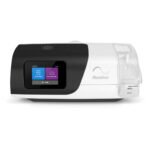
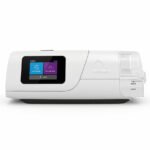
 Featured Machines
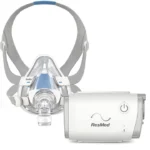 Travel CPAPs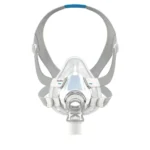
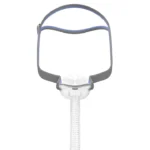 Most Popular Masks
 Tubes and Hoses
 Humidifier Chambers
 Machine Filters
 Power Cords
 Headgear
 Nasal Pillows
 Cushions and Seals


Does Insurance Cover CPAP Machines? What to Know


A new CPAP machine can feel like the turning point between another exhausted morning and a more rejuvenating night’s sleep. But before choosing a machine or mask, many people ask: does insurance cover CPAP machines? In many cases, yes. Coverage is common when CPAP therapy is medically necessary for diagnosed obstructive sleep apnea, but your out-of-pocket cost and the steps required can vary widely by plan.
The good news is that insurance does not have to be a barrier you figure out alone. Once you understand the usual requirements, you can move toward treatment with more confidence and less uncertainty.
Does insurance cover CPAP machines for sleep apnea?
Most private health insurance plans, Medicare, and many Medicaid programs may cover a CPAP machine under durable medical equipment, often called DME. CPAP therapy is a well-established treatment for obstructive sleep apnea, a condition that can interrupt breathing repeatedly during the night and contribute to daytime fatigue, high blood pressure, and other health concerns.
Coverage usually depends on medical documentation rather than simply reporting symptoms such as snoring or waking up tired. Insurers commonly require a sleep apnea diagnosis from a qualifying sleep study and a prescription from a licensed clinician. A home sleep apnea test may meet the requirement for many adults, though the exact rules depend on your insurer and medical situation.
Even when a plan covers therapy, it may not cover every machine, mask, or supplier in the same way. Your deductible, coinsurance, network rules, and plan year all affect what you pay.
What insurers usually require
Insurance plans tend to follow a similar path before paying for CPAP equipment. First, you need evidence of obstructive sleep apnea, typically from an in-lab sleep study or an approved home sleep test. Then, a clinician reviews the results and writes a prescription for CPAP or another form of PAP therapy, such as bilevel therapy when appropriate.
Your insurer may also require prior authorization. This is an approval process confirming that the prescribed equipment meets the plan’s medical-necessity criteria. It is not necessarily a sign that your request will be denied, but it can add time if paperwork is incomplete.
Finally, many plans require you to use an in-network DME supplier. Buying from an out-of-network provider may mean a higher cost or no reimbursement at all. Before placing an order, verify whether the supplier can bill your specific plan and whether the exact machine is covered.
Compliance can affect ongoing coverage
Some insurance plans, particularly Medicare-based coverage, use a trial period to confirm that CPAP therapy is helping and that you are using it consistently. In many cases, this means showing that you used the machine for at least four hours per night on 70% of nights over a consecutive 30-day period during an initial review window.
Modern CPAP machines can record usage information, making compliance documentation easier. The goal is not to make treatment difficult. It is to confirm that the therapy is being used and supporting healthier sleep. If comfort problems make it hard to wear your mask, address them early. A different mask style, humidity setting, or pressure adjustment can make a meaningful difference.
How much will a covered CPAP machine cost?
A covered machine is not always a free machine. Your share may include a deductible, copay, or coinsurance. If you have not met your annual deductible, you may be responsible for a larger portion of the allowable cost. Once the deductible is met, your plan may pay a greater share.
Many insurers rent the CPAP machine first instead of purchasing it outright. Under a rental arrangement, the insurer makes monthly payments over a set period, commonly 10 to 13 months. After you meet the rental terms and any usage requirements, you may own the device. Other plans allow a direct purchase from the start.
This distinction matters when comparing costs. A low monthly rental payment may still add up, while a cash purchase may be more predictable for someone with a high deductible, limited out-of-network benefits, or an immediate need for a replacement machine. There is no single best route. The right choice depends on your coverage, timing, and treatment needs.
What CPAP supplies may insurance cover?
CPAP therapy works best when the equipment remains clean, comfortable, and in good condition. For that reason, many plans cover replacement supplies on a schedule. Eligible items may include masks, cushions or nasal pillows, headgear, tubing, filters, humidifier chambers, and chin straps.
Replacement timing is controlled by your plan, and the schedule can be more restrictive than you expect. A mask cushion may be covered more frequently than a complete mask, while a humidifier chamber or heated tube may have a longer replacement interval. Ordering before the plan’s allowed date can leave you responsible for the full cost.
Coverage also does not mean every option is identical. If you prefer a premium full-face mask, nasal mask, or travel-friendly accessory, confirm whether it is included under your benefits or whether an upgrade charge applies. Comfort is not a luxury in PAP therapy. It is one of the foundations of consistent use and better results.
A practical way to verify your benefits
The fastest path is to gather a few details before shopping: your insurance card, date of birth, diagnosis or sleep-study information, and current prescription if you have one. Ask your insurer whether CPAP equipment is covered under DME, whether prior authorization is required, and whether you must use an in-network supplier.
It also helps to ask about your remaining deductible, coinsurance percentage, rental versus purchase rules, and supply replacement schedule. Request the reference number for your call and keep it with your records. If you are replacing an older machine, ask about the plan’s replacement criteria. Many plans use a five-year reasonable useful lifetime guideline, but replacement may be approved sooner if a machine is lost, damaged beyond repair, or no longer working properly.
At Sleep Restoration Center, insurance coverage verification can help clarify these details before you commit to equipment. If you need a current prescription or have not been tested, virtual support and home-based testing options can help bring the clinical and equipment steps into one more manageable process.
When insurance may not cover your machine
Coverage can be limited when there is no qualifying sleep study, no active prescription, or no documented obstructive sleep apnea diagnosis. A plan may also deny a claim if the supplier is out of network, prior authorization was required but not completed, or the selected device does not match the prescribed therapy.
Travel CPAP machines deserve special attention. They can be an excellent option for frequent travelers who want to continue therapy away from home, but insurers may view them as a convenience item rather than a medically necessary replacement for a standard bedside machine. That does not make a travel CPAP less valuable. It simply means many people choose to purchase one separately.
If coverage is denied, read the explanation of benefits carefully. It should identify the reason for the decision. Sometimes the issue is missing documentation or a billing error that can be corrected. You may have appeal rights, and your prescribing clinician or equipment provider may be able to supply the records needed to support the claim.
Do not let paperwork delay better sleep
Insurance questions are practical, but the reason for working through them is personal: you deserve treatment that helps you breathe better, sleep deeper, and feel more present during the day. Start with the coverage details, make sure your prescription and test results are current, and choose equipment that you can comfortably use night after night.
A CPAP machine is not just another medical purchase. It is part of a steady at-home routine that can restore confidence in your sleep, one comfortable night at a time.