 Featured Machines
 Travel CPAPs
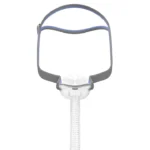 Most Popular Masks
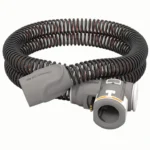 Tubes and Hoses
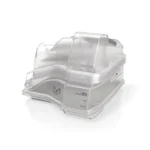 Humidifier Chambers
 Machine Filters
 Power Cords
 Headgear
 Nasal Pillows
 Cushions and Seals


Best Travel CPAP Machine: What to Look For

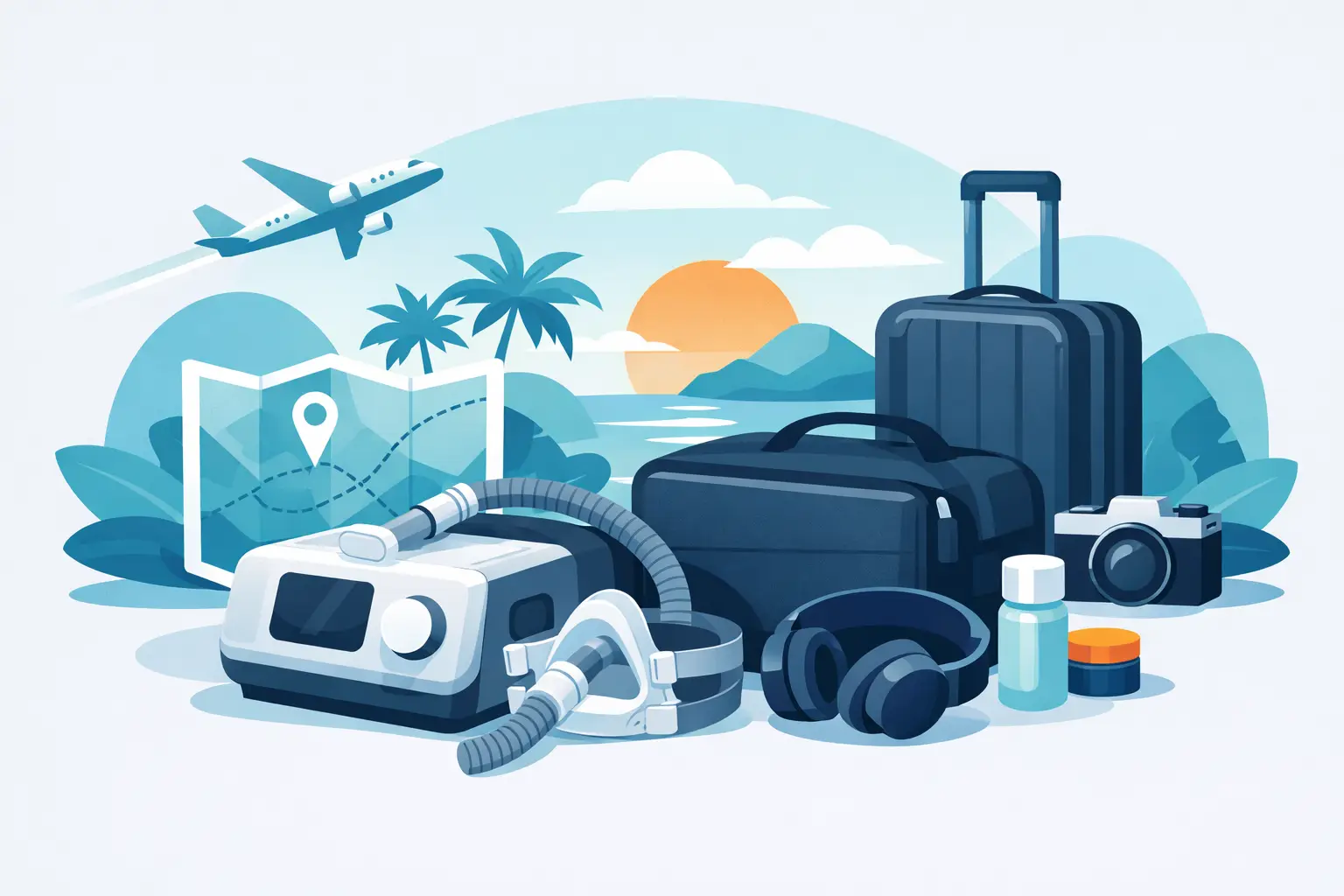
A hotel room, guest bedroom, or overnight flight should not mean choosing between CPAP therapy and restorative sleep. The best travel CPAP machine is the one you will actually use consistently away from home: compact enough to pack, reliable enough to trust, and comfortable enough to support your prescribed therapy night after night.
For many travelers with obstructive sleep apnea, a dedicated travel device makes packing simpler without asking them to compromise on treatment. Still, the smallest machine is not automatically the best fit. Your pressure needs, mask preference, access to power, trip length, and humidification comfort all matter.
What makes the best travel CPAP machine?
A travel CPAP is designed for portability. It is typically lighter and smaller than a bedside machine, with fewer components to carry and a case that fits easily into a carry-on bag. That convenience can make a meaningful difference for frequent business travelers, campers, road trippers, and anyone who wants to keep therapy close during visits with family.
The right device should also deliver the type of treatment your prescription calls for. If you use auto-adjusting CPAP therapy, look for a travel model that supports automatic pressure adjustments. If your therapy includes fixed pressure, make sure the device can be set to your prescribed range. A travel machine should support your care plan, not require you to guess at settings or make changes without clinical guidance.
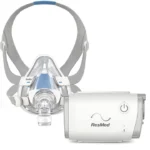
For many adults, the ResMed AirMini is a strong travel-focused option because it combines a small footprint with dependable auto-adjusting therapy features. It is designed specifically for use away from home and works with compatible ResMed mask setups. Whether it is the best choice for you, however, depends on the details of your current therapy and how you prefer to sleep.
Size matters, but comfort matters more
A compact CPAP machine saves space, especially when you are traveling with medications, work items, or a small suitcase. Travel models often weigh well under a pound and take up far less room than a standard home machine. But a smaller device may also have trade-offs, including limited humidification options and more noticeable sound in a very quiet room.
Consider the whole setup rather than the machine alone. You will need the device, tubing, a compatible mask, power supply, and possibly waterless humidification components or a battery. A machine that looks tiny on its own may require specific accessories that affect the overall size of your travel kit.
Mask comfort remains just as important on the road as it is at home. If you already have a mask that seals well and feels comfortable, check whether it is compatible with the travel machine you are considering. Switching to unfamiliar equipment right before a trip can lead to leaks, dry mouth, or interrupted sleep. When possible, test a new travel setup at home first.
Consider humidification before you leave
Many traditional home CPAP machines use a heated humidifier chamber with distilled water. Travel CPAP machines usually do not include that same built-in chamber, largely to keep the device small and easy to carry. Instead, some use waterless humidification cartridges or moisture-exchange technology.
This can be a practical solution when distilled water is hard to find or you are moving between locations. But it may not feel identical to the heated humidity you use at home. If you are prone to nasal dryness, congestion, sore throat, or mouth leak, this is a feature worth discussing before you buy.
Climate also changes the experience. A warm, humid destination may require less moisture support than a dry mountain town, a desert climate, or an airplane cabin. Pack your preferred compatible humidification supplies for the entire trip, plus a few extras if you will be away for more than a few nights.
Power options can determine which machine fits your trip
Before choosing a travel CPAP, think about where you will sleep. Hotel rooms and family homes usually provide convenient wall power. International travel may require a plug adapter, though many travel machines can accommodate different voltages when used with the proper equipment. Always confirm the device’s power requirements before departure.
Camping, long flights, and locations with unreliable electricity require more planning. A CPAP battery can help you maintain therapy when an outlet is unavailable, but not every battery works with every machine. Battery performance also varies based on pressure settings, humidification use, leak levels, altitude, and how long you sleep.
Do not assume a standard portable power bank will run medical equipment safely. Use a battery and cable designed or approved for your CPAP device. If you are flying, keep your machine and battery in your carry-on luggage, protect them from damage, and review the airline’s current battery rules before your trip.
For a road trip or camping weekend, try your full setup before you leave. Run the machine from the battery for a night at home if possible. That simple test can reveal whether you need a backup battery, a different cable, or a plan to reduce power use.
Look for features that support consistent therapy
Travel machines are not all alike, but the most useful features tend to be the ones that make therapy easier to continue in unfamiliar places. Automatic pressure adjustment can be helpful for people whose needs vary during the night. A ramp feature may make it more comfortable to fall asleep. Bluetooth or app-based support may help some users view therapy data or manage settings, although it should not replace advice from your sleep care provider.
Noise is another personal consideration. Most modern devices are designed to operate quietly, but the sound can seem more noticeable in a small room or when sleeping close to a partner. A good mask seal often has as much impact on perceived noise as the machine itself. If you are concerned, test the device at home in a quiet bedroom before relying on it during a trip.
Also consider how easily you can clean and maintain the device. Travel makes routines less predictable, so a straightforward setup can help. Bring enough filters, mask cushions or pillows, and cleaning supplies for your trip. Keep the device dry, protect it in its travel case, and allow components to air dry fully before packing when possible.
Should you travel with your home CPAP instead?
For some people, the best travel choice is simply their regular CPAP machine. If you take occasional short trips, rely heavily on heated humidification, or use a specialized therapy setup, carrying your home device may provide the most familiar and comfortable experience.
A dedicated travel CPAP often makes more sense if you travel frequently, want a lighter carry-on, or need a second machine ready for weekend trips and extended stays. It can also reduce the chance of forgetting your home setup or damaging it in transit. The decision is not about choosing a lesser machine for travel. It is about choosing equipment that helps you stay consistent with the treatment that helps you breathe better and sleep deeper.
Prescription and setup needs
CPAP devices require a valid prescription. If your prescription is expired, your therapy needs have changed, or you are starting treatment for the first time, take care of those steps before planning a trip around a new machine. A virtual consultation, home sleep apnea testing when appropriate, prescription renewal, and insurance verification can make the process more manageable from home.
Your prescribed pressure settings must be properly configured before use. Do not borrow a machine, use someone else’s settings, or adjust clinical settings based on how you feel after one night. Comfort settings and mask fit are worth addressing, but therapy changes should be guided by a qualified professional.
A practical packing plan for CPAP travel
Keep your machine, mask, tubing, power supply, and prescription information together in your carry-on. Checked luggage can be delayed, exposed to rough handling, or left in extreme temperatures. Having therapy equipment with you gives you the best chance of using it as planned.
Bring extra supplies when your trip is longer than a few days. A backup cushion, extra filters, and any compatible waterless humidification cartridges take up little space compared with the inconvenience of trying to find the right replacement while away. If you use a battery, pack its charging equipment too.
Finally, give yourself a short practice period. Set up your travel CPAP at home for several nights before departure, including the mask, tubing, humidity solution, and battery if you plan to use one. A familiar routine can turn an unfamiliar sleep setting into a more comfortable place to rest.
Travel should broaden your plans, not interrupt your care. With a properly prescribed, well-fitted travel CPAP setup, you can protect your sleep routine wherever the next trip takes you.