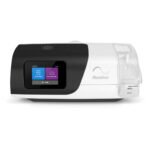
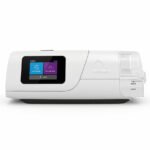
 Featured Machines
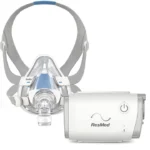 Travel CPAPs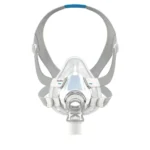
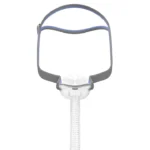 Most Popular Masks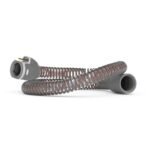
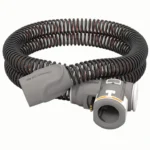 Tubes and Hoses
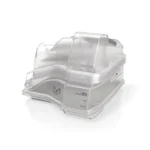 Humidifier Chambers
 Machine Filters
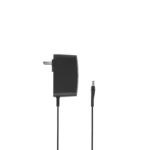 Power Cords
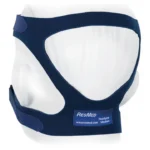 Headgear
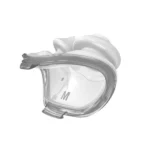 Nasal Pillows
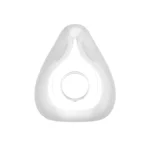 Cushions and Seals


How Does Auto CPAP Work While You Sleep?

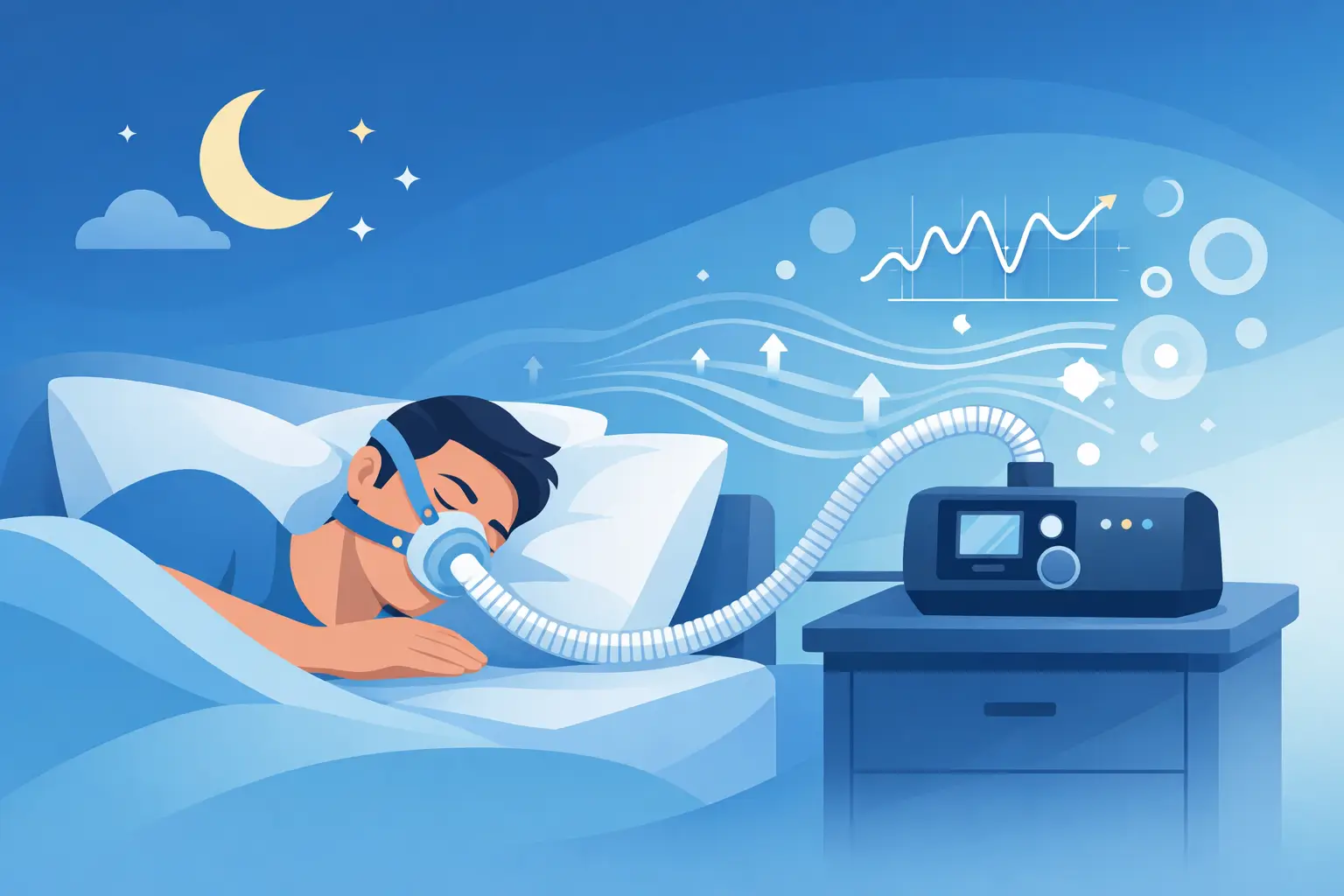
The pressure you need to keep your airway open may not be the same at 10:00 p.m. as it is at 3:00 a.m. It can change when you roll onto your back, enter REM sleep, or deal with nasal congestion. If you have wondered, “how does auto CPAP work?” the simple answer is that it responds to those changing needs while you sleep, helping deliver the support your breathing requires without using one fixed pressure all night.
For many people with obstructive sleep apnea, that flexibility can make therapy feel more comfortable and less intimidating. An auto-adjusting CPAP, often called Auto CPAP, APAP, or AutoSet therapy, is designed to support steadier breathing so you can focus on the real goal: a more restorative night’s sleep.
How Does Auto CPAP Work?
Auto CPAP delivers a gentle flow of pressurized air through your tubing and mask. That air acts like a small air splint for your upper airway, helping prevent the soft tissues in your throat from narrowing or collapsing during sleep.
What makes an Auto CPAP different from a standard fixed-pressure CPAP is its ability to monitor breathing patterns and adjust within a pressure range prescribed by your clinician. Rather than delivering one pressure from the moment you turn it on until morning, the machine can increase support when it detects signs that your airway may be becoming restricted and decrease it when less pressure is needed.
The machine’s sensors look for patterns associated with obstructive sleep apnea, such as snoring, airflow limitation, and obstructive breathing events. If it identifies a developing issue, it may gradually raise the pressure to help stabilize your airway. When your breathing becomes more stable, it can ease back down toward a lower, more comfortable pressure.
These adjustments are typically subtle. You should not feel the machine making dramatic changes with every breath. The goal is responsive support that works in the background while you rest.
Why Pressure Needs Can Change Overnight
Sleep apnea is rarely identical from one moment to the next. A pressure that works well while you are sleeping on your side may not be enough when you turn onto your back. Some people also experience more breathing interruptions during REM sleep, when the muscles that help support the airway become more relaxed.
Alcohol, certain medications, allergies, a cold, weight changes, and nasal congestion can also affect airflow. This does not mean your therapy is failing. It means your breathing needs may vary, which is precisely where an auto-adjusting machine can be useful.
Your prescribed minimum and maximum pressures set the boundaries for those adjustments. For example, a clinician may prescribe a range that allows the machine to begin at a lower pressure and respond as needed without exceeding a safe, appropriate upper limit. Those settings should be based on your sleep apnea diagnosis, health history, and treatment needs – not on trial and error alone.
What Auto CPAP Detects During Sleep
An Auto CPAP does not diagnose sleep apnea on its own, and it does not replace a sleep evaluation. It uses airflow data to guide therapy after you have been diagnosed and prescribed PAP treatment.
As you breathe, the machine measures changes in airflow through the circuit. It may recognize snoring vibrations, flattening in the airflow wave that can suggest restricted breathing, or pauses consistent with an obstructed airway. In response, it adjusts pressure according to its therapy algorithm.
Different machines use different algorithms, so two devices may not respond in exactly the same way. Premium AutoSet devices from ResMed, for example, are designed to provide responsive pressure adjustment while prioritizing comfort features that help people stay consistent with therapy. The right machine depends on your prescription, comfort preferences, and clinical needs.
Auto CPAP is primarily intended to respond to obstructive events. If you have complex sleep apnea, central sleep apnea, significant heart or lung disease, chronic opioid use, or certain other medical conditions, you may need a different type of PAP therapy or closer clinical supervision. This is one reason a proper sleep evaluation and prescription matter.
Auto CPAP vs. Fixed CPAP: What Is the Difference?
Both Auto CPAP and fixed CPAP are effective forms of positive airway pressure therapy for many people with obstructive sleep apnea. Both use air pressure to help keep the airway open. The practical difference is how that pressure is delivered.
A fixed CPAP provides the same prescribed pressure throughout the night. This can be an excellent choice when a person’s pressure needs are well established or when a clinician specifically recommends a fixed setting. Some users appreciate the predictability of a constant pressure.
An Auto CPAP works within a prescribed range. It can deliver lower pressure during periods of stable breathing and increase support when the device detects obstruction-related changes. For someone who needs more pressure only during certain sleep stages or positions, this may feel more comfortable than using the highest required pressure all night.
Neither option is automatically better for every person. Comfort, treatment data, your diagnosis, and your clinician’s recommendation all matter. In some cases, a provider may set an Auto CPAP to operate at a single pressure, effectively using it as a fixed CPAP. The machine’s flexibility gives your care team options.
Comfort Features That Help You Stay With Therapy
Consistent use is where PAP therapy delivers its greatest value. A machine can have advanced technology, but it still needs to fit into your real life. Comfort features can make the first weeks of treatment easier.
Many Auto CPAP machines offer a ramp feature, which begins therapy at a gentler pressure as you settle into bed and gradually increases to your therapeutic range. Heated humidification can add moisture to the airflow, which may help reduce dry mouth, dry nose, or throat irritation. Heated tubing can help maintain comfortable humidity and reduce condensation in the tube.
Mask fit is equally important. A nasal mask or nasal pillows may feel lighter for people who breathe comfortably through their nose. A full-face mask can be a better option for people who breathe through their mouth during sleep or frequently wake with a dry mouth. There is no universal best mask – the one that seals well and feels comfortable enough to wear consistently is the right place to start.
If air leaks, pressure discomfort, congestion, or dry mouth are disrupting your sleep, do not assume you simply have to tolerate it. A mask adjustment, humidity change, different cushion size, or review of your settings may make a meaningful difference.
What to Expect When You Start Auto CPAP
The first few nights can feel unfamiliar. You are sleeping with a mask, hearing a quiet flow of air, and building a new bedtime routine. Give yourself room to adapt. Many people find it helpful to wear the mask for short periods while reading or watching television before trying to sleep with it all night.
Your therapy data can help show whether the treatment is working well. Depending on your machine and care arrangement, data may include usage time, mask leak information, estimated breathing events, and pressure patterns. These details can help a clinician identify whether your settings and equipment are supporting effective treatment.
Use your device every time you sleep, including naps, unless your clinician tells you otherwise. Taking it off after a few hours is common early on, but returning to it and gradually increasing your nightly use is worthwhile. Consistency supports better sleep, better symptom control, and a clearer picture of how well therapy is working.
When to Contact Your Sleep Care Team
Reach out for support if you are struggling with persistent discomfort, major leaks, frequent awakenings, continued loud snoring while using therapy, or daytime sleepiness that does not improve. You should also contact your clinician if you develop new chest symptoms, feel short of breath, or have concerns about your prescribed settings.
Do not change your pressure range on your own without clinical guidance. A higher pressure is not always the answer, and pressure changes can affect comfort, leaks, and the quality of your therapy. The safest path is to review your experience and device data with a qualified provider.
For adults beginning treatment from home, a clear process can remove much of the friction. Sleep Restoration Center can help connect the steps of home sleep testing, virtual support, prescription renewal, insurance verification, and equipment selection so treatment feels more manageable from the start.
Auto CPAP is not meant to make sleep apnea treatment complicated. It is designed to quietly adapt to your breathing while you do the most important part: rest. With the right prescription, a comfortable mask, and support when you need it, each night can become another opportunity to breathe better and sleep deeper.