 Featured Machines
 Travel CPAPs
 Most Popular Masks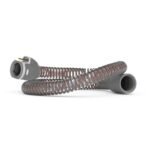
 Tubes and Hoses
 Humidifier Chambers
 Machine Filters
 Power Cords
 Headgear
 Nasal Pillows
 Cushions and Seals


Your CPAP Supply Replacement Schedule, Explained

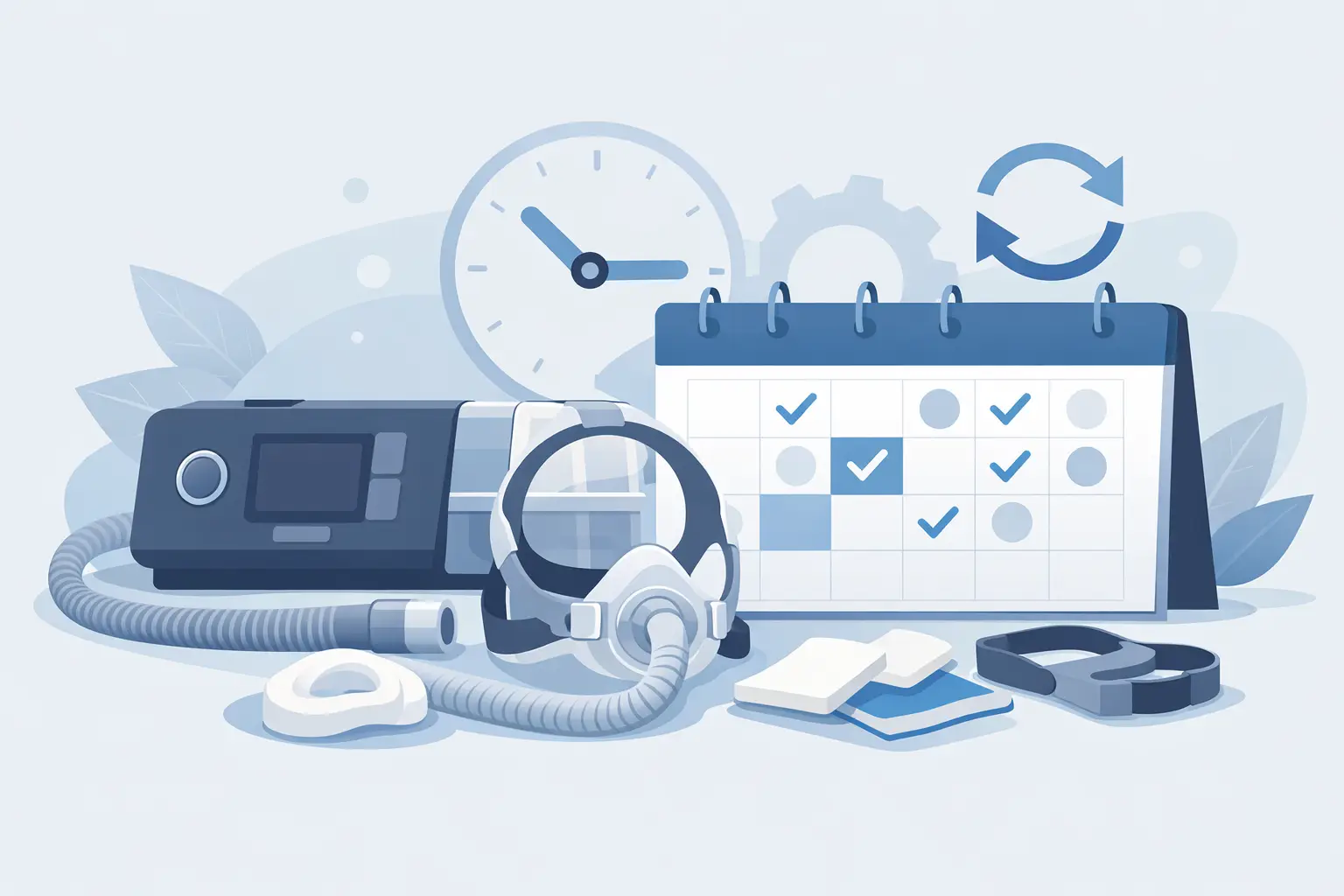
A CPAP setup can look perfectly fine long after its comfort and performance have started to decline. Your CPAP supply replacement schedule is not about replacing equipment for the sake of it. It is a practical way to protect a good mask seal, clean airflow, comfortable humidification, and the consistent therapy that helps you breathe better and sleep deeper.
The right timing depends on the specific equipment you use, how often you use it, your cleaning routine, and your insurance coverage. Still, following a reliable baseline can prevent the small problems that make people skip therapy: a mask that starts leaking, headgear that will not stay in place, or a filter that has collected more dust than it should.
A Practical CPAP Supply Replacement Schedule
Most replacement schedules are based on regular nightly use. If you use CPAP every night, live with pets, have allergies, travel frequently, or notice visible wear sooner, you may need to replace certain items earlier. Always follow the instructions for your specific machine and mask.
| CPAP supply | Typical replacement timing | Why it matters | | — | — | — | | Nasal pillows | Every 2 weeks | Soft silicone can lose its shape and seal quickly. | | Nasal or full-face mask cushion | Every 1 month | A fresh cushion helps reduce leaks, skin irritation, and pressure marks. | | Disposable filter | Every 2 weeks, or sooner if discolored | Filters help keep dust and airborne particles out of your machine. | | Complete mask or mask frame | Every 3 months | Frames can wear, warp, or stop supporting a reliable seal. | | CPAP tubing | Every 3 months | Tubing can develop small leaks, hold moisture, or become difficult to clean. | | Headgear | Every 6 months | Elastic stretches over time, causing overtightening and mask leaks. | | Humidifier water chamber | Every 6 months | Mineral buildup and normal wear can affect comfort and cleanliness. | | Reusable filter, if your device uses one | About every 6 months | Washable filters still wear down and eventually need replacement. |
These intervals are useful planning targets, not rigid rules. For example, a full-face cushion may need replacing sooner if facial oils are breaking down the silicone, while a carefully maintained water chamber may remain in good condition longer. The goal is to notice change before it interferes with therapy.
Why CPAP Supplies Do Not Last Forever
CPAP therapy works best when the system maintains a stable seal and delivers the pressure prescribed for you. Even durable-looking parts are exposed to warmth, moisture, skin oils, cleaning products, and repeated stretching. That daily use gradually changes how they fit and function.
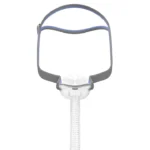
Mask cushions and nasal pillows are the most common source of trouble. Silicone becomes less supple, which can make a once-comfortable mask leak around the nose or mouth. It is tempting to tighten the straps, but that often creates a different problem: sore skin, red marks, or a cushion that leaks more because it has been compressed too tightly.
Filters deserve the same attention. A dirty filter can restrict airflow and allow more dust to circulate around the machine. If you have seasonal allergies, pets, or a dusty home, check it more often than the calendar suggests. Replace disposable filters when they look gray or discolored rather than waiting for a set date.
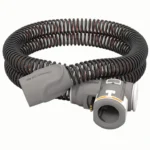
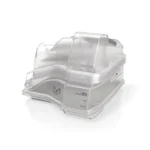
Humidifier chambers and tubing also need care. Mineral deposits from tap water can collect in a chamber, while tubing can retain moisture if it is not allowed to dry thoroughly. Using distilled water in the humidifier helps reduce mineral buildup and supports a more comfortable, rejuvenating night’s sleep.
Signs You Should Replace a CPAP Part Early
A calendar is helpful, but your experience matters just as much. Replace a component before its planned date if your mask starts leaking despite cleaning and refitting it, if you are waking with dry mouth, or if you need to pull the straps much tighter than usual.
Other signs include visible cracks, cloudiness in the water chamber, a tubing connection that feels loose, persistent odors after cleaning, or a filter that appears dirty. A new supply will not solve every treatment issue, of course. Changes in weight, congestion, sleep position, or pressure needs can also affect mask comfort. But replacing worn supplies is one of the simplest places to start.
If you develop ongoing skin irritation, sores, severe dryness, or a sudden drop in therapy comfort, do not simply force your way through it. A different mask style, humidity adjustment, or conversation with a qualified sleep professional may be the better next step.
Keep Replacement Timing Simple
The easiest schedule is the one you will actually follow. Many CPAP users set recurring reminders for filters and cushions, then plan a larger supply check every three or six months. Keeping one backup cushion and filter at home can be especially helpful before travel or during a busy season when reordering may slip your mind.
Cleaning also extends the useful life of your supplies, though it does not eliminate the need for replacement. Wash mask cushions according to the manufacturer instructions, empty and rinse the humidifier chamber regularly, and allow components to air-dry fully. Avoid harsh cleaners, bleach, or heavily scented products unless the manufacturer specifically approves them. Those products can damage materials and leave behind odors that make therapy less pleasant.
It can help to write the replacement date on the package when you open a new item. That small habit makes it easier to tell whether a cushion is actually nearing the end of its life or whether another issue is causing leaks.
A note about insurance coverage
Insurance plans, including Medicare and private insurance, may have their own coverage guidelines and documentation requirements for replacement supplies. Their allowed timing may differ from the schedule above and may depend on your diagnosis, prescription, plan benefits, and proof of ongoing CPAP use.
Coverage timing should not be confused with the condition of your equipment. If a supply fails early, take note of the issue and contact your supplier or insurance provider to understand your options. If you are paying out of pocket, prioritizing high-wear items such as cushions, pillows, and filters can help you control costs while protecting nightly comfort.
Make Comfort Part of Your Therapy Routine
Replacing supplies on time is a form of maintenance for your sleep, not an extra chore. A clean filter supports reliable airflow. A fresh cushion can restore the gentle seal you need. Tubing and humidification parts in good condition can make therapy feel more natural, especially when dry air or congestion would otherwise get in the way.
Sleep Restoration Center supports the full at-home therapy path, from sleep testing and prescription renewal to quality CPAP equipment and recurring supplies. Whether you are new to treatment or have used CPAP for years, a dependable replenishment routine can make it easier to stay consistent.
When your equipment feels comfortable and works as intended, it is easier to put on your mask, settle in, and give your body the uninterrupted rest it has been missing.