 Featured Machines
 Travel CPAPs
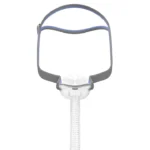 Most Popular Masks
 Tubes and Hoses
 Humidifier Chambers
 Machine Filters
 Power Cords
 Headgear
 Nasal Pillows
 Cushions and Seals


CPAP Mask Leak Solutions for Better Sleep

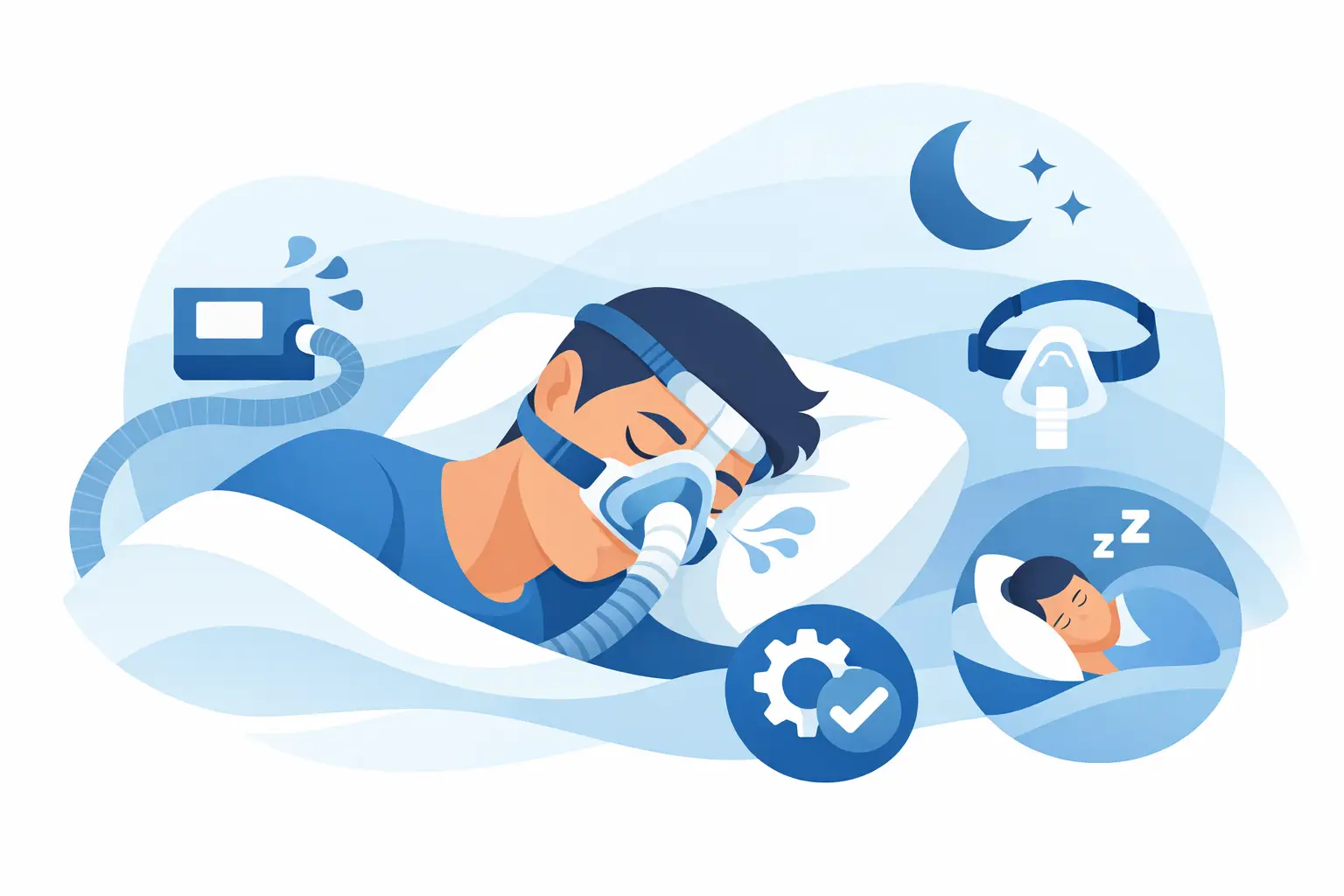
A leak that whistles at 2 a.m., blows air toward your eyes, or leaves you tightening your mask over and over can turn CPAP therapy into a frustrating routine. The good news is that most CPAP mask leak solutions are straightforward. A better fit, a fresh cushion, or a small adjustment to your sleep setup can often make therapy quieter, more comfortable, and more effective.
A small amount of intentional venting is normal. Every CPAP mask has built-in exhalation ports that release carbon dioxide, so you should feel a gentle flow of air there. A problem leak is different: it escapes around the cushion, wakes you or your partner, dries your mouth or eyes, irritates your skin, or appears consistently in your machine’s nightly data.
Start by identifying where the leak begins
Before changing masks or buying new equipment, notice when and where the air is escaping. Leaks around the bridge of the nose, cheeks, or chin usually point to fit, cushion condition, or sleep-position issues. Air coming from the mouth may mean a nasal mask or nasal pillow mask is not matching how you breathe during sleep. A leak at the tubing connection or humidifier chamber may be an equipment issue rather than a mask issue.
Timing also provides a useful clue. If the mask leaks as soon as you put it on, the cushion may be misaligned or the headgear may be too loose or too tight. If it begins later in the night, your position may be shifting, your facial muscles may be relaxing, or condensation and moisture may be affecting the seal.
Many current CPAP machines provide leak information in their nightly reports or companion app. Use that information as a pattern, not a reason to chase a perfect number every night. Your care team can help interpret whether a reported leak is affecting treatment.
Adjust your mask at therapy pressure, not before
One of the most effective CPAP mask leak solutions is also one of the simplest: fit the mask while air is flowing. Put on the mask with the straps just snug enough to hold it in place, turn on your machine, then settle into the position you normally use for sleep. Gently move the cushion into place and make small strap adjustments only where you feel a leak.
It is tempting to pull the headgear as tight as possible. Usually, that makes the seal worse. Most modern masks are designed so the cushion inflates slightly against the skin. Overtightening can flatten the silicone, create gaps, and leave pressure marks in the morning.
For a full-face mask, begin by centering the cushion over your nose and mouth before tightening the lower straps. For a nasal mask, make sure the cushion rests evenly beneath the nose rather than pressing upward. With nasal pillows, the pillows should sit gently at the entrance of the nostrils, not forcefully inside them.
If you use a ramp setting, consider fitting the mask at your usual treatment pressure instead of the lower starting pressure. A mask that seems sealed during ramp may leak once pressure increases.
Clean the cushion and check its condition
Facial oils, skin-care products, and everyday moisture can make silicone slippery. Washing the mask cushion regularly with warm water and mild soap helps restore a more reliable seal. Let it air dry fully, away from direct heat. Avoid harsh cleaners, scented products, and oily wipes that can break down mask materials or leave residue behind.
Also inspect the cushion in bright light. Silicone that looks cloudy, stretched, tacky, stiff, torn, or misshapen may no longer seal consistently. Headgear can stretch over time as well, even if it still looks fine.
Replacement timing depends on the mask design, how often you use it, your skin oils, and your cleaning routine. If leaks have returned despite careful adjustment, replacing the cushion is often more useful than repeatedly tightening old headgear. Keeping replacement cushions, filters, and other routine supplies on hand can prevent a worn component from disrupting your sleep.
Match your mask style to how you sleep and breathe
A well-made mask can still leak if it is not the right style for your needs. The goal is not to force yourself to tolerate a mask that feels wrong. It is to find a comfortable interface that supports effective therapy night after night.
If you breathe through your mouth
A nasal mask or nasal pillows can work well for many people, but mouth breathing may allow pressurized air to escape through the lips. You may wake with a very dry mouth, hear air rushing from your mouth, or see high leak readings despite a mask that feels sealed around the nose.
A full-face mask covers both the nose and mouth and may be a better option, particularly during allergy season or when nasal congestion is common. Some people also benefit from addressing nasal dryness or congestion with guidance from their clinician. Do not use tape or make major changes to your therapy setup without discussing safety and appropriateness with a qualified provider.
If you sleep on your side or stomach
Side sleepers often experience leaks when the pillow pushes the mask cushion out of position. Try positioning the edge of your pillow beneath the mask rather than directly against it, or consider a CPAP-friendly pillow with cutouts that reduce contact with the mask.
A smaller nasal or nasal pillow mask can be easier for active sleepers because it has less surface area against the face. However, a full-face mask may still be the best choice if you breathe through your mouth. Comfort and a stable seal matter more than choosing the smallest possible mask.
If the bridge of your nose feels sore
Pain or redness across the nasal bridge often signals too much pressure or an incorrect mask size. Loosening the upper straps slightly and reseating the cushion may help. A different cushion size or mask style may be necessary if soreness continues.
Persistent skin breakdown, significant pain, or a rash deserves prompt attention from your healthcare professional. CPAP therapy should support a rejuvenating night’s sleep, not leave you with injuries that make you avoid using it.
Look beyond the mask itself
Not every leak comes from the cushion. Check that the tubing is firmly connected to the machine and mask, and examine it for small tears, loose cuffs, or damage. Confirm that the humidifier chamber is fully seated and that its seal is clean and intact. If you use a heated tube, make sure it is properly attached at both ends.
Tubing can pull on a mask when you turn over. Routing the hose above your headboard, using a hose lift, or allowing enough slack at the top of the bed can reduce that tugging. This small change is especially helpful for people who move frequently during sleep.
Dry air can also complicate the experience. Nasal dryness may lead to congestion, which can encourage mouth breathing, while excess condensation can make a cushion slide. Adjusting humidification and tube temperature gradually may help, but the ideal setting depends on your room temperature and comfort. Change one setting at a time so you can tell what is actually improving the problem.
When a mask refit is the right next step
If you have cleaned the cushion, checked your equipment, and made careful fit adjustments but continue to wake from leaks, it may be time for a different size or mask design. Facial contours vary, and even a mask that worked well previously can become less comfortable after weight changes, dental work, changes in facial hair, or normal wear.
A virtual care provider or experienced CPAP support professional can help you review your symptoms, leak data, pressure settings, and current mask style. Do not lower prescribed pressure on your own just to quiet a leak. That may reduce the leak temporarily while also reducing the treatment your body needs.
At Sleep Restoration Center, support can help you move from a frustrating mask issue toward an at-home therapy routine that feels more manageable. If your machine data shows ongoing large leaks, you are removing the mask during the night, or you are feeling persistently tired despite using CPAP, reach out for guidance rather than trying to push through alone.
A comfortable seal is not about getting every strap perfectly tight. It is about giving yourself the steady, dependable airflow that helps you breathe better and sleep deeper. With a few patient adjustments and the right equipment fit, your mask can become a quieter part of a more restorative night.