 Featured Machines
 Travel CPAPs
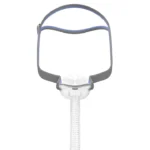 Most Popular Masks
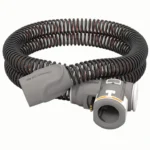 Tubes and Hoses
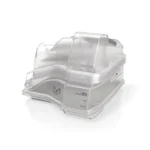 Humidifier Chambers
 Machine Filters
 Power Cords
 Headgear
 Nasal Pillows
 Cushions and Seals


Is the ResMed AirSense 11 AutoSet Right for You?

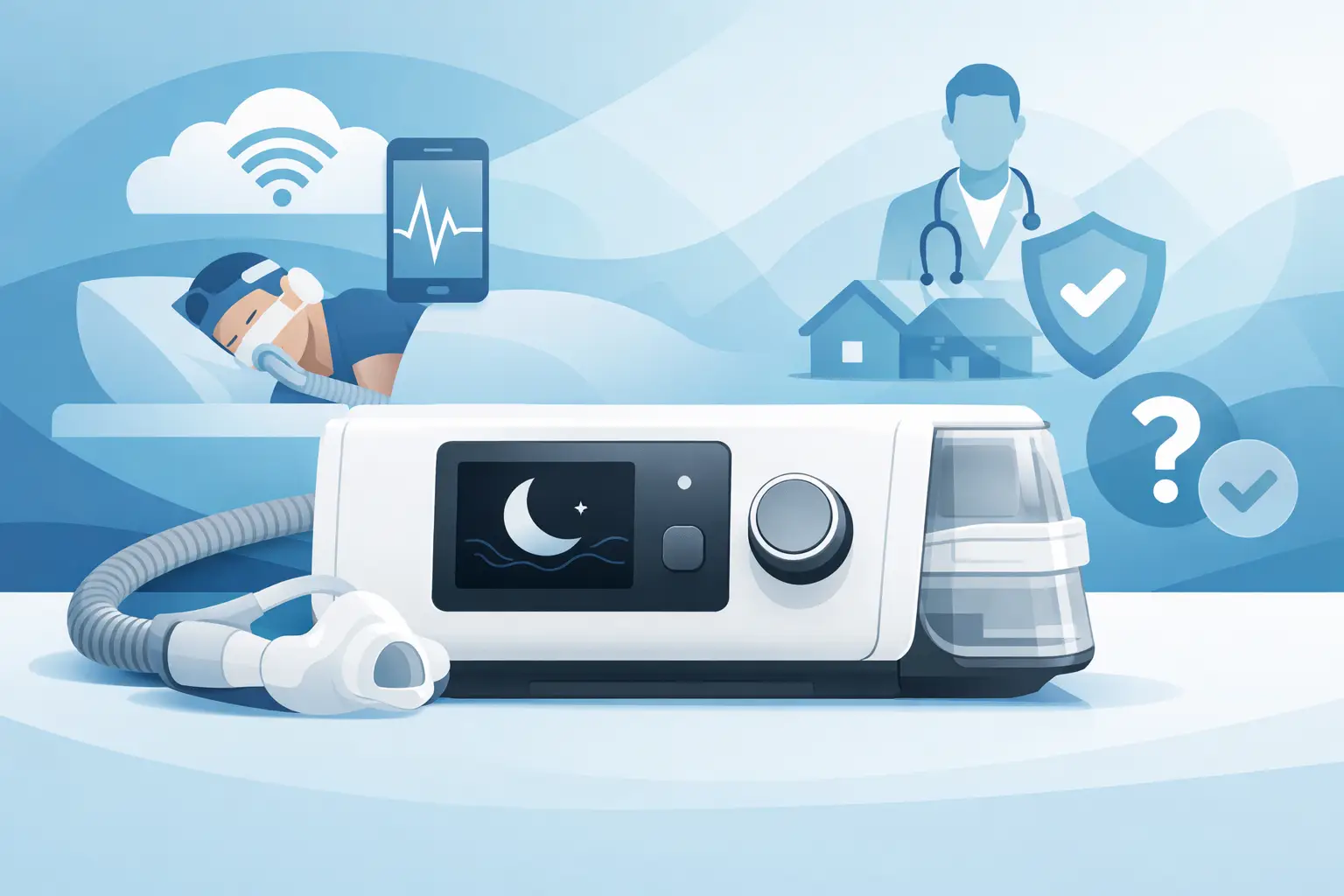
A CPAP machine should not make bedtime feel more complicated. The ResMed AirSense 11 AutoSet is designed to make obstructive sleep apnea treatment feel more manageable at home, with automatic pressure adjustment, comfort-focused humidification, and guided support features that can help you settle into a more consistent sleep routine.
For many people, the hardest part of treatment is not understanding that sleep apnea needs care. It is finding a setup that feels comfortable enough to use every night. The AirSense 11 AutoSet is a premium automatic positive airway pressure, or APAP, machine intended to support prescribed therapy while giving users practical tools to track and maintain their routine.
What the ResMed AirSense 11 AutoSet Does
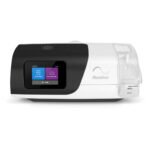
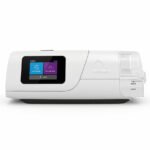
The AirSense 11 AutoSet delivers pressurized air through compatible tubing and a CPAP mask to help keep the upper airway open during sleep. Its AutoSet algorithm automatically adjusts pressure within the range prescribed by your clinician. When breathing patterns suggest that more pressure may be needed to prevent an airway obstruction, the machine can respond. When less pressure appears necessary, it can reduce pressure within that prescribed range.
That difference matters for people who do not need the same level of pressure all night. Sleep position, alcohol use, nasal congestion, sleep stage, and changes in body weight can all affect airway stability. An automatic machine may provide a more tailored experience than a fixed-pressure CPAP setting for some users.
Auto-adjusting pressure is not automatically the best choice for every diagnosis or every sleeper. Your prescription, sleep study results, health history, and comfort needs should guide the decision. People with certain breathing conditions may need a different type of PAP therapy, such as bilevel treatment, rather than an AutoSet device.
Comfort Features That Support Consistent Therapy
Effective sleep apnea treatment depends on use, not just ownership. A machine can have excellent technology, but it still needs to fit into real life: getting ready for bed, falling asleep, waking during the night, and starting again the next evening.
The ResMed AirSense 11 AutoSet includes several features meant to reduce common barriers to regular CPAP use. Its integrated heated humidifier adds moisture to the airflow, which can help reduce dryness in the nose, mouth, or throat. If you use compatible heated tubing, climate settings can help maintain comfortable air temperature and minimize condensation in the tube.
For people who feel uncomfortable with full prescribed pressure as soon as they turn on the machine, the Ramp feature begins at a lower pressure and gradually increases. AutoRamp can wait until it detects that you have fallen asleep before raising pressure toward your therapeutic range. This may be helpful for new users, although some people with higher pressure needs prefer a shorter ramp or no ramp at all.
The device also includes Expiratory Pressure Relief, often called EPR. This feature can lower pressure slightly when you breathe out, making exhalation feel more natural for some users. Whether it is appropriate and how it is set should be determined with your prescribing clinician.
A Modern Interface Without the Guesswork
The AirSense 11 has a touchscreen interface that presents key controls and therapy information in a clear, approachable format. You can start or stop therapy, review basic usage details, and access comfort settings that are available within your prescribed configuration.
It also works with the myAir app, which can provide coaching, therapy insights, and reminders. For someone starting PAP therapy, small prompts can be useful. A reminder to reconnect the mask properly or clean a component may make the routine feel less overwhelming during the first few weeks.
App-based information is helpful, but it should not replace clinical guidance. A score or usage trend can show how regularly you are using therapy, yet it cannot fully explain why you are waking up tired, feeling bloated, noticing leak, or struggling with a mask. Those concerns deserve a conversation with a qualified sleep care professional.
The Mask Is Just as Important as the Machine
Even the right machine can feel frustrating with the wrong mask. AirSense 11 AutoSet users can choose from nasal masks, nasal pillow masks, and full-face masks, depending on their breathing habits, facial comfort, and pressure needs.
Nasal pillows are minimal and can work well for people who prefer an open field of vision or feel claustrophobic in a larger mask. Nasal masks cover the nose and offer a balance of stability and a lighter profile. Full-face masks cover the mouth and nose and may be a practical option for people who breathe through their mouth during sleep or have frequent nasal congestion.
Mask leak is one of the most common reasons treatment feels less comfortable than it should. A tighter mask is not always the answer. Over-tightening can create pressure marks, distort the cushion, and worsen leaks. Often, the better solution is adjusting the fit while lying down with airflow on, replacing a worn cushion, or trying a different mask style.
Who May Benefit From an AirSense 11 AutoSet?
The AirSense 11 AutoSet may be a strong option for adults with a valid prescription for APAP therapy who want a current-generation ResMed machine with automatic pressure adjustment and integrated humidification. It can be especially appealing for someone beginning treatment at home, replacing an older CPAP machine, or looking for a more connected way to monitor basic therapy habits.
It can also suit experienced users who already know that automatic pressure therapy works well for them. If your previous machine was an AutoSet model and your clinician recommends continuing APAP, the transition may feel familiar while offering newer interface and support features.
There are trade-offs to consider. The AirSense 11 is intended for bedside use and is not the smallest choice for frequent travel. Some travelers prefer a dedicated travel CPAP, while others bring their home machine because they value its humidification options and familiar settings. If you need a machine for camping, international travel, or frequent flights, think about power access, humidifier needs, and whether a second travel-focused device would better protect your routine.
Starting Therapy at Home With More Confidence
A good first night does not have to be a perfect night. It is normal to need time to adjust to airflow, headgear, tubing, and sleeping with a mask. Instead of waiting until bedtime to unpack everything, set up the machine earlier in the day. Fill the water chamber with distilled water, connect the tubing and mask, and sit somewhere comfortable while wearing the mask with the machine running for a few minutes.
This quiet practice can make the sensation of pressure less unfamiliar. At bedtime, focus on comfort rather than on watching the clock. If you wake and remove the mask, put it back on when you can. Consistency builds through repeated use, even when the early nights are imperfect.
Keep the equipment clean according to the manufacturer instructions. Empty and air-dry the humidifier chamber regularly, wash mask components and tubing as directed, and replace filters, cushions, and other supplies on schedule. Worn accessories can affect fit, comfort, and the overall experience of therapy.
If you are starting from symptoms such as loud snoring, witnessed breathing pauses, morning headaches, or persistent daytime fatigue, you need an evaluation before purchasing a PAP machine. A home sleep apnea test and virtual consultation can offer a private, convenient path for many eligible adults. If you already have a diagnosis but need help with a prescription renewal, insurance verification, or selecting compatible equipment, Sleep Restoration Center can help bring those next steps together.
Questions to Ask Before You Choose
Before choosing an AirSense 11 AutoSet, confirm that your prescription specifically supports APAP therapy and check the pressure range your clinician has ordered. Ask whether heated tubing is recommended for your climate and dryness symptoms, and consider which mask style matches how you naturally breathe at night.
It is also wise to ask about insurance coverage and replacement schedules. Coverage varies by plan, and some plans have documentation or compliance requirements. Understanding those details before your equipment arrives can prevent surprises and help you plan for future mask cushions, filters, tubing, and water chambers.
The best PAP machine is the one that fits your prescription and helps you return to therapy night after night. With the right settings, mask, and support, the ResMed AirSense 11 AutoSet can become less like medical equipment at the bedside and more like a dependable part of breathing better and sleeping deeper.