 Featured Machines
 Travel CPAPs
 Most Popular Masks
 Tubes and Hoses
 Humidifier Chambers
 Machine Filters
 Power Cords
 Headgear
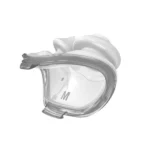 Nasal Pillows
 Cushions and Seals


Nasal Pillows vs Full Face Mask: Which Is Right?

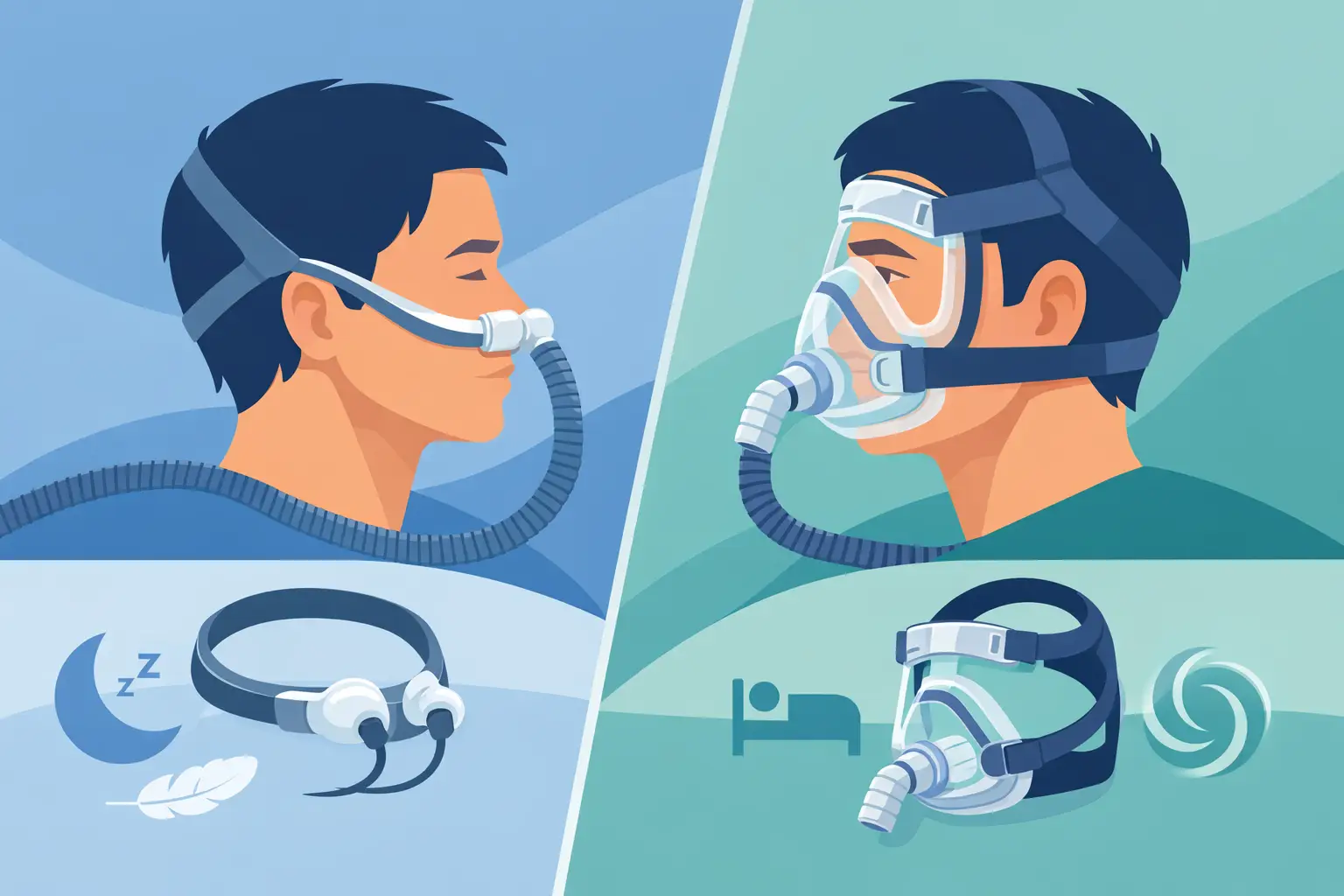
A CPAP machine can deliver the pressure your airway needs, but the mask is what determines whether that therapy feels manageable night after night. When comparing nasal pillows vs full face mask options, the best choice is rarely about which style is considered “better.” It is about how you breathe, sleep, move, and feel when the lights go out.
A mask that fits your routine can make treatment feel like a natural part of your evening instead of a struggle. The right interface helps reduce leaks, supports steady therapy, and gives you a better chance of waking up restored rather than exhausted.
Nasal Pillows vs Full Face Mask: The Core Difference
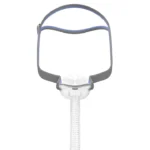
Nasal pillow masks use small, soft cushions that rest at the entrance of the nostrils. They seal around each nostril and deliver CPAP pressure directly through the nose. Their lightweight design leaves most of the face uncovered.
A full face mask covers both the nose and mouth. It is designed to maintain treatment pressure whether you breathe through your nose, your mouth, or both during sleep. These masks generally have a larger cushion and more headgear than nasal pillow styles.
Neither option is automatically the more comfortable choice. Some people love the barely-there feeling of nasal pillows, while others sleep more confidently in a full face mask because they do not have to worry about opening their mouth overnight.
When Nasal Pillows May Be a Good Fit
Nasal pillows are often appealing to people who feel confined by traditional CPAP masks. Because the cushion touches a smaller area of the face, this style can be a comfortable option for people who dislike pressure across the bridge of the nose or cheeks. It may also work well for people who wear glasses, read in bed, or want a clearer field of vision before sleep.
Many side sleepers and active sleepers appreciate the compact profile. With less mask surface against the pillow, there can be fewer places for the seal to shift as you change positions. Nasal pillow masks are also generally light, which can make them feel less noticeable once you are settled.
This style may be worth considering if you primarily breathe through your nose and your nasal passages are usually clear at bedtime. It can be especially helpful for people with facial hair, since there is less facial area that needs to form a seal.
Still, smaller does not always mean easier. Nasal pillows must sit correctly at the nostrils. If they are too tight, the cushions can cause tenderness, red marks, or a feeling of irritation. If they are too loose, they may leak or make noise. A good fit should feel secure without pressing hard into the nostrils.
Potential challenges with nasal pillows
Nasal pillows may be less comfortable when nasal congestion is frequent. Seasonal allergies, colds, sinus issues, or chronic nasal blockage can make it hard to receive therapy through the nose alone. Some users also find that higher prescribed pressures create a stronger airflow sensation with this mask style, particularly during the adjustment period.
Mouth breathing is another consideration. If your mouth opens while you sleep, air can escape through it instead of supporting your airway. That may lead to dry mouth, leaks, reduced comfort, and less effective therapy. Some people address this with humidity adjustments or a chin strap, but others find a full face mask to be a simpler solution.
When a Full Face Mask May Be a Better Choice
A full face mask can be an excellent fit for people who breathe through their mouth at night, either regularly or occasionally. Since it covers the mouth and nose, it continues delivering prescribed pressure when your mouth opens. That can offer welcome reassurance for new CPAP users who are unsure of their sleep habits.
This style is also commonly helpful for people with ongoing nasal congestion. You should not have to abandon therapy every time allergies flare up or a cold makes nasal breathing difficult. A full face mask gives you a dependable path for continuing treatment when breathing through the nose is not comfortable.
People using higher CPAP pressures may also prefer the stability of a larger cushion. While every person is different, a well-fitted full face mask can distribute pressure over a broader area and provide a secure seal. For some, that feels more comfortable than direct airflow at the nostrils.
Potential challenges with full face masks
The trade-off is size. A full face mask has more contact with the face, so it can feel more noticeable than nasal pillows. It may take a little more time to find the right headgear tension and cushion position, especially if you sleep on your side or move frequently.
Leaks can also occur if the mask is overtightened. It is a common instinct to pull the straps tighter when air escapes, but that can distort the cushion and create more leaking. A gentle, even seal is usually more effective than excessive pressure.
People with claustrophobia may initially prefer a smaller mask, although this is not always the deciding factor. Some users feel more at ease with a full face mask once they realize it prevents dry mouth and gives them the freedom to breathe naturally. Comfort is physical, but it is also about confidence in your therapy.
How Sleep Position and Daily Habits Affect Your Choice
Your sleep position can point you in the right direction, but it does not have to limit you. Back sleepers often do well with either style when the fit is correct. Side sleepers may prefer nasal pillows because they have a smaller footprint, yet many full face mask users sleep comfortably on their side with a CPAP-friendly pillow and careful mask adjustment.
Consider your nighttime routine, too. If you enjoy reading, watching television, or wearing glasses before bed, nasal pillows may feel more convenient. If you wake with a dry mouth, notice your mouth falling open, or regularly struggle with a stuffy nose, a full face mask may better support uninterrupted treatment.
Your facial structure matters as well. A mask that works beautifully for one person can leak on another because of differences in cheek shape, nose size, jaw position, or facial hair. That is why a proper sizing guide and thoughtful fitting process matter more than online reviews alone.
Make Comfort Part of Your CPAP Treatment Plan
The first mask you try does not have to be your forever mask. CPAP therapy is a personal routine, and it is normal to need an adjustment period or a different mask style before you find what feels right. Give a new mask time to settle in, but do not ignore persistent discomfort, frequent leaks, skin irritation, or dry mouth.
Start by checking the basics: use the correct cushion size, wash the cushion regularly to remove facial oils, replace worn supplies as needed, and adjust your humidifier settings if dryness is affecting your sleep. A mask that once sealed well can begin leaking when its cushion becomes worn or loses its softness.
If you are new to treatment, use your mask for a few quiet minutes before bed while sitting up and awake. This can help your body get used to the airflow without the pressure of trying to fall asleep immediately. If discomfort continues, a sleep care provider can help you review fit, pressure settings, congestion, and mouth breathing concerns.
Choosing the Mask That Helps You Keep Using CPAP
The best CPAP mask is the one you can wear consistently. Nasal pillows may offer a light, open feel for clear nasal breathers who prefer minimal facial coverage. A full face mask may provide more dependable therapy for mouth breathers, people with congestion, and those who want coverage for both breathing pathways.
There is no failure in changing mask styles. Finding the right fit is part of building a comfortable at-home therapy routine that supports better breathing and deeper sleep. With the right mask, your CPAP treatment can become less about the equipment and more about how much better you feel in the morning.