 Featured Machines
 Travel CPAPs
 Most Popular Masks
 Tubes and Hoses
 Humidifier Chambers
 Machine Filters
 Power Cords
 Headgear
 Nasal Pillows
 Cushions and Seals


CPAP Masks That Help You Sleep More Comfortably

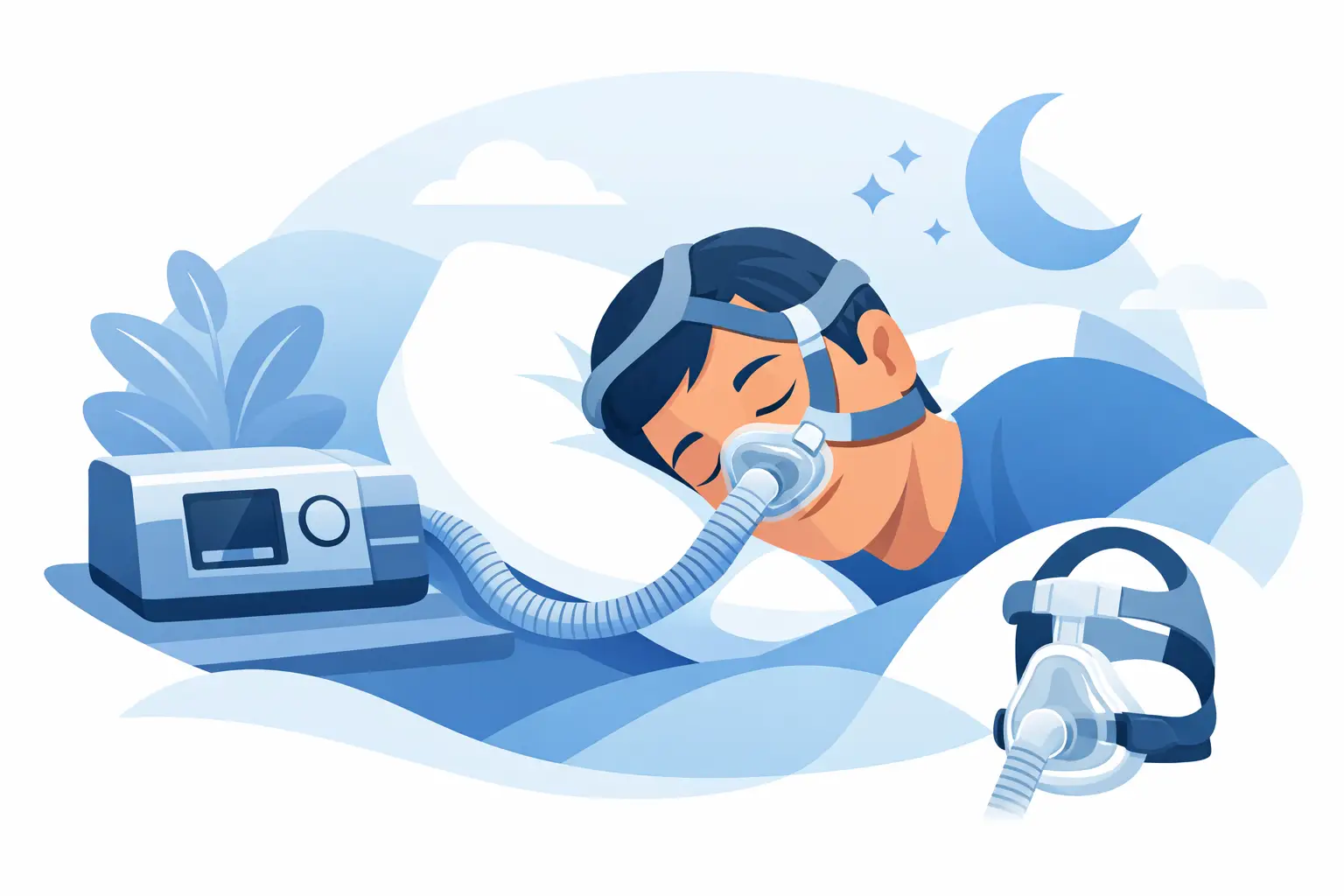
A CPAP machine can deliver the pressure your airway needs, but the mask is the part you feel every night. If it leaks, pinches, dries your mouth, or makes you feel confined, it can turn a treatment that supports your health into a frustrating bedtime routine. The right CPAP masks help make therapy feel more natural, so you can breathe better, sleep deeper, and wake up ready for the day.
Comfort is not a luxury in sleep apnea treatment. It is one of the practical factors that helps people use therapy consistently. Finding the right style may take a little adjustment, especially when you are new to CPAP, but a better fit can make a meaningful difference in your ability to settle in and get restorative sleep.
Why CPAP mask fit matters so much
CPAP therapy works by using gentle, continuous air pressure to help keep your airway open while you sleep. Your mask creates the connection between the machine and your breathing. When that seal is comfortable and stable, the prescribed pressure can do its job without unnecessary interruptions.
A poor fit can cause air leaks, whistling sounds, dry eyes, skin irritation, or repeated awakenings. It can also tempt you to tighten the headgear too much. That often makes the problem worse: an overtightened cushion can flatten against the skin and leak more easily, while leaving marks or soreness by morning.
The goal is not a mask that feels tight. It is a mask that feels secure. Most modern cushions are designed to inflate gently against your face when therapy starts, creating a seal with less pressure from the straps. A few minutes spent adjusting the fit before sleep can protect your comfort for the rest of the night.
The main types of CPAP masks
The best mask for you depends on how you breathe, how you sleep, and what you need to feel comfortable. There is no single style that works for everyone.
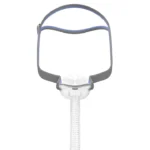
Nasal pillow masks
Nasal pillow masks use soft silicone cushions that rest at the entrance of the nostrils. They are generally small and lightweight, with less facial coverage than other options. Many people who feel uneasy wearing a larger mask, wear glasses before bed, or prefer a more open field of vision find this style appealing.
This option can work well for active sleepers because there is less mask surface to shift. It may also be useful for people who enjoy reading or watching television while getting ready for sleep. However, nasal pillows are usually best for people who breathe primarily through their nose. If you regularly wake with a dry mouth or know that you sleep with your mouth open, another style may provide a more reliable seal.
Nasal masks
A nasal mask covers the nose from the bridge to just above the upper lip. It offers a balance between the minimal feel of nasal pillows and the fuller coverage of a full-face mask. For many CPAP users, it is a comfortable starting point because it provides a stable seal without covering the mouth.
Nasal masks can be a strong choice for side sleepers and people who prefer breathing through their nose. If nasal congestion is a regular issue, humidity adjustments, nasal care recommended by your clinician, or a different mask style may help. The right answer depends on the cause and frequency of the congestion.
Full-face masks
Full-face masks cover both the nose and mouth. They are often a practical choice for mouth breathers, people with frequent nasal congestion, or those who need higher therapy pressures. Because air can be delivered through either the nose or mouth, you are less likely to lose treatment effectiveness when your mouth opens during sleep.
The trade-off is that full-face masks have more surface area, so proper sizing and adjustment matter even more. A well-fitted model should not feel bulky or restrictive. Newer designs may use under-the-nose cushions or a lower-profile frame to reduce pressure at the bridge of the nose and make the mask feel less intrusive.
How to choose a mask that matches your sleep habits
Start with your natural breathing pattern. If you consistently breathe through your nose and want a minimal design, nasal pillows or a nasal mask may be a comfortable fit. If you breathe through your mouth, have chronic stuffiness, or find yourself opening your mouth once therapy begins, a full-face mask is often worth considering.
Your sleep position matters too. Side and stomach sleepers may prefer a smaller profile that has less contact with the pillow. Back sleepers may have more flexibility, though they still need a cushion that stays in place when they move. If you change positions frequently, look for headgear that remains stable without excessive tension and tubing placement that does not pull on the mask.
Facial features and personal preferences also play a role. A mask that works beautifully for a family member or friend may not fit your facial shape the same way. Use the manufacturer’s sizing guidance, and do not assume that a smaller size is automatically more comfortable. A cushion that is too small can sit too high on the nose or press against sensitive areas, while one that is too large may leak around the edges.
Getting a better seal without overtightening
Fit your mask while lying down or reclining whenever possible. Your facial muscles and head position change when you are ready to sleep, so a mask adjusted while standing at the bathroom mirror may feel different in bed.
Start with clean, dry skin and a clean cushion. Facial oils, moisturizers, and residue from skin-care products can affect the seal. Place the mask gently, turn on the airflow, and then make small adjustments to the straps. Tighten evenly, one side at a time, only until the leaks improve.
If you hear a leak, resist the urge to pull every strap tighter. Reposition the cushion first. Sometimes lifting it slightly away from the skin and allowing it to settle again under air pressure is all it takes. If leaks continue, check whether the cushion is worn, the mask is the wrong size, or your sleeping position is placing pressure on the frame.
Mild adjustment is normal during the first days of therapy. Persistent pain, red marks that last well into the day, frequent major leaks, or a feeling that you cannot tolerate the mask are signs to seek support. A different cushion size or mask style may be a better solution than trying to force an uncomfortable fit.
When to replace CPAP masks and supplies
A mask may look fine long after its materials have started to wear down. Cushions can become less flexible, headgear can stretch, and frames can collect residue in hard-to-see areas. As these parts age, leaks and discomfort often increase gradually.
Replacement timing varies based on the manufacturer’s instructions, your insurance coverage, and how often you use and clean the equipment. In general, cushions and nasal pillows need replacement more often than frames, while headgear may need attention when it no longer holds its adjustment. Replacing parts before they fail completely can help protect a comfortable seal and avoid a sudden disruption to your routine.
Watch for practical signs that it is time for a new component: you are tightening the straps more than usual, the cushion feels stiff or discolored, leaks have increased despite proper cleaning, or the mask no longer feels as secure as it once did. Keeping a simple supply schedule can make ongoing therapy easier to manage.
Give yourself permission to adjust
Successful CPAP therapy is not about tolerating discomfort. It is about creating a routine you can maintain night after night. That may mean trying another mask style, changing cushion sizes, adjusting humidity, or replacing a worn component sooner than expected.
If you are starting treatment, remember that adaptation takes time. Wear your mask for a few minutes while awake to become familiar with the sensation of airflow. Build confidence gradually, and keep the focus on what treatment supports: steadier breathing, more restful sleep, and better energy during your waking hours.
At Sleep Restoration Center, the path to comfortable therapy can stay simple, from support with sleep apnea care to finding replacement supplies that help your equipment work as intended. The best mask is the one that supports your prescribed treatment while letting bedtime feel calm, comfortable, and sustainable.