 Featured Machines
 Travel CPAPs
 Most Popular Masks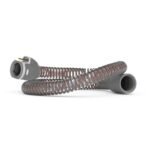
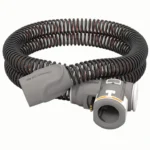 Tubes and Hoses
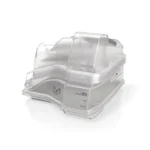 Humidifier Chambers
 Machine Filters
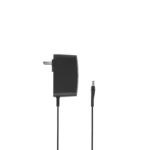 Power Cords
 Headgear
 Nasal Pillows
 Cushions and Seals


Insurance Verification for CPAP Equipment


A CPAP machine can be the turning point between exhausted mornings and a more restorative night’s sleep. But before choosing a machine, mask, or replacement supply, insurance verification for CPAP equipment helps clarify what your plan may cover, what documentation it needs, and what you may pay yourself. That clarity can make starting therapy feel far less overwhelming.
Insurance coverage for sleep apnea treatment is rarely one-size-fits-all. Your deductible, network benefits, prescription status, diagnosis, and the specific equipment selected can all affect the result. A careful verification process gives you practical information before an order is placed, so you can move forward with greater confidence.
What Insurance Verification for CPAP Equipment Checks
Insurance verification is the process of reviewing your active health plan and confirming the benefits that may apply to durable medical equipment, often called DME. CPAP and bilevel machines, masks, tubing, humidifier chambers, filters, and related therapy supplies generally fall into this category.
The review typically begins with your insurance information, including your member ID, group number, date of birth, and the name of the policyholder if that is not you. Your provider can then check whether your plan is active, whether it includes DME benefits, and whether the supplier must be in-network.
Verification also looks at the financial details that shape your out-of-pocket cost. These may include your remaining deductible, copay or coinsurance percentage, annual out-of-pocket maximum, and whether prior authorization is required. A plan might cover a CPAP machine after your deductible is met, for example, while another may require a percentage payment from you throughout the rental period.
Just as important, verification checks the clinical and administrative requirements behind coverage. Insurers commonly require a valid prescription and a qualifying sleep apnea diagnosis. They may request results from a home sleep apnea test or an in-lab study, along with clinical notes that support the need for PAP therapy.
A verified benefit is not the same as a guarantee of payment. Final claims are decided by the insurance plan after it receives the required documentation and processes the claim. Still, verifying benefits before you order is one of the best ways to prevent avoidable surprises.
Why Your Prescription and Sleep Study Matter
CPAP equipment is prescription therapy, not simply a consumer wellness purchase. Your prescription tells the equipment provider what therapy is medically appropriate, whether that is APAP, fixed-pressure CPAP, bilevel therapy, or another PAP treatment. It may also include pressure settings, mask needs, and related instructions.
For people who are newly diagnosed, the insurance file usually needs evidence of obstructive sleep apnea. A home sleep apnea test can be an appropriate path for many adults with symptoms such as loud snoring, witnessed breathing pauses, morning headaches, or persistent daytime fatigue. If your results support treatment, a qualified clinician can review the findings and provide the prescription needed to begin therapy.
If you already use CPAP, an older prescription may still be usable depending on your plan, the equipment being ordered, and the insurer’s policies. However, replacement machines and certain coverage requests can trigger updated documentation requirements. A prescription renewal through virtual care may help keep your therapy moving without adding an unnecessary in-person appointment.
The details matter because insurance companies want the prescribed equipment to match the documented medical need. Submitting a machine claim with incomplete records, an expired prescription, or a missing diagnosis can delay processing even when you have DME coverage.
Coverage Can Differ Between a Machine and Supplies
A common point of confusion is assuming that a plan covers every part of CPAP therapy in the same way. It may not. Your plan could apply one benefit structure to a PAP machine and another to masks, cushions, filters, or heated tubing.
Many insurance plans follow replacement schedules for supplies because parts that touch the face or carry airflow wear out over time. A mask cushion may be eligible more frequently than a complete mask system, while a machine is usually subject to a much longer replacement cycle. The precise schedule depends on your plan and the item being billed.
This is where comfort and coverage need to work together. A full-face mask may be a better fit if you breathe through your mouth during sleep, while nasal pillows can feel lighter for some users. Insurance may cover either option when medically appropriate, but it may limit how often you can replace or switch components. Asking about the specific items you need helps avoid ordering a supply before it is eligible under your plan.
Questions Worth Asking Before You Order
A useful insurance verification should give you more than a simple yes or no. You deserve to understand how coverage will work in real terms. Ask whether your plan requires an in-network DME supplier, whether prior authorization is needed, and whether the machine is purchased outright or rented first.
Rental arrangements are especially common with PAP therapy. Under a rental model, the insurer may pay monthly over a set period before ownership transfers to you. Your coinsurance can apply each month, and your coverage may depend on meeting the plan’s usage requirements. Some plans, including Medicare-based coverage arrangements, may ask for evidence that you are using therapy consistently after the initial setup period.
It is also smart to ask what records are needed before a claim can be submitted. Depending on your situation, that can include your prescription, sleep study report, consultation notes, and insurance card. Providing complete information at the start can reduce back-and-forth later.
Finally, ask for a cost estimate based on your current benefits. An estimate should identify the expected deductible and coinsurance responsibility, but remember that it can change if your deductible is met, your plan changes, or the insurer adjusts its determination after the claim is filed.
When Paying Directly May Be Worth Considering
Insurance is often a valuable way to manage the cost of CPAP treatment, but it is not automatically the best fit for every order. If you have a high deductible that has not been met, the insured cost may be similar to a direct purchase price. If you need equipment quickly, a prior authorization or rental process may also add time.
Direct purchase can offer more choice and a simpler checkout experience, particularly for travelers seeking a compact travel CPAP or experienced users replacing a worn accessory. It does not remove the need for a valid prescription when one is required, and you should still confirm that the selected machine and settings are right for your therapy.
The right route depends on your benefits, timing, clinical needs, and budget. There is no prize for using insurance if it creates a more expensive or frustrating path. The goal is dependable therapy that you can use comfortably, consistently, and safely.
Make Verification Part of Your Therapy Plan
Insurance paperwork may not feel connected to better sleep, but it supports the practical side of successful treatment. When you know what your plan requires, you can choose equipment with fewer unknowns and focus your energy on building a comfortable nightly routine.
At Sleep Restoration Center, the path can begin from home, whether you need a home sleep test, a virtual consultation, a prescription renewal, or help reviewing coverage for therapy equipment. Keep your insurance card, sleep study records, and prescription information available, and share any changes to your plan as soon as possible.
A little preparation before your order can protect your budget and reduce delays. More importantly, it can help you get to the part that matters most: settling into therapy, breathing better through the night, and waking up ready for the day.