 Featured Machines
 Travel CPAPs
 Most Popular Masks
 Tubes and Hoses
 Humidifier Chambers
 Machine Filters
 Power Cords
 Headgear
 Nasal Pillows
 Cushions and Seals


Best CPAP Masks for Side Sleepers: Fit First

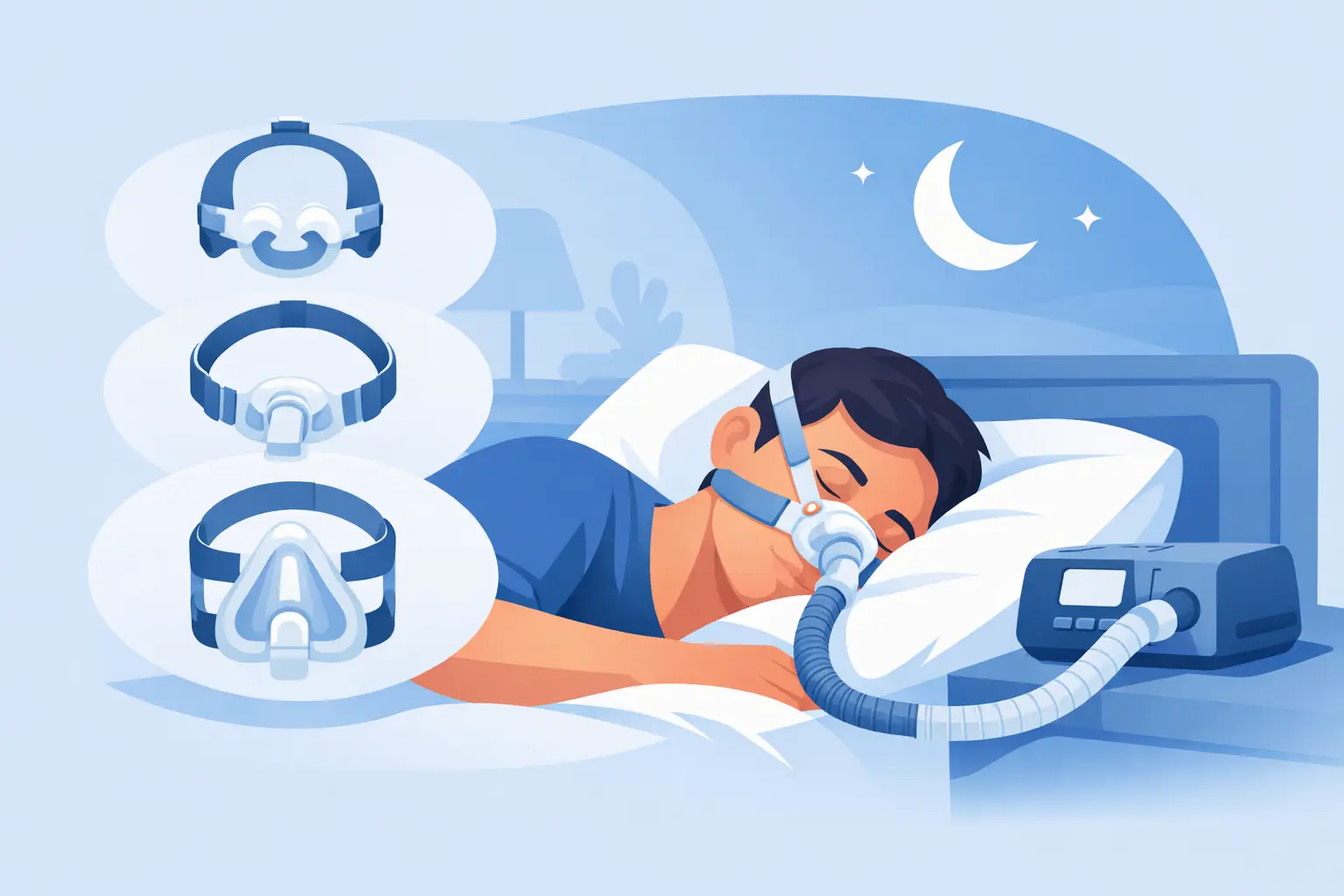
A mask can feel perfectly comfortable while you are sitting up, then start leaking the moment your cheek meets the pillow. That is why finding the best CPAP masks for side sleepers is less about choosing the smallest mask and more about finding a stable seal that works with your sleeping position, breathing habits, and prescribed pressure.
For many people, side sleeping is the most natural and comfortable position. It may also help reduce snoring and can feel easier on the back. The good news is that CPAP therapy can work very well for side sleepers. With the right mask style, careful sizing, and a few practical adjustments, you can breathe better and sleep deeper without spending the night fighting your equipment.
What makes a CPAP mask work for side sleeping?
A side-sleeper-friendly CPAP mask usually has a low-profile cushion, minimal bulk along the cheeks, and headgear that keeps the seal steady when you turn. The goal is not necessarily zero contact with the pillow. It is to prevent the pillow from pushing the cushion out of place or creating noisy leaks around the nose or mouth.
Mask choice also depends on how you breathe at night. If you reliably breathe through your nose, a nasal pillow or nasal mask may offer the least interference with your pillow. If you breathe through your mouth, wake with a dry mouth, or have frequent nasal congestion, a full-face mask may provide more dependable therapy, even though it has a larger footprint.
Pressure matters, too. Higher pressures can make a small leak more noticeable. A mask that is comfortable at lower settings may need a more secure frame, cushion, or fit adjustment as pressure needs increase. Your therapy data and comfort both deserve attention.
Best CPAP mask styles for side sleepers
There is no single best mask for every side sleeper. The right choice comes down to your facial shape, sleep position, pressure range, and whether you breathe through your nose or mouth. These styles are often worth considering.
Nasal pillow masks: best for minimal facial contact
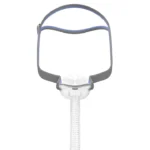
Nasal pillow masks seal at the entrance of the nostrils rather than covering the entire nose. Their small footprint makes them a popular choice for side sleepers, especially people who dislike anything touching the bridge of the nose or cheeks.
A low-profile nasal pillow design, such as the ResMed AirFit P10 style, can leave more room for a pillow and reduce the chance of the mask frame being pressed sideways. It may also feel less confining for new CPAP users.
The trade-off is that nasal pillows are best suited to people who can keep their mouth closed during sleep. If air escapes through your mouth, therapy may be less effective and you may wake feeling dry or uncomfortable. Nasal pillows can also feel too direct for some people at higher pressures, although proper sizing and humidification often help.
Nasal cradle masks: best for a clear line of sight
Nasal cradle masks rest beneath the nose, covering the nostrils without inserting into them. They are a strong middle ground for side sleepers who want a compact mask but prefer a softer, less intrusive feel than nasal pillows.
Many modern under-the-nose designs use a top-of-head tube connection. This routing can keep the hose away from your chest and arms while you turn from one side to the other. For active sleepers, that freedom can make a meaningful difference in nightly comfort.
Nasal cradle masks still require nasal breathing. If you regularly open your mouth overnight, talk with your sleep care provider about solutions such as addressing congestion, adjusting humidity, or considering a different mask type. A chin strap may help some people, but it is not the best answer for everyone.
Minimal-contact full-face masks: best for mouth breathers
If you need to breathe through your mouth, a full-face mask can protect the quality of your therapy. Traditional full-face masks cover the nose and mouth and may place more material against the pillow. However, newer hybrid and under-the-nose full-face designs can be more manageable for side sleeping.
A minimal-contact full-face option, including designs similar to the ResMed AirFit F30i, seals below the nose and around the mouth rather than across the nasal bridge. This can reduce pressure marks, preserve your line of sight, and create less bulk against the pillow than a traditional full-face mask.
The compromise is that a full-face cushion has a larger area to seal. It may take more patience to fit correctly, particularly if you sleep on your side with your face pressed firmly into the pillow. Still, for a confirmed mouth breather, a well-fitted full-face mask is often more effective and more comfortable than trying to force nasal therapy to work.
How to choose between the best CPAP masks for side sleepers
Start with your nighttime breathing pattern, not simply what looks most comfortable. A compact nasal pillow mask can be an excellent choice when you breathe through your nose and want the least possible contact. A nasal cradle mask may be preferable if you want a softer seal beneath the nose. If mouth breathing or congestion is a regular issue, a low-profile full-face mask may give you the most consistent treatment.
Then consider where the hose connects. Front-of-mask tubing is familiar and works well for many people, but a top-of-head connection may feel easier if you change sides frequently. It allows the tubing to move with you and can reduce the feeling that the hose is pulling on the mask.
Sizing is equally important. Do not assume a smaller cushion will leak less. A cushion that is too small can pinch, irritate the nostrils, or sit inside the seal area it needs to cover. One that is too large may shift as you move. Use the manufacturer’s sizing guide when available, and make small adjustments before deciding a mask is not right for you.
Make your current CPAP mask more side-sleeper friendly
Before replacing a mask, try improving the setup. Many leaks come from overtightened headgear rather than the wrong mask. Tightening straps can flatten the cushion, distort its shape, and create the very gaps you are trying to prevent.
Put your mask on while sitting up, turn on the airflow, and then lie down in your usual sleep position. Adjust the straps in tiny increments until the cushion rests comfortably against your skin. If possible, check the seal while turning from one side to the other. A mask should feel secure, not strapped down.
Your pillow can also change the fit. A standard pillow may press directly into the mask frame. Some side sleepers do well with a CPAP pillow that has cutouts for the mask and hose. Others simply benefit from using a pillow with enough support to keep the neck aligned while allowing the mask to rest near the edge instead of being buried in the pillow.
Keep the cushion clean. Facial oils, moisturizer, and makeup can make silicone slippery and more likely to leak. Wash the cushion according to its care instructions, allow it to dry fully, and replace worn cushions or stretched headgear on schedule. Regular replacement is not just about freshness – it helps maintain the seal that makes effective therapy possible.
When leaks or discomfort need more attention
A small amount of air movement from the mask’s exhalation ports is normal. Air blowing into your eyes, loud fluttering, repeated awakenings, or dry mouth are signs that something may need to change. Persistent marks, skin irritation, nasal soreness, or headaches from overly tight straps are also worth addressing.
Do not ignore ongoing leaks simply because you are still wearing the mask. Large leaks can disrupt sleep, make therapy feel less comfortable, and affect how well your machine maintains prescribed pressure. Check your machine’s nightly mask-seal information if it is available, and bring recurring concerns to your sleep care team.
Sometimes the answer is a different cushion size. Sometimes it is a humidifier adjustment, a new headgear strap, or a mask style better suited to your breathing. If your prescription has expired or your symptoms have changed, a virtual consultation can help you review your treatment needs from home.
A comfortable side-sleeping setup may take a little trial and adjustment, but it is a worthwhile part of building a routine you can maintain. The mask that helps you feel rested is the one that stays sealed, supports your prescribed therapy, and lets you settle into sleep with confidence.