 Featured Machines
 Travel CPAPs
 Most Popular Masks
 Tubes and Hoses
 Humidifier Chambers
 Machine Filters
 Power Cords
 Headgear
 Nasal Pillows
 Cushions and Seals


Understanding CPAP Insurance Claims at Home

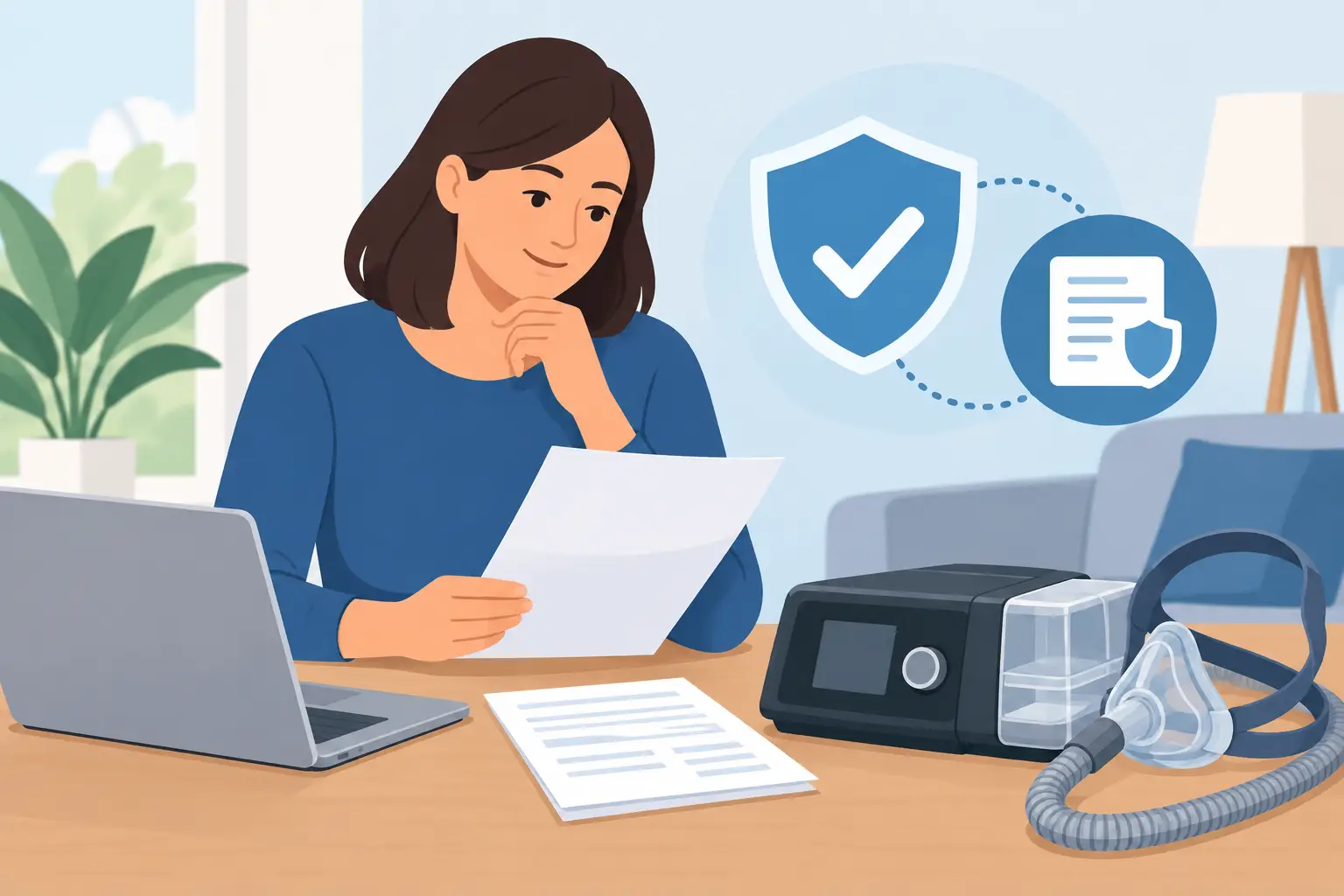
A CPAP machine can be the turning point between exhausted mornings and a more restorative night’s sleep. Yet the insurance paperwork around therapy can feel less straightforward than the treatment itself. Understanding CPAP insurance claims gives you a clearer view of what your plan may pay for, what you may owe, and how to keep replacements from becoming an unexpected expense.
For most people, the process is manageable once you know the few details insurers use to make coverage decisions: your diagnosis, prescription, plan rules, supplier status, and timing. The goal is not to become an insurance expert. It is to make informed choices so you can focus on breathing better and sleeping deeper.
How CPAP insurance claims usually work
CPAP equipment is generally classified as durable medical equipment, often called DME. Your insurance plan may cover a portion of a CPAP or bilevel machine, mask, tubing, humidifier chamber, filters, and other medically necessary supplies when you meet its requirements.
A claim is the request for payment sent to your insurer. In many cases, an in-network supplier submits it for you after confirming your benefits and collecting the information your plan needs. Depending on the supplier and your plan, you may instead pay upfront and submit documentation for possible reimbursement. Never assume the second option will be covered at the same rate, especially if a plan requires in-network purchasing.
Your explanation of benefits, or EOB, arrives after the claim is processed. It is not a bill. It shows the amount billed, the insurer’s allowed amount, what your plan paid, and the portion assigned to you. Compare it with any invoice you receive so that you understand what you are being asked to pay.
The documents insurers often require
Exact rules vary, but insurers commonly ask for a sleep apnea diagnosis from a qualifying sleep study, a valid prescription, and clinical records supporting the need for PAP therapy. A home sleep apnea test can be appropriate for many adults with suspected obstructive sleep apnea, though some situations call for an in-lab study or additional evaluation.
Your prescription should identify the therapy ordered and be current under the rules of your insurer and supplier. If you already use CPAP and need a replacement machine, a prescription renewal and supporting records may still be required. Equipment that seems familiar to you can still be new to an insurance claims system.
Verify benefits before choosing equipment
The most useful time to ask insurance questions is before an order ships. Coverage verification can help confirm whether your policy includes CPAP equipment, whether your deductible applies, and whether prior authorization is needed. It can also identify whether a specific machine or mask is covered through rental, purchase, or a particular supplier network.
Ask your insurer or coverage-verification team these practical questions:
- Is PAP therapy covered under my current medical plan, and is it subject to my deductible or coinsurance?
- Do I need prior authorization, a referral, or an in-network DME supplier?
- Will the machine be rented first, or purchased outright?
- What documentation is required from my sleep test and prescribing clinician?
- Which replacement supplies are covered, and how often?
- Does my plan require proof that I am using therapy consistently?
Write down the date of your call, the representative’s name, and any reference number. A verbal coverage estimate is helpful, but it is not a guarantee of payment. Claims are ultimately decided when the insurer reviews the submitted documentation and applies your policy terms.
Deductibles, coinsurance, and out-of-pocket costs
Even when a plan covers CPAP therapy, coverage does not necessarily mean zero cost. If you have not met your annual deductible, you may be responsible for the insurer’s allowed amount until that deductible is satisfied. Afterward, many plans pay a percentage while you pay coinsurance. A copay may apply in some cases.
For example, a plan might cover eligible DME at 80% after the deductible. That percentage applies to the allowed amount, not always the retail price. If you buy from an out-of-network supplier, the plan may pay less or nothing at all, leaving you with a larger balance.
It also helps to consider your timing. If you are close to meeting a deductible, filing an eligible CPAP claim in the same plan year may make financial sense. If your coverage is changing soon, confirm requirements with the new plan before ordering supplies or a new machine.
Rental versus purchase can change the experience
Some insurers rent a CPAP machine for a set period before transferring ownership. During the rental period, the plan may request evidence that therapy is being used as prescribed. This is sometimes called compliance monitoring.
A common benchmark is using the machine for at least four hours per night on 70% of nights during a defined early period, but the exact standard and timeframe depend on the insurer. Modern ResMed devices can record usage data that may support this requirement when shared through the appropriate clinical or supplier process.
Rental can lower the initial cost, but it may create more steps and monthly claims. Purchasing may be simpler when your plan permits it, but the upfront patient responsibility can be higher. Neither approach is automatically better. The right option depends on your benefits, budget, and the equipment you need for comfortable, consistent therapy.
Replacement supplies follow coverage schedules
Masks and supplies wear out because they are used every night. A cushion that no longer seals well can lead to leaks, noise, dry mouth, and interrupted sleep. Still, insurance usually sets replacement schedules rather than covering unlimited supplies whenever you want them.
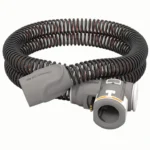
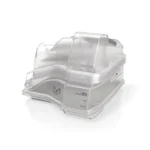
Plans may allow items such as nasal pillows, mask cushions, filters, tubing, headgear, and humidifier chambers at different intervals. The schedule can vary by insurer and plan, so a supply that was covered every month under a previous policy may not be covered at the same frequency now.
Ordering too early can result in a denial. Waiting too long can make treatment less comfortable. Keep track of when supplies were received, not simply when you placed the order. If you prefer a different mask style, confirm whether your plan treats it as a covered replacement or requires additional review.
Common reasons a CPAP claim is denied
A denial does not always mean you have no options. It means the insurer determined that the submitted claim did not meet a rule, or that it needs more information. Read the denial notice carefully because the reason tells you what to address.
Common issues include a missing or expired prescription, incomplete sleep-study documentation, lack of prior authorization, use of an out-of-network supplier, or a replacement request made before the plan’s schedule allows it. A claim may also be denied when the coding does not match the prescribed equipment or when required usage documentation has not been received during a rental period.
Start by checking for a clerical error. A supplier may be able to correct an identifier, resend documentation, or submit a corrected claim. If the denial is based on medical necessity or coverage rules, ask your insurer about its appeal process and deadline. Your prescribing clinician’s office may be able to provide supporting records when appropriate.
Do not ignore bills while a claim is being reviewed. Contact the supplier’s billing team, explain that you are disputing or appealing the decision, and ask what documentation is still needed. Keeping copies of prescriptions, EOBs, receipts, claim numbers, and insurer communications makes these conversations far easier.
Make coverage support part of your therapy routine
Insurance administration is not the reason you started CPAP therapy, but a small amount of preparation can protect your comfort and your budget. Keep your prescription current, respond promptly to requests for documentation, and use your therapy consistently if your coverage includes a compliance requirement.
Before replacing a machine or changing mask styles, check your benefits again. Plans change, deductibles reset, and network arrangements can shift from one year to the next. A provider such as Sleep Restoration Center can help bring coverage verification, prescription support, and quality CPAP equipment into a simpler at-home care path.
Your insurance claim is one part of a larger goal: giving yourself the steady, supported treatment needed for more rested days. When the paperwork is clear, it is easier to return your attention to the routine that matters most – putting on your mask, settling in, and giving your body the chance to restore itself overnight.