 Featured Machines
 Travel CPAPs
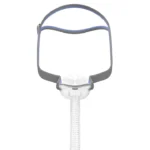 Most Popular Masks
 Tubes and Hoses
 Humidifier Chambers
 Machine Filters
 Power Cords
 Headgear
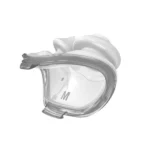 Nasal Pillows
 Cushions and Seals


CPAP Mask Fitting: Find Comfort That Lasts

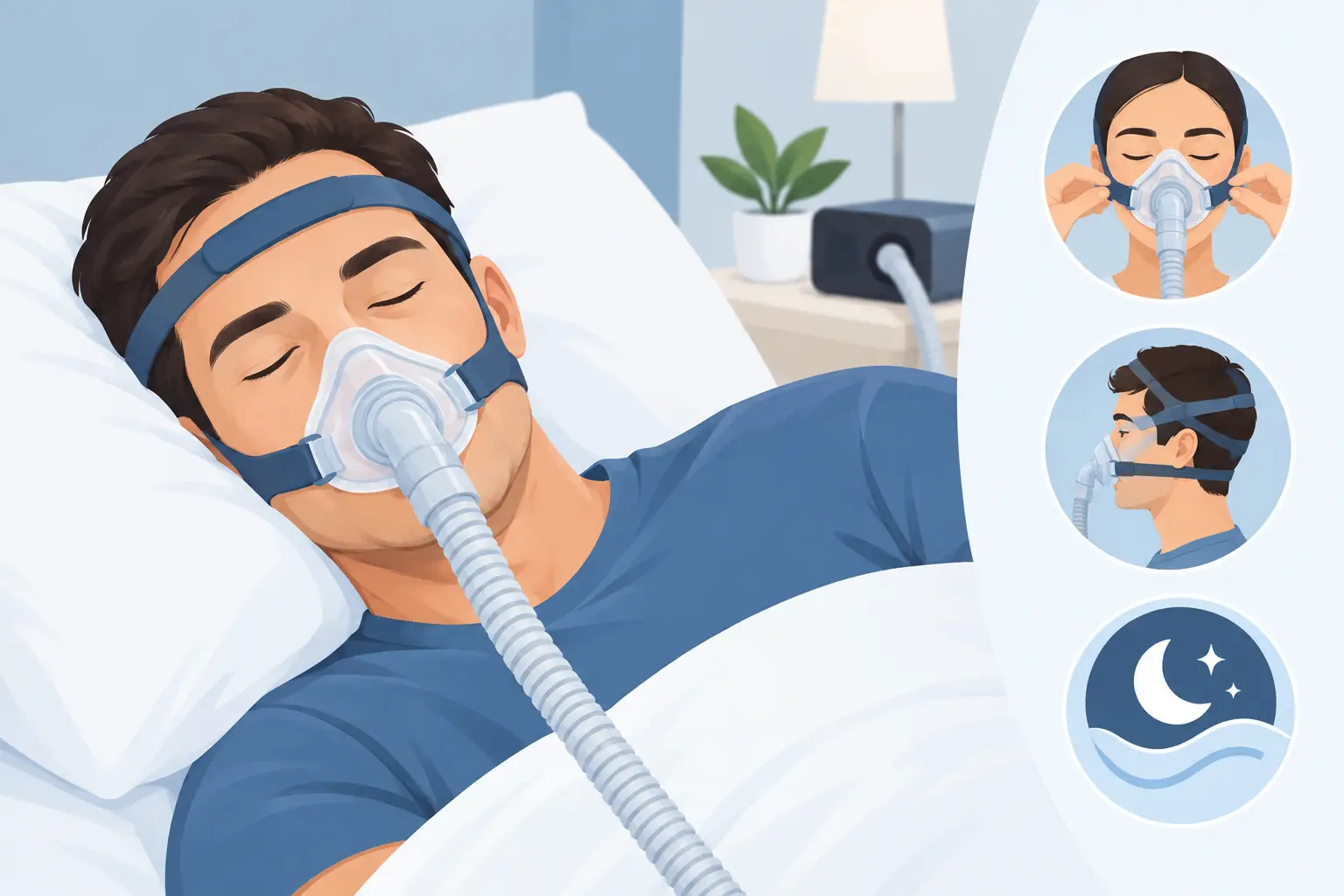
A CPAP mask can deliver effective sleep apnea therapy only when it feels comfortable enough to wear all night. That is why CPAP mask fitting matters so much. A mask that leaks, pinches, or slips can turn a restorative treatment into a frustrating bedtime routine. The right fit helps you breathe better, sleep deeper, and wake up ready for the day.
For many people, finding that fit takes a little patience. Your face shape, preferred sleeping position, pressure needs, facial hair, and whether you breathe through your nose or mouth all play a role. Small adjustments often make a meaningful difference, but a persistent problem can also be a sign that a different mask style or cushion size is the better choice.
What Good CPAP Mask Fitting Feels Like
A well-fitted CPAP mask creates a gentle, reliable seal around your nose, nostrils, or mouth without feeling overly tight. You should be able to move your head naturally on your pillow, breathe comfortably, and keep the mask in place through the night.
Some light airflow near the exhalation vents is normal. Those vents are designed to release exhaled air. Air blowing toward your eyes, whistling around the cushion, or a fluttering seal against your skin is different. Those are common signs of a leak that needs attention.
A good fit should not leave deep grooves, painful pressure points, numbness, or skin irritation in the morning. Mild temporary marks can happen, especially when starting therapy, but discomfort is not something you should simply accept. Tightening the headgear harder may seem like the obvious answer, yet overtightening often distorts the cushion and makes leaks worse.
Start With the Mask Style That Matches Your Breathing
The best mask is not necessarily the smallest or least noticeable option. It is the one that supports consistent, comfortable treatment for your individual needs.
Nasal pillows
Nasal pillow masks rest at the entrance of the nostrils. They are lightweight, have minimal facial coverage, and can be a comfortable option for people who feel confined by larger masks. They may also work well for active sleepers and those who wear glasses before bed.
Because the seal is concentrated around the nostrils, correct pillow size is essential. Pillows that are too small can feel like they are pressing inward and may cause soreness or leaks. Pillows that are too large may not settle securely against the nostrils. A gentle seal, rather than pressure inside the nose, is the goal.
Nasal masks
A nasal mask covers the nose from the bridge to just above the upper lip. It can offer a stable seal without the bulk of a full-face mask. Many users find it a practical middle ground, particularly if they breathe through their nose during sleep.
If you often wake with a dry mouth, however, you may be opening your mouth while using a nasal mask. Addressing nasal congestion, adjusting humidification, or discussing a chin strap with your care provider may help. For some people, a full-face mask is the more comfortable and dependable solution.
Full-face masks
Full-face masks cover both the nose and mouth. They are often a strong choice for regular mouth breathers, people with frequent congestion, or anyone who needs higher therapy pressure and struggles with mouth leaks.
Their larger seal area means fit is especially important. A full-face mask should rest evenly on the face, with the lower cushion positioned below the lower lip rather than sitting on it. It may take a few nights to become accustomed to the feel, but a properly sized full-face mask should not require painfully tight straps to stay sealed.
How to Fit Your CPAP Mask at Home
Try fitting your mask when you are calm and awake, ideally shortly before bedtime. Clean, dry skin gives the cushion the best chance to seal. Avoid applying facial moisturizer where the cushion touches your skin immediately before use, since oils can cause slipping.
First, disconnect or loosen the headgear enough to place the mask comfortably on your face. Hold the cushion gently in position, then attach the straps. Tighten each side gradually and evenly. The headgear should feel secure, not restrictive.
Next, turn on your CPAP machine and lie down in your usual sleeping position. Your facial muscles and pillow contact can change the fit compared with sitting upright. If your machine offers a mask-fit feature, use it to check for leaks at therapy pressure.
Move your head from side to side and take a few normal breaths. If you notice a small leak, pull the mask slightly away from your face for a moment and let the cushion reseat itself. This simple step often works better than immediately tightening the straps. Adjust in small increments, one strap at a time, until the leak settles.
For nasal pillow masks, make sure the pillows are centered and sitting gently against the nostrils. For nasal and full-face masks, check that the cushion is not folded, twisted, or caught beneath the frame. A cushion that looks fine at first glance can still leak if one edge is not lying flat.
Common Fit Problems and What They May Mean
Leaks around the eyes often mean the top straps are too loose, the cushion is sitting too high on the nose, or the cushion is worn. Reposition the mask lower on the face and make minor adjustments before tightening further.
Leaks near the mouth or lower cheeks with a full-face mask can occur when the mask sits too low, when the lower straps are too loose, or when the cushion size is not right. If you are using a nasal mask and air escapes from your mouth, the issue may be mouth breathing rather than the mask seal itself.
A sore nasal bridge may indicate that a nasal or full-face mask is overtightened, positioned too high, or simply not the best shape for your face. Consider a mask with a different frame design or a soft protective liner if your skin is sensitive. Persistent redness, broken skin, or pain deserves attention before it becomes a reason to stop therapy.
Claustrophobia is another real barrier, especially for new users. Wear the mask while reading or watching television for short periods with the machine running. This can help your body associate the mask with relaxed, normal breathing. A smaller nasal or pillow-style mask may also feel less intrusive, though it depends on whether it can control mouth leaks effectively.
If congestion makes it hard to breathe through your nose, check your humidifier settings and speak with your healthcare provider about safe options. Do not force yourself to use a mask style that leaves you feeling air-starved or anxious.
Your Cushion Has a Lifespan
Even a mask that once fit perfectly can begin leaking as its cushion ages. Facial oils, routine cleaning, and normal wear gradually affect the silicone’s ability to seal. When you find yourself tightening the straps more often, waking to leaks, or noticing that the cushion feels stiff, slippery, discolored, or misshapen, it may be time for a replacement.
Cleaning also supports a better fit. Wash the cushion regularly according to the manufacturer instructions using mild soap and warm water, then allow it to air-dry away from direct sunlight. Avoid harsh cleaners, alcohol, scented products, and oils that can damage the materials or leave irritating residue.
Replacement schedules vary by product, insurance coverage, and personal use, but it helps to think of cushions, headgear, and frames as working parts of your therapy rather than permanent accessories. Keeping fresh supplies on hand can prevent a small leak from becoming several nights of disrupted treatment.
When to Ask for Help With CPAP Mask Fitting
You do not need to solve every mask problem alone. Reach out for guidance if you have ongoing leaks despite careful adjustment, recurring skin irritation, severe dryness, panic when wearing the mask, or consistently remove it in your sleep. A virtual consultation can help identify whether the issue is sizing, mask type, pressure comfort, humidification, or another part of your setup.
At Sleep Restoration Center, treatment support is designed to make CPAP therapy more manageable from home, including help as your comfort needs change over time. The mask that works best at the start of treatment may not be the one that fits your sleep habits a year from now.
Give yourself permission to make thoughtful adjustments. A comfortable mask is not a luxury – it is one of the clearest paths to using therapy consistently and giving your body the rejuvenating night’s sleep it needs.