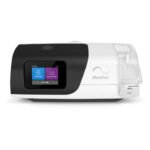
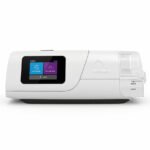
 Featured Machines
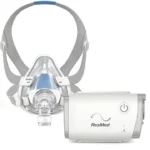 Travel CPAPs
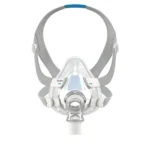
 Most Popular Masks
 Tubes and Hoses
 Humidifier Chambers
 Machine Filters
 Power Cords
 Headgear
 Nasal Pillows
 Cushions and Seals



Sleep Test Eligibility: Who Can Test at Home?

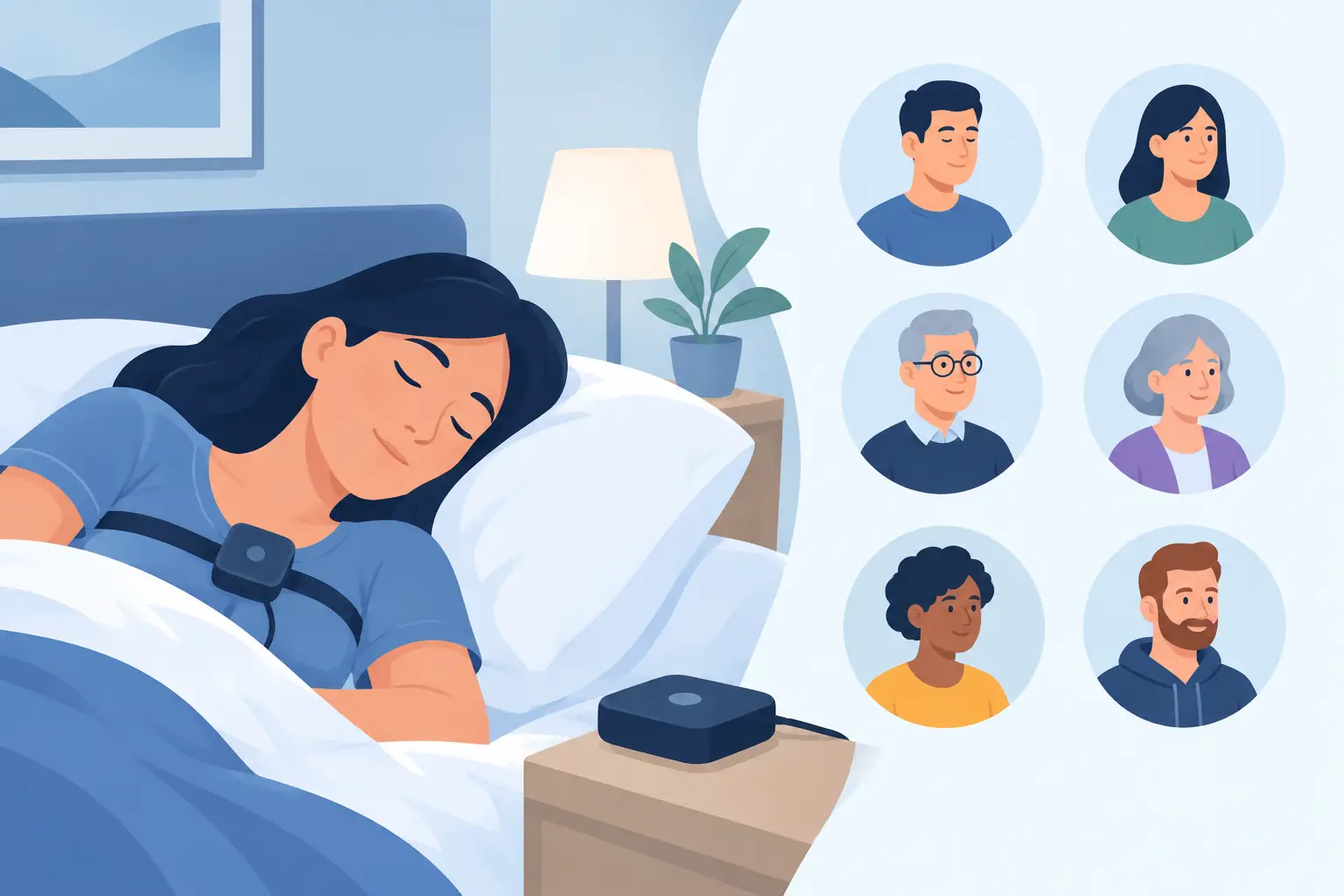
Waking up tired after a full night in bed, falling asleep during quiet moments, or hearing that you snore loudly can leave you wondering whether sleep apnea is part of the picture. Sleep test eligibility is the first step in finding out – and for many adults, a home sleep apnea test offers a private, convenient way to begin from the comfort of home.
A home test is not right for every sleep concern, but you do not need to diagnose yourself before asking for help. A qualified provider can review your symptoms, health history, and treatment needs to determine whether at-home testing is appropriate or whether an in-lab sleep study would provide safer, more complete answers.
What sleep test eligibility means
Sleep test eligibility refers to whether a particular type of sleep study is clinically appropriate for you. It is not simply a matter of having a certain symptom, age, weight, or insurance plan. A provider considers the whole picture before recommending a test.
For many adults with suspected obstructive sleep apnea, a home sleep apnea test can be an effective next step. These tests are designed to look for breathing disturbances during sleep, including repeated pauses or reductions in airflow that may indicate obstructive sleep apnea.
Home testing is focused. It does not capture every detail that a full overnight sleep study can measure, such as certain movement-related sleep disorders, unusual nighttime behaviors, or all causes of insomnia. That focus is a benefit when obstructive sleep apnea is the main concern: the process is typically simpler, more comfortable, and completed in your own bed.
Who may qualify for a home sleep apnea test?
Adults with signs of moderate to severe obstructive sleep apnea are often good candidates for home testing. The classic symptom is loud, habitual snoring, especially when a bed partner notices gasping, choking, or breathing pauses. But sleep apnea does not look the same for everyone.
You may be a candidate if you have symptoms such as persistent daytime sleepiness, morning headaches, dry mouth upon waking, restless or fragmented sleep, trouble concentrating, or frequent nighttime urination. High blood pressure, weight changes, and a family history of sleep apnea can also add useful context during an evaluation.
Symptoms matter because obstructive sleep apnea can interrupt restorative sleep repeatedly, sometimes without the sleeper remembering each event. The result may feel like exhaustion that no amount of extra time in bed seems to fix. Testing can replace uncertainty with a clearer path toward breathing better and sleeping deeper.
A virtual consultation can help determine whether your symptoms and health profile support a home test. Be prepared to discuss what happens at night, how you feel during the day, medications you take, past diagnoses, and any prior sleep testing. Honest details help your provider recommend the most appropriate option, not just the most convenient one.
A bed partner’s observations can be valuable
If someone has witnessed your sleep, their observations can be especially helpful. Snoring alone does not confirm sleep apnea, but reports of repeated breathing pauses, abrupt awakenings, or gasping may point to a pattern worth evaluating.
Living alone should not stop you from seeking testing. Many people notice their own signs, including waking suddenly short of breath, unrefreshing sleep, unexplained fatigue, or a wearable device showing frequent overnight disruptions. These clues are worth sharing, even if they seem minor.
When an in-lab sleep study may be the better choice
Home sleep tests are not intended to replace in-lab studies in every situation. If you have a complex medical history or symptoms that suggest a condition beyond straightforward obstructive sleep apnea, an overnight study in a sleep center may be recommended.
An in-lab study may be a better fit for people with significant heart or lung disease, certain neurologic conditions, suspected central sleep apnea, chronic opioid use, or a history of stroke. It may also be recommended when another sleep condition is suspected, such as narcolepsy, parasomnia, or a movement disorder that disrupts sleep.
The same may be true if severe insomnia makes it difficult to get enough sleep for a home test to produce useful data. A home sleep test can sometimes come back negative or inconclusive even when symptoms remain concerning. That does not mean your symptoms are unimportant or that you should simply push through fatigue. It may mean the next best step is further evaluation with a more comprehensive study.
This is one of the most important trade-offs to understand: home testing offers comfort and convenience, while in-lab testing can provide broader monitoring when your situation calls for it. The goal is not to force every person into one pathway. The goal is a test that gives your care team reliable information.
What happens before and during home testing
The process generally begins with a health assessment. A provider reviews your sleep concerns and medical history, then determines whether a home sleep apnea test is appropriate. If you qualify, the test is shipped or otherwise provided with instructions for use.
Most home tests use small sensors that track breathing patterns and oxygen levels while you sleep. Setup is designed to be manageable, and the test is typically worn for one night in your usual sleep environment. You can keep your normal bedtime routine as much as possible, which often makes the experience less intimidating than spending the night away from home.
It is normal to worry that you will not sleep perfectly with the device on. You do not need a perfect night for a useful test. Follow the instructions carefully, wear the sensors as directed, and aim for a typical night whenever you can. If a sensor slips off or the recording does not collect enough data, your care team can explain whether repeating the test is necessary.
Insurance, costs, and prescription questions
Clinical eligibility and insurance coverage are related but separate. A provider determines which test is medically appropriate. Your health plan then applies its own coverage rules, deductible, network requirements, and authorization policies. Insurance verification before moving forward can help clarify expected out-of-pocket costs.
If the test confirms obstructive sleep apnea, treatment may include positive airway pressure therapy, commonly called CPAP. A prescription is required for a CPAP machine. Your results and provider evaluation support that prescription, helping ensure the pressure settings and equipment recommendations match your needs.
For adults who already have a sleep apnea diagnosis, the question may be less about initial testing and more about maintaining therapy. A prescription renewal, replacement machine, new mask style, or recurring supplies may still require a review of your existing documentation and current treatment needs. If your symptoms have changed or it has been many years since your last study, a provider may recommend updated testing.
How to prepare for your eligibility review
You do not need to gather every medical record before requesting an evaluation, but a few details can make the conversation more productive. Think about when your symptoms started, whether you wake with headaches or dry mouth, how often you feel sleepy during the day, and whether anyone has observed breathing interruptions.
Also share relevant health conditions, medications, and previous sleep test results if you have them. If you have tried CPAP before, explain what worked and what did not. Mask discomfort, dry air, pressure concerns, and travel needs are all practical details that can shape a more comfortable therapy plan.
Avoid downplaying fatigue because you have grown used to it. Persistent sleepiness can affect work, driving, mood, and daily safety. If you have ever nodded off behind the wheel or struggle to stay alert while driving, seek prompt medical guidance and avoid driving when drowsy.
A clear next step toward restorative sleep
Sleep concerns can feel personal, frustrating, and easy to postpone. But testing does not have to mean an intimidating overnight stay or a complicated chain of appointments. For eligible adults, home sleep apnea testing can make it easier to take that first step privately and confidently.
Whether your path leads to an at-home test, an in-lab study, or a conversation about continuing CPAP therapy, the right evaluation can move you closer to a more rejuvenating night’s sleep – and to mornings when you feel ready to breathe easier and take on the day.