 Featured Machines
 Travel CPAPs
 Most Popular Masks
 Tubes and Hoses
 Humidifier Chambers
 Machine Filters
 Power Cords
 Headgear
 Nasal Pillows
 Cushions and Seals



Can CPAP Cause Dry Mouth? Causes and Relief

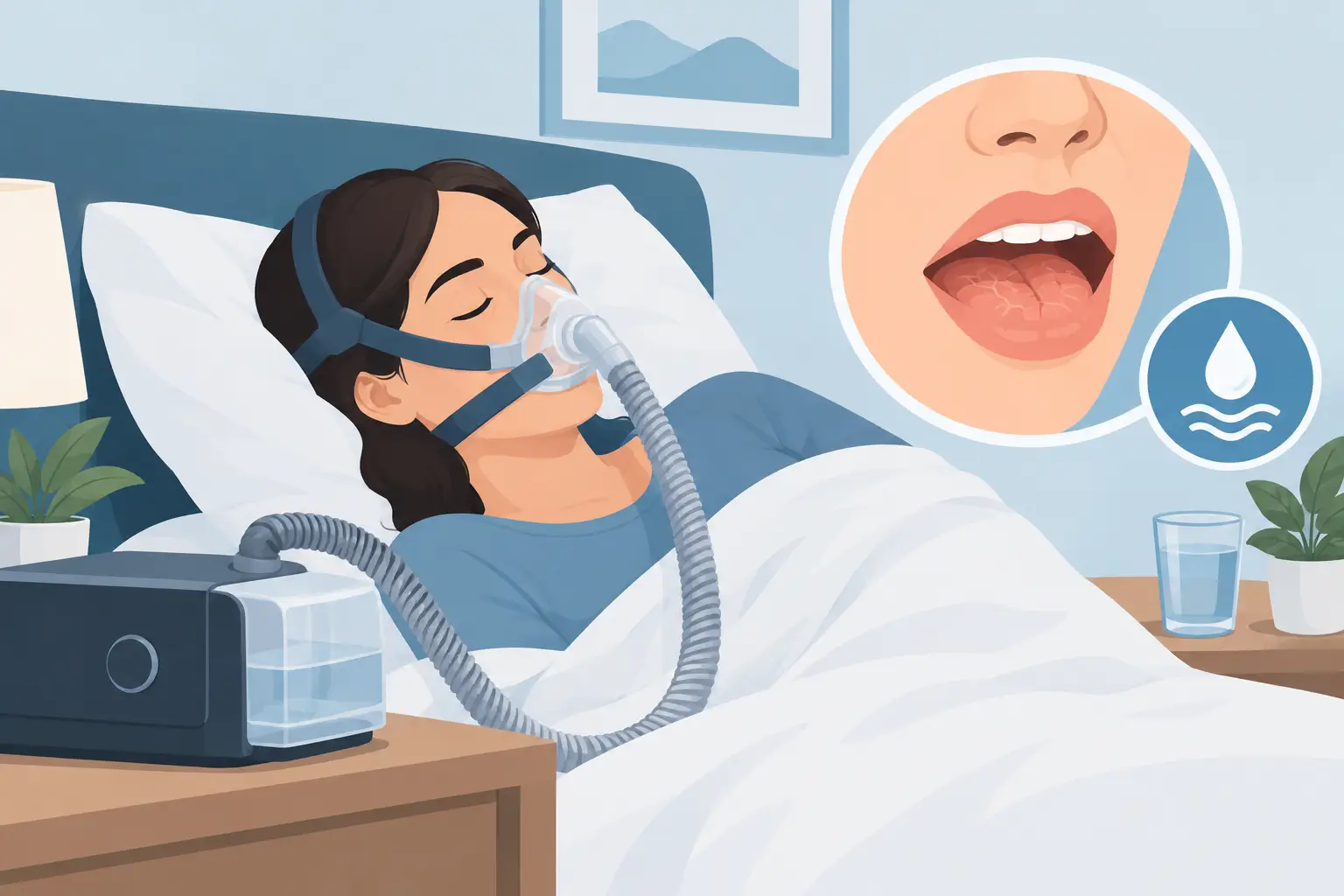
Waking with a sticky tongue, sore throat, or a need to drink water before you can speak can make a night of CPAP therapy feel less restorative than it should. Can CPAP cause dry mouth? It can contribute to it, but the machine is rarely the only reason. Dry mouth usually points to mouth breathing, air leaks, low humidity, nasal congestion, or another factor that can often be addressed without giving up on treatment.
CPAP therapy is designed to keep your airway open so you can breathe better and sleep deeper. A few thoughtful adjustments can make that airflow feel much more comfortable and help you stay consistent with the therapy that supports your health.
Why CPAP can cause dry mouth
CPAP delivers a steady stream of pressurized air. When that air passes through your nose and you keep your mouth closed, your nose helps warm and humidify it naturally. If your mouth opens during sleep, however, the airflow can dry the tissues in your mouth and throat quickly.
This is especially common for people using a nasal mask or nasal pillows. These masks can be comfortable, lightweight choices, but they rely on nasal breathing. If you begin breathing through your mouth after falling asleep, air may escape through your lips. You may notice dry mouth in the morning, a noisy leak, or a partner may hear air rushing from your mouth overnight.
A full-face mask covers both the nose and mouth, so it can be a better fit for some people who regularly breathe through their mouth. Still, it is not an automatic cure for dryness. Leaks around the mask cushion, overly dry room air, or insufficient humidifier settings can continue to cause discomfort.
The most common reasons for dry mouth with CPAP
Mouth leak during sleep
Mouth leak is one of the leading reasons CPAP users wake up dry. Your device may continue delivering therapy, but the escaping air can reduce comfort and may interfere with effective treatment. A dry mouth, a large leak reported in your device data, or waking with puffed cheeks are useful clues.
People do not always know they are opening their mouths at night. You may fall asleep breathing comfortably through your nose, then shift positions or enter deeper sleep and relax your jaw. This is why dry mouth can seem to appear suddenly, even after a good start with CPAP.
Humidity that is too low
Many modern CPAP machines include integrated humidification, which adds moisture to the airflow. When humidity is set too low, especially in a dry climate or during winter heating season, the air may irritate your nose, throat, and mouth.
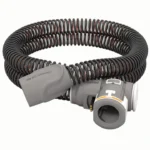
Higher is not always better, though. Raising humidity too quickly can lead to condensation in the tubing or mask, often called rainout. If you notice water droplets, gurgling, or a damp mask, try a more gradual adjustment or consider heated tubing if it is compatible with your machine. Heated tubing can help keep the air warm as it travels from the humidifier to your mask, reducing condensation while supporting comfortable moisture levels.
Nasal congestion
When your nose feels blocked, breathing through your mouth is the natural backup plan. Seasonal allergies, a cold, sinus irritation, or structural nasal concerns can make nasal CPAP therapy harder to tolerate. Even mild congestion can encourage your mouth to open after you fall asleep.
Addressing nasal comfort can be as valuable as changing a mask. Your health care provider can help you determine whether allergy treatment, a saline rinse, or another approach is appropriate for you. Avoid using medicated nasal sprays beyond their recommended duration unless a clinician advises otherwise, since some products can worsen congestion with frequent use.
Mask fit issues
A mask that is too loose may leak. One that is overtightened can also leak because the cushion becomes distorted against the skin. Either problem can create air movement that dries your mouth or wakes you during the night.
Mask cushions, headgear, and nasal pillows also wear out over time. If a mask that once fit well suddenly begins leaking, the solution may be replacement supplies rather than a major change to your therapy. Oils from the skin, regular use, and normal material wear can affect the seal.
Other causes unrelated to CPAP
Dry mouth is not always a CPAP problem. Certain medications, including some allergy medicines, antidepressants, blood pressure medicines, and sleep aids, may reduce saliva production. Alcohol, dehydration, smoking, diabetes, and some health conditions can also contribute.
If dry mouth continues even when you are not using CPAP, mention it to your primary care clinician or dentist. Persistent dryness can affect oral comfort and dental health, so it deserves attention.
How to relieve CPAP dry mouth
Start with the simplest change: check your humidifier. Fill the chamber with distilled water as directed by your device manufacturer, then increase the humidity setting one level at a time over several nights. This gives you a clearer sense of what improves comfort without causing rainout.
Next, pay attention to your mask and leak data. Refit your mask while lying down in your usual sleep position with therapy running. Your facial muscles and jaw can sit differently when you recline, so a fit that seems secure while standing may not seal the same way in bed. Clean the cushion regularly, since facial oils can make leaks more likely.
If you use a nasal mask or nasal pillows and suspect your mouth is opening, talk with your sleep care team about the right approach. Some people benefit from a chin strap designed to support the jaw. Others do better with a properly fitted full-face mask. The best choice depends on your facial structure, pressure needs, comfort preferences, and whether nasal congestion is a regular issue.
Do not use mouth tape unless you have discussed it with a qualified clinician. It is not appropriate for everyone, particularly if you have nasal obstruction, nausea risk, certain respiratory conditions, or trouble removing it independently. A safer solution may be improving nasal airflow, mask fit, or humidification.
A few daytime habits can help, too. Drink water regularly, limit alcohol close to bedtime, and keep your bedroom from becoming excessively dry. Sugar-free gum or lozenges may offer temporary daytime relief by stimulating saliva, but they are not a substitute for resolving a nighttime leak or equipment issue.
When a mask change may help
A different mask style can make CPAP therapy more comfortable, but it is worth choosing based on the actual cause of your dry mouth rather than guessing. Nasal pillows offer minimal facial contact and work well for many active sleepers, but they may not be ideal if you consistently mouth breathe. A nasal mask provides more coverage around the nose while maintaining a lighter feel than a full-face option.
A full-face mask may be worth discussing if you frequently wake with your mouth open, have ongoing nasal congestion, or see repeated mouth-leak patterns. The trade-off is that full-face masks have a larger surface area, so correct sizing and cushion placement matter even more. Comfort is personal, and the right mask is the one you can wear consistently while maintaining a reliable seal.
When to contact your care team
Reach out for support if dry mouth is severe, continues after humidity and fit adjustments, causes mouth sores, or makes you consider stopping CPAP. Your care team can review your settings, therapy data, mask type, and prescription needs. They can also help distinguish a comfort issue from a problem that requires medical evaluation.
Contact a clinician promptly if you develop trouble breathing, chest pain, facial swelling, severe sinus pain, or symptoms of an allergic reaction. Do not change prescribed pressure settings on your own to solve dryness. Lowering pressure may seem tempting, but it can leave sleep apnea undertreated.
At Sleep Restoration Center, the goal is to make PAP therapy feel like a manageable part of your at-home routine, not another reason to lose sleep. A comfortable mask, appropriate humidity, and reliable replacement supplies can turn a dry, frustrating morning into a more refreshing one. Small adjustments are often enough to help you keep breathing comfortably through the night and wake ready for the day.