 Featured Machines
 Travel CPAPs
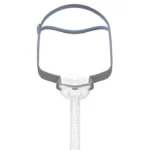 Most Popular Masks
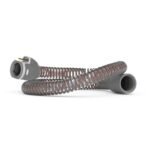
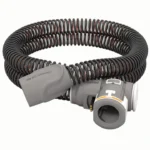 Tubes and Hoses
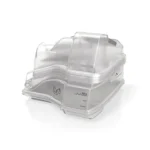 Humidifier Chambers
 Machine Filters
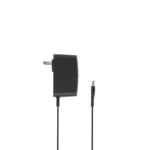 Power Cords
 Headgear
 Nasal Pillows
 Cushions and Seals



CPAP Power Cord Replacement Made Simple

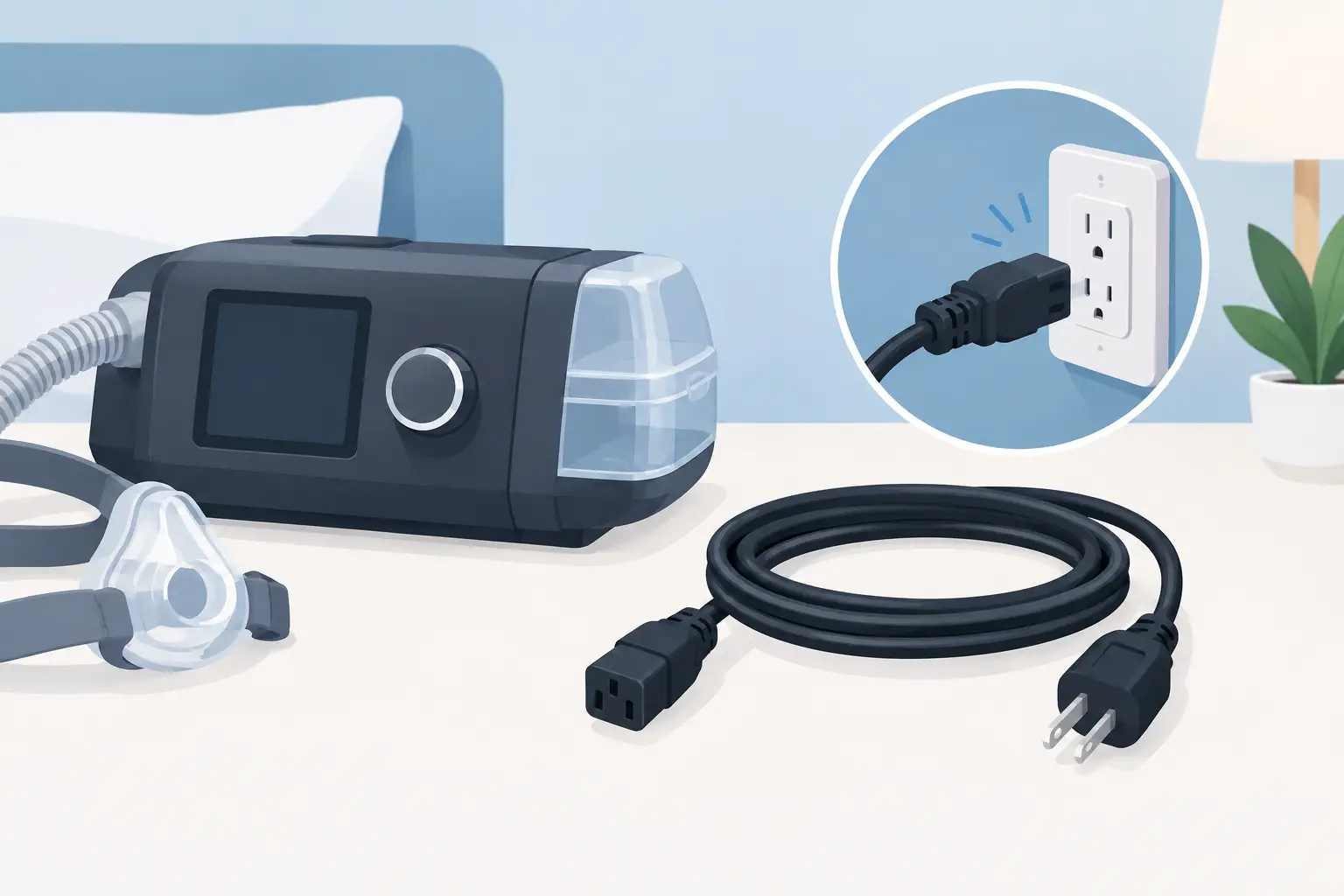
A missing or damaged cord should not stand between you and a restorative night of treatment. A CPAP power cord replacement can be a straightforward purchase, but only when it is compatible with your specific machine and used safely. The right replacement helps protect your equipment, maintain reliable therapy, and give you confidence that you can breathe better and sleep deeper.
Know Which CPAP Power Part You Need
The phrase “power cord” can describe more than one part of a CPAP setup. Before ordering, take a moment to identify what is actually missing, worn, or damaged.
Many CPAP machines use a two-piece power setup: a wall cord that plugs into the outlet and a power supply, sometimes called an AC adapter or power brick, that connects to the machine. If only the wall cord is damaged, you may need only that component. If the adapter is cracked, overheating, intermittently working, or missing, you will likely need a compatible replacement power supply and cord.
Some machines have a single integrated cord, while travel CPAP devices may use a compact proprietary adapter. The connection at the machine matters just as much as the plug at the wall. Two cords can look similar but deliver different voltage, current, or connector configurations. That is why a universal-looking cable is not always a safe substitute.
Start with the exact model name printed on your device or its label. For example, an AirSense 10, AirSense 11, AirMini, and AirCurve device do not necessarily use the same power accessories. Check your current power supply label as well, if you still have it. It typically lists electrical ratings and a part number that can help confirm the match.
Why Compatibility Matters for CPAP Power Cord Replacement
Your CPAP machine is designed to receive a particular type of power. Using an incompatible cord or adapter can lead to more than a machine that will not turn on. It may cause error messages, inconsistent operation, damage to the device, or a safety concern.
This is especially relevant for machines with heated humidification and heated tubing. These comfort features can require more power than basic airflow alone. A replacement that appears to work at first may not reliably support the machine when humidification settings rise during the night.
An original manufacturer-approved replacement is generally the simplest choice because it is designed for the machine’s electrical requirements and physical connection. A third-party option may be appropriate only when it clearly states compatibility with your exact CPAP model and has equivalent electrical specifications. If the product description is vague, lists broad compatibility without details, or does not identify the device model, it is wise to choose another option.
Saving a few dollars on an unknown adapter can become expensive if it damages a premium CPAP machine or interrupts the treatment that helps you feel rested and alert. Compatibility is not an area where guesswork pays off.
Signs It Is Time to Replace a Cord or Power Supply
A cord does not have to stop working completely before it deserves attention. Inspect it occasionally, particularly if you travel often or plug and unplug your equipment every day.
Replace the power component promptly if you see exposed wire, fraying near the plug or adapter, bent prongs, cracks in the power brick, melted plastic, discoloration, or a loose connection. A buzzing sound, unusual heat, burning smell, flickering machine display, or therapy shutting off unexpectedly also calls for immediate attention.
Do not keep using electrical tape as a long-term fix, and do not try to repair an adapter housing yourself. Unplug the equipment and use a properly matched replacement. If the machine itself is making unusual sounds, displaying an error, or failing to power on even with a known-compatible supply, it may need professional troubleshooting rather than another cord.
How to Choose the Right Replacement
The safest shopping process is simple: identify the machine, confirm the part, and consider where you use therapy. You do not need to become an electrical expert, but you should be able to verify a few essentials before ordering.
First, match the replacement to the exact brand and model of your CPAP or bilevel machine. The machine name is often on the front, bottom, or back of the unit. Next, determine whether you need a wall cord, a full external power supply, or both. If your existing adapter is functioning and only the removable cable is worn, replacing the cable may be enough.
Then consider your routine. A standard wall cord may be ideal for a bedside setup, while frequent travelers may appreciate a spare compatible power supply stored in a travel bag. Keeping a backup can prevent a forgotten cord, an accidental loss at a hotel, or a damaged cable from turning into a missed night of therapy.
If you use CPAP while traveling internationally, do not assume that every plug situation is identical. Many current CPAP power supplies are designed to accept a range of input voltages, but you should verify the label on your specific adapter before using it abroad. You may need a plug adapter for the outlet style, while a voltage converter is not always needed. The answer depends on the equipment you own and the destination’s electrical system.
For vehicle use, purchase a DC converter or battery solution made for your device rather than plugging a standard wall adapter into an unreliable inverter. A compatible travel power option can make therapy more practical during camping trips, road travel, or power-conscious travel plans.
Set Up Your Replacement Safely
Once you have the correct replacement, inspect it before use. Make sure the connector is clean, dry, and free of debris. Connect the power supply to the machine firmly but without forcing it, then plug the wall cord into the adapter and a grounded wall outlet.
Keep the power supply in a dry, open area with airflow around it. Avoid placing it under blankets, pillows, rugs, or tightly packed furniture, where heat can build up. Keep it away from humidifier spills, bedside drinks, pet water bowls, and areas where someone might step on it.
Route the cord so it does not create a trip hazard or become tightly pinched by the bed frame. Repeated bending at the connector is one of the most common causes of cord damage. A little extra slack near the machine can reduce strain when you make the bed or adjust your nightstand.
After setup, turn on the machine and let it run briefly. Confirm that the display powers up normally and that there are no warning messages. If you use humidification or heated tubing, check that those features operate as expected. If anything seems unusual, stop using the replacement and contact the seller or equipment support team for guidance.
Keep a Backup Without Overcomplicating Therapy
CPAP treatment works best when it becomes a comfortable, dependable part of your evening. A spare compatible cord or power supply is a practical safeguard, especially for travelers and anyone whose therapy is essential to feeling clear-headed during the day.
Store a backup in a labeled pouch with your travel equipment, not in a drawer where it can be confused with another household adapter. Avoid borrowing cords from laptops, routers, or other electronics just because the connector fits. The correct replacement should be identifiable, compatible, and ready when you need it.
At Sleep Restoration Center, the goal is to make ongoing CPAP care feel manageable from home, including the small replacement needs that protect your nightly routine. When your power connection is secure, you can focus less on equipment worries and more on the rejuvenating sleep your therapy is designed to support.