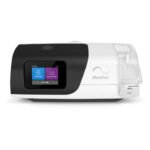
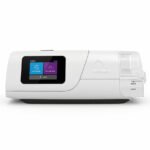
 Featured Machines
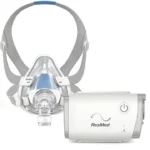 Travel CPAPs
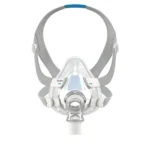
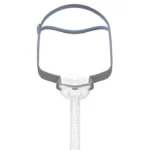 Most Popular Masks
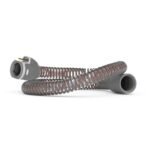
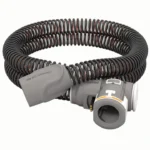 Tubes and Hoses
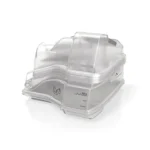 Humidifier Chambers
 Machine Filters
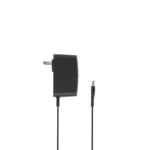 Power Cords
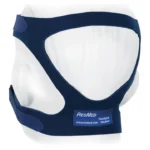 Headgear
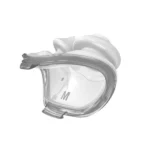 Nasal Pillows
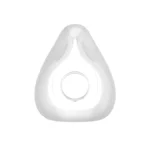 Cushions and Seals



Bilevel Versus CPAP for More Comfortable Sleep

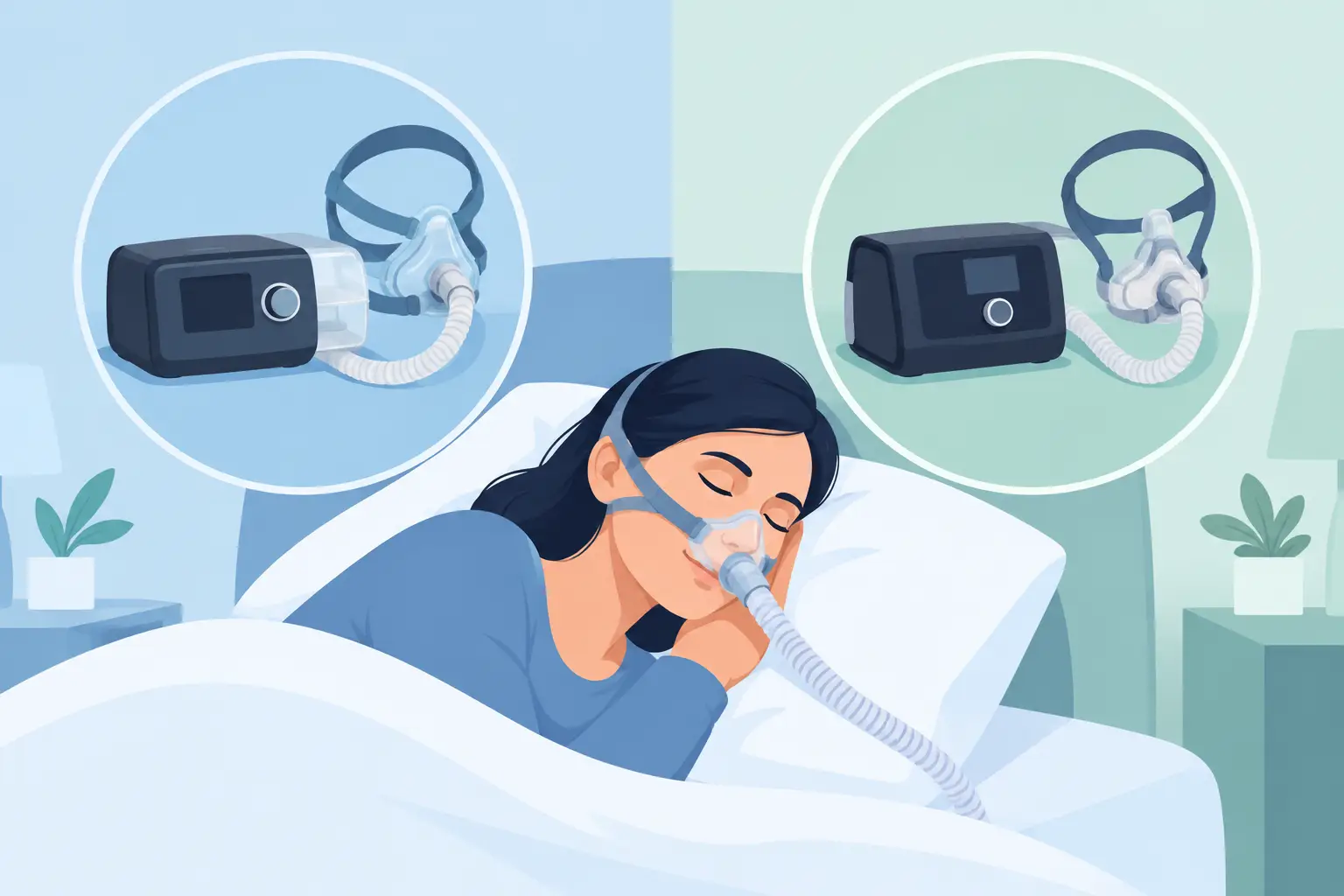
Waking up feeling like you fought your mask all night can make sleep apnea therapy feel harder than it should. When people ask about bilevel versus CPAP, they are often looking for one practical answer: which machine will help them breathe comfortably enough to use treatment consistently? The answer depends on your prescribed pressure needs, comfort with exhaling, sleep apnea diagnosis, and any other breathing conditions your clinician is managing.
Both therapies use gentle pressurized air to keep the upper airway open during sleep. Both can be highly effective when prescribed appropriately. The difference is how the pressure is delivered, and for some people, that difference can turn a difficult routine into a more restful, sustainable one.
How CPAP Therapy Works
CPAP stands for continuous positive airway pressure. A traditional CPAP machine delivers one prescribed pressure throughout the night. That steady pressure acts like an air splint, helping prevent the airway from narrowing or collapsing during obstructive sleep apnea events.
Many people begin treatment with CPAP because it is a proven, familiar therapy for obstructive sleep apnea. Modern machines can be small, quiet, and designed with comfort features such as heated humidification, ramp settings, and mask-fit tools. A ramp setting starts at a lower pressure and gradually reaches the prescribed level, which may make it easier to fall asleep.
You may also hear about APAP, or auto-adjusting positive airway pressure. APAP is often discussed alongside CPAP because it treats obstructive sleep apnea through the same basic approach. Instead of providing one fixed pressure, it works within a prescribed range and responds to breathing patterns throughout the night. Your clinician determines whether fixed CPAP or auto-adjusting therapy is appropriate for you.
For many adults with uncomplicated obstructive sleep apnea, CPAP or APAP provides effective support without adding unnecessary complexity. The best machine is not automatically the one with more settings. It is the one that meets your clinical needs and that you can use comfortably night after night.
Bilevel Versus CPAP: The Key Difference
Bilevel therapy, sometimes called BiPAP or BPAP, delivers two pressure levels rather than one. The higher pressure supports inhalation and is called IPAP, or inspiratory positive airway pressure. The lower pressure supports exhalation and is called EPAP, or expiratory positive airway pressure.
Put simply, CPAP usually maintains one pressure while you breathe in and out. Bilevel makes the pressure lower when you breathe out and higher when you breathe in. That change can feel more natural for people who need higher pressures or who have a hard time exhaling against a continuous setting.
Bilevel is not simply a premium comfort upgrade for every CPAP user. It is a distinct prescription therapy with different clinical uses. Your sleep clinician may recommend it after reviewing sleep-study results, therapy data, symptoms, and medical history.
When CPAP may be the right fit
CPAP is often a practical starting point when obstructive sleep apnea is the primary concern and prescribed pressure is well tolerated. It can offer a straightforward routine: fill the humidifier if you use one, put on your mask, start the machine, and let therapy do its work.
A person may do well with CPAP when their pressure requirements are moderate, their mask seal is reliable, and they feel comfortable breathing against the prescribed pressure. If daytime energy improves, snoring decreases, and machine data shows effective treatment, there may be no reason to switch simply because bilevel is available.
Comfort concerns should still be addressed promptly. Dry mouth, nasal congestion, air leaks, skin irritation, or a sensation of too much pressure can sometimes be improved by adjusting mask style, humidification, tubing temperature, ramp settings, or fit. A poorly fitting mask can make even the right pressure setting feel uncomfortable.
When bilevel may be considered
Bilevel therapy may be considered for people who need higher pressures and find it difficult to breathe out against continuous pressure. It may also be prescribed for certain complex sleep-related breathing patterns or respiratory conditions that require more individualized support.
For example, a clinician may explore bilevel if someone continues to struggle with pressure tolerance despite appropriate CPAP adjustments, or if therapy downloads and follow-up evaluation point to a need for a different treatment approach. Certain bilevel devices offer specialized modes that are used only under clinical direction.
That distinction matters. Do not change your own pressure settings or buy a bilevel device as a self-directed substitute for prescribed CPAP therapy. A machine is only one part of treatment. The correct mode, pressure settings, mask, and follow-up plan all work together to support safe, effective care.
Comfort Is More Than the Machine
It is easy to assume that discomfort means you need a different device. Sometimes that is true, but many common problems begin with the mask. Air leaking toward your eyes, a tight headgear strap, sore nostrils, or a full-face mask that shifts when you change position can interrupt sleep and make therapy feel frustrating.
Give yourself room to troubleshoot before deciding a therapy type has failed. Nasal masks and nasal pillows can feel lighter for some sleepers, while full-face masks may be useful for people who breathe through their mouth or deal with frequent nasal congestion. Heated humidity can ease dryness, and a heated tube may help reduce condensation in the tubing.
Consistency also takes an adjustment period. Wearing the mask for a few calm minutes before bed, using the ramp feature if prescribed, and keeping a regular bedtime can help your body adapt. If you feel claustrophobic, experience persistent aerophagia or swallowing air, wake with chest discomfort, or cannot tolerate therapy despite these changes, contact your prescribing clinician rather than pushing through alone.
Getting the Right Therapy From Home
Sleep apnea care can be manageable without making your life revolve around repeated in-person visits. For people with symptoms such as loud snoring, witnessed breathing pauses, morning headaches, or persistent daytime fatigue, a home sleep apnea test may be an appropriate first step. A qualified clinician can review the results and determine whether PAP therapy is indicated.
If you already have a diagnosis, you generally need a valid prescription to purchase a CPAP or bilevel machine. Prescription renewal, insurance verification, equipment selection, and replacement supplies can all be easier when they are organized in one place. Sleep Restoration Center supports this at-home path with virtual care options, home sleep testing, prescription services, and premium PAP equipment for eligible customers.
Insurance coverage varies by plan and may include specific documentation, compliance expectations, approved suppliers, or replacement schedules. Before choosing a machine, confirm what your plan requires and ask about your out-of-pocket costs. If you are paying without insurance, consider both the machine cost and the recurring supplies you will need, such as filters, cushions, headgear, and humidifier chambers.
Questions to Ask Before Choosing CPAP or Bilevel
The conversation with your clinician should focus on more than whether one machine sounds more comfortable. Ask what your sleep study showed, whether your diagnosis is obstructive sleep apnea alone, what pressure range or settings you need, and what signs would suggest your therapy should be adjusted.
It is also helpful to describe your actual experience, not just whether you are using the machine. Mention if you remove the mask during the night, wake feeling short of breath, struggle to exhale, notice persistent leaks, or still feel excessively tired. Downloaded therapy data can reveal patterns that are not obvious from one night of sleep.
If bilevel is prescribed, ask what each setting is intended to do and how follow-up will be handled. If CPAP is prescribed, ask which comfort features are appropriate for your needs and when you should check in if acclimation is difficult. Clear expectations can replace uncertainty with a plan you can follow.
A better night does not require guessing your way through treatment. With the right evaluation, a properly prescribed device, and a mask that feels secure, you can build a routine that supports steadier breathing, deeper sleep, and more restorative mornings.