 Featured Machines
 Travel CPAPs
 Most Popular Masks
 Tubes and Hoses
 Humidifier Chambers
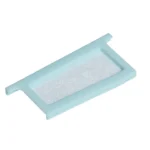 Machine Filters
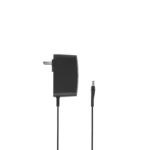 Power Cords
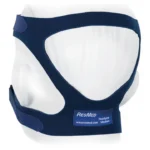 Headgear
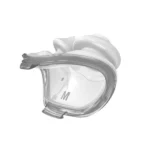 Nasal Pillows
 Cushions and Seals


When to Get a CPAP Humidifier Chamber Replacement


A dry mouth, scratchy throat, or a chamber that no longer looks clean can make a good CPAP routine feel harder than it should. A CPAP humidifier chamber replacement is a small supply update with a meaningful role in your comfort: it holds the water that adds moisture to your therapy air, helping you breathe better and sleep deeper.
For many people, humidification is what turns CPAP from something they tolerate into a routine they can maintain. Knowing when to replace the chamber, how to care for it, and how to select the correct model can help protect that restorative comfort night after night.
Why the Humidifier Chamber Matters
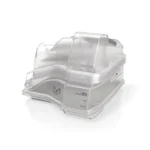
CPAP therapy delivers a steady stream of pressurized air to keep your airway open while you sleep. That air can feel drying, particularly during colder months, in dry climates, or when you breathe through your mouth. The humidifier chamber warms water from the machine’s humidifier base so moisture can be added to the airflow.
When the chamber is clean and working properly, it may help reduce dry nasal passages, dry mouth, throat irritation, and congestion associated with therapy air. It does not solve every comfort concern. Mask leaks, incorrect humidity settings, medication side effects, and nasal congestion can also contribute to dryness. Still, the chamber is a central part of a comfortable humidification setup.
Because it is exposed to water every day, this component needs more attention than parts such as the machine’s exterior. Mineral deposits, cloudiness, small cracks, and wear around the seal can develop gradually. Replacing it on schedule helps keep your therapy routine clean, reliable, and comfortable.
When Is a CPAP Humidifier Chamber Replacement Due?
Many CPAP manufacturers recommend replacing a standard water chamber about every six months. Your specific schedule can vary based on the machine model, the type of chamber, how often you use it, and the condition of the part. A chamber used every night may show wear sooner than one used only occasionally.
Rather than waiting until there is a problem, inspect the chamber each time you clean it. It is time to consider a replacement if you notice any of the following:
- Cracks, chips, warping, or a lid that does not close securely
- Cloudiness, discoloration, or mineral buildup that remains after cleaning
- A worn gasket or seal, especially if you see water around the humidifier base
- Leaks, reduced water capacity, or an unusual smell that does not resolve with proper cleaning
Even a tiny crack can lead to a leak. Water should never enter the CPAP machine’s electronics, so stop using a damaged chamber and follow your device instructions if a spill occurs. Do not try to patch or glue a chamber back together. A replacement is the safer choice.
Standard vs. Dishwasher-Safe Chambers
Some ResMed CPAP systems offer both standard and dishwasher-safe humidifier chambers. A dishwasher-safe version can be convenient for users who want a more streamlined cleaning routine, but it still needs regular inspection and eventual replacement.
The right choice depends on your machine and your habits. A standard chamber may be perfectly suitable when hand-washed consistently. A dishwasher-safe chamber may be worthwhile if it helps you stay on top of cleaning. What matters most is using a chamber designed for your exact device. An AirSense 10 chamber, for example, is not interchangeable with an AirSense 11 chamber, and bilevel machines may require their own compatible part.
How to Choose the Right Replacement Chamber
Start by identifying the exact name and model of your CPAP or bilevel machine. This information is usually printed on the device, shown in its menu, or listed in your original paperwork. Look for a replacement chamber made specifically for that model, not simply one that appears similar in a product photo.
Compatibility protects the fit between the chamber, humidifier base, and air outlet. A chamber that does not sit correctly can leak, interfere with the seal, or prevent the machine from operating as intended. If you have changed machines recently, double-check before reordering. This is especially helpful for people moving from an older ResMed AirSense device to a newer generation.
You generally do not need a new prescription to purchase a replacement humidifier chamber, although CPAP machines and many therapy components have different prescription requirements. If you are unsure about compatibility or need help maintaining an active prescription for other therapy equipment, Sleep Restoration Center can help simplify the process with knowledgeable support and online care options.
Keep Your New Chamber Cleaner for Longer
Replacing the chamber is only one part of humidifier care. The routine that follows can affect both comfort and how quickly the chamber shows wear.
Use distilled water whenever possible. Distilled water reduces mineral buildup that can collect inside the chamber when tap water evaporates. It also makes cleaning easier and helps keep the clear material from becoming cloudy prematurely. If you must use another water source while traveling, empty and rinse the chamber when you return home, then resume using distilled water.
Each morning, pour out any remaining water and allow the chamber to air-dry away from direct sunlight. Leaving water in the chamber day after day can encourage buildup and make cleaning more difficult. Do not top off old water with new water.
About once a week, wash the chamber with warm water and mild dish soap, then rinse it thoroughly. Follow the cleaning instructions for your specific chamber, particularly if it is dishwasher-safe. Avoid harsh cleaners, bleach, alcohol, scented products, and abrasive scrubbers unless your manufacturer specifically permits them. These can damage the chamber materials or leave residues you do not want in your airflow.
Adjust Humidity Before Assuming the Chamber Is the Problem
If you are waking with dryness but your chamber is clean and undamaged, look at your comfort settings before replacing the part. A higher humidity setting may help, while excessive humidity can cause condensation in the tubing, sometimes called rainout. Heated tubing or a warmer tube setting may reduce this issue by keeping the air warmer on its way to the mask.
Mask leaks matter, too. A large leak can dry your mouth and make it seem as if the humidifier is not working. If you use a nasal mask or nasal pillows and often wake with a dry mouth, you may be mouth breathing. A chin strap, a different mask style, or a fit adjustment may be more helpful than simply increasing humidity. Your sleep care team can help you sort through these possibilities.
A Few Signs You Should Check the Whole Setup
A replacement chamber is a practical solution for visible wear, leaks, or stubborn buildup. But persistent discomfort deserves a broader look. Contact your clinician or therapy provider if you have ongoing nasal irritation, frequent congestion, new breathing concerns, or dryness that continues despite a clean chamber, appropriate settings, and a well-fitting mask.
It is also wise to check the filter, tubing, mask cushion, and headgear on their recommended replacement schedules. These supplies wear differently, but they work together. Clean airflow, a secure mask seal, and comfortable humidity can make it easier to use therapy consistently, which is where CPAP can make its biggest difference.
A fresh humidifier chamber is a simple reset for one of the most comfort-focused parts of your treatment. Keep distilled water on hand, inspect the chamber regularly, and replace it before a small issue interrupts the rejuvenating night’s sleep you are working toward.