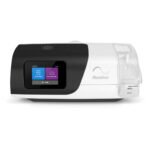
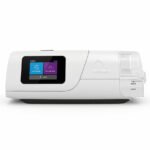
 Featured Machines
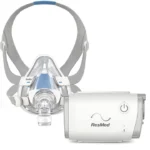 Travel CPAPs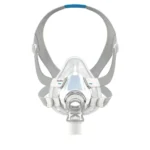
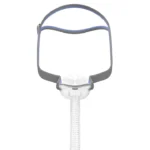 Most Popular Masks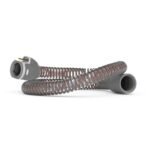
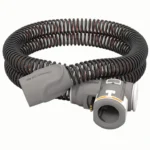 Tubes and Hoses
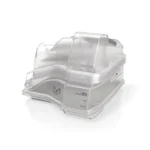 Humidifier Chambers
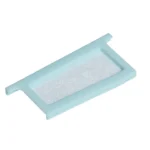 Machine Filters
 Power Cords
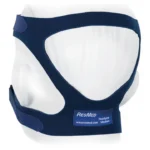 Headgear
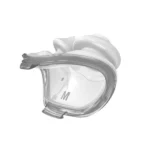 Nasal Pillows
 Cushions and Seals


CPAP Versus Oral Appliance: Which Fits You?

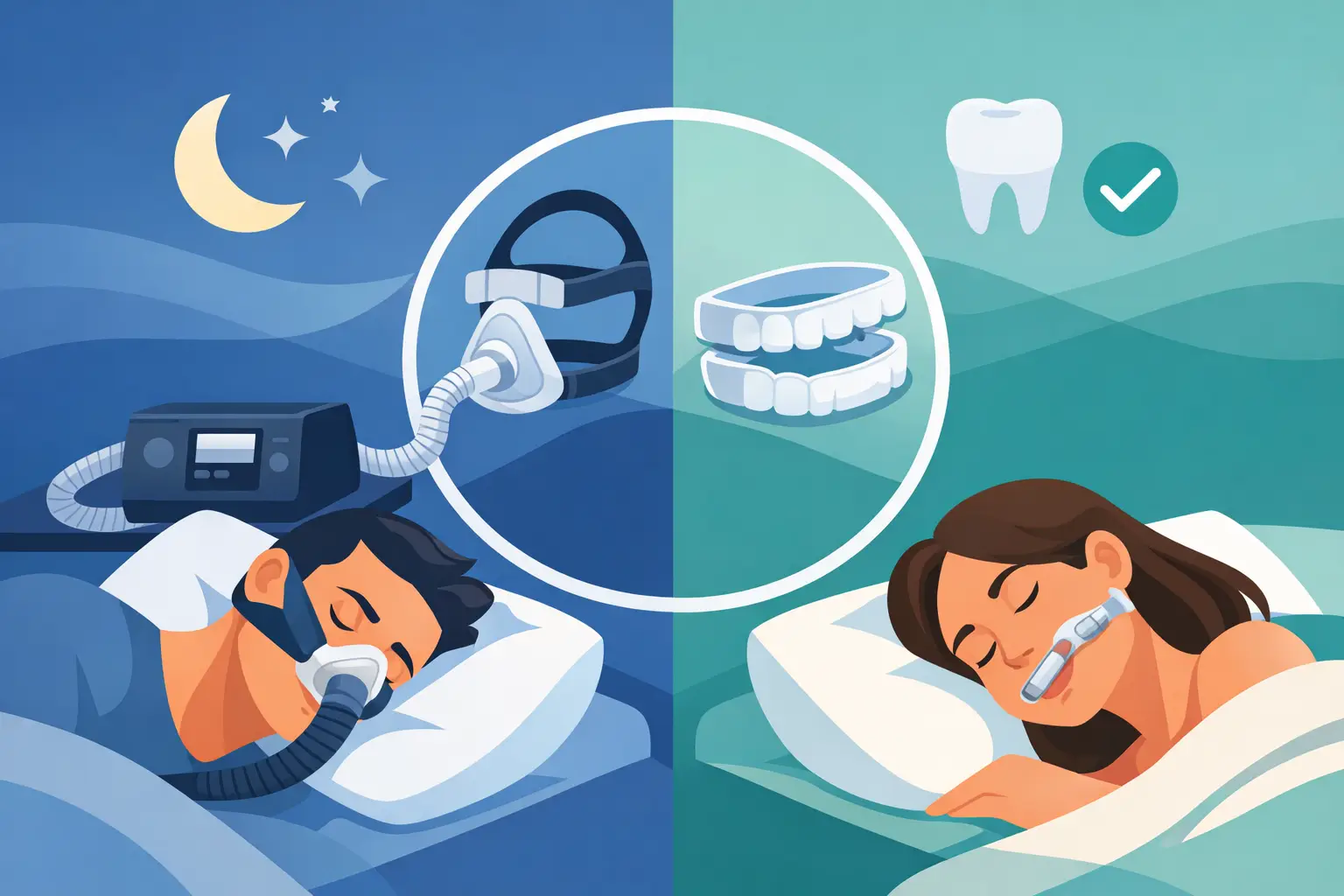
A treatment choice can feel personal when it affects how you sleep every night. In the CPAP versus oral appliance decision, the best answer is not always the smallest device or the quickest option. It is the treatment that adequately controls your obstructive sleep apnea, feels workable at home, and helps you stay consistent enough to breathe better and sleep deeper.
Obstructive sleep apnea happens when the airway repeatedly narrows or closes during sleep. Snoring, gasping, restless nights, morning headaches, and daytime fatigue can all be signs. Because untreated sleep apnea may affect heart health, blood pressure, mood, and daily alertness, choosing an effective therapy matters far beyond the bedroom.
CPAP Versus Oral Appliance: The Core Difference
CPAP, short for continuous positive airway pressure, uses a bedside machine to send a gentle stream of air through tubing and a mask. That air pressure acts like an air splint, helping keep the upper airway open while you sleep. Auto-adjusting CPAP machines can respond to changes in your breathing needs throughout the night, often making therapy more comfortable than many people expect.
An oral appliance is a custom-fitted device worn over the teeth, similar in appearance to a sports mouthguard or retainer. Most sleep apnea oral appliances move the lower jaw slightly forward. This can create more room behind the tongue and reduce airway collapse. Oral appliance therapy must be prescribed by a qualified clinician and fitted by a dentist trained in dental sleep medicine.
Both therapies can improve sleep apnea when properly selected and monitored. The meaningful difference is how reliably each one controls airway obstruction for your specific condition.
When CPAP Is Often the Stronger Choice
CPAP is widely considered the most effective treatment for obstructive sleep apnea, especially when apnea is moderate to severe. It is also often the preferred option for people whose oxygen levels fall significantly during sleep, those with substantial daytime sleepiness, or those whose sleep study shows frequent breathing interruptions in multiple sleep positions.
The reason is straightforward: CPAP does not depend as heavily on jaw position or anatomy. When the prescribed pressure is delivered through a well-fitting mask, it can prevent airway collapse consistently across many types of sleep apnea patterns.
Modern therapy is not limited to the bulky, noisy setup some people remember. Many current machines are quiet, compact, and designed with features such as automated pressure adjustment, integrated humidification, and easy-to-read sleep data. Mask options also give you room to personalize treatment. Nasal pillows provide a minimal-contact choice, nasal masks cover the nose, and full-face masks support people who breathe through their mouth at night or deal with nasal congestion.
CPAP does require a routine. You will need to wear a mask, keep the equipment clean, and replace cushions, filters, and other supplies on schedule. The adjustment period can take patience, particularly if you feel claustrophobic, experience dry mouth, or are unsure which mask style suits you. Those challenges are real, but they are frequently solvable with mask changes, humidification adjustments, gradual acclimation, and clinical support.
When an Oral Appliance May Make Sense
An oral appliance may be an appropriate option for adults with mild to moderate obstructive sleep apnea, particularly when CPAP has been difficult to tolerate. It may also be considered for some people with severe sleep apnea who cannot use CPAP, although close follow-up is especially important in that situation.
Many people are drawn to oral appliances because they are small, quiet, and easy to pack. There is no machine, hose, or power outlet to manage, which can be appealing for frequent travelers. For someone who has repeatedly tried CPAP but removes the mask after a few hours, a custom oral appliance may offer a more sustainable path to treatment.
Comfort is not guaranteed simply because the device is smaller. An appliance can cause jaw soreness, tooth discomfort, dry mouth, excess saliva, or changes in how the teeth meet over time. It is not a good fit for everyone, particularly people with certain dental conditions, missing teeth, significant gum disease, jaw joint problems, or inadequate dental support. A qualified dental evaluation is essential before treatment begins.
Over-the-counter mouthpieces should not be treated as substitutes for a custom sleep apnea appliance. A device that is not individually fitted and adjusted may be uncomfortable, may shift teeth or strain the jaw, and may not adequately treat the airway obstruction identified on your sleep study.
Effectiveness Depends on More Than the Device
It helps to separate two ideas: how well a treatment works when used and how often it is actually used. CPAP generally lowers the apnea-hypopnea index, or AHI, more effectively than an oral appliance when both are worn correctly. AHI measures the average number of breathing interruptions per hour of sleep.
But real-world success also depends on consistency. An oral appliance may be worn longer by some people who cannot adapt to CPAP. That does not make the treatments interchangeable, but it explains why a clinician may consider both effectiveness and likely adherence when making a recommendation.
The only way to know whether your treatment is working is to evaluate it. CPAP machines can provide useful therapy data, while oral appliance therapy typically requires follow-up assessment, often including repeat sleep testing after the appliance has been adjusted. Feeling less tired is encouraging, but it does not always prove that breathing interruptions and oxygen drops are fully controlled.
Comfort, Travel, and Daily Routine
For home use, CPAP offers strong treatment control and a wide range of comfort adjustments. Heated humidification can ease dryness, and a properly sized mask can dramatically change the experience. If one mask does not work, that is not a sign that CPAP has failed. It may simply mean you need a different cushion size, mask style, or pressure setting review.
For travel, an oral appliance is hard to beat for simplicity. Still, travel CPAP machines give many people the freedom to maintain effective therapy on the road without carrying a full-size device. If CPAP is the treatment that controls your apnea best, a portable setup can help you protect that progress during business trips, vacations, and family visits.
Your sleep position and nasal breathing also matter. People with positional sleep apnea may see fewer events when avoiding their back, but positional changes alone do not replace prescribed therapy unless follow-up testing confirms adequate control. Similarly, treating nasal congestion can make CPAP more comfortable, but it should not be used as a reason to ignore ongoing apnea symptoms.
Cost and Insurance Considerations
Costs vary by plan, deductible, network rules, and the type of treatment recommended. CPAP therapy often involves a machine, mask, tubing, humidifier chamber, filters, and ongoing replacement supplies. Insurance may cover some or all of these items when medical requirements and prescription rules are met.
Oral appliance therapy includes the custom device, dental fitting, and adjustment visits. Coverage can be different from CPAP coverage and may depend on whether the treating dentist and sleep provider meet your plan’s requirements. Before moving forward, verify benefits and ask what follow-up testing and replacement costs may look like.
Price matters, but a lower up-front cost is not always the better value if treatment does not adequately manage your sleep apnea. Consider the full picture: effectiveness, comfort, insurance coverage, expected maintenance, travel needs, and the support available to help you stay on therapy.
Start With a Clear Diagnosis
Choosing between therapies should begin with a sleep evaluation, not with a device preference. A home sleep apnea test can be a convenient first step for many adults with symptoms of obstructive sleep apnea. It can help identify the severity and pattern of breathing interruptions from the privacy and comfort of home.
Once you have results, a qualified provider can discuss whether CPAP, an oral appliance, or another approach fits your medical needs. If you already have a diagnosis but your current CPAP setup feels uncomfortable, do not assume you must start over. A virtual consultation, prescription renewal, or a new mask style may be all you need to make therapy more comfortable.
Sleep Restoration Center supports an at-home path that can include sleep testing, virtual guidance, prescription support, insurance verification, and quality CPAP equipment for people who are ready to restore a more rejuvenating night’s sleep.
The right treatment is the one that protects your breathing and becomes a routine you can live with. Ask for help, give comfort adjustments a fair chance, and let follow-up results guide the next step toward steadier nights and more energized days.