 Featured Machines
 Travel CPAPs
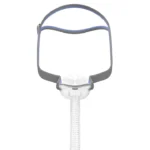 Most Popular Masks
 Tubes and Hoses
 Humidifier Chambers
 Machine Filters
 Power Cords
 Headgear
 Nasal Pillows
 Cushions and Seals


APAP Versus Fixed CPAP Therapy: Which Is Best?

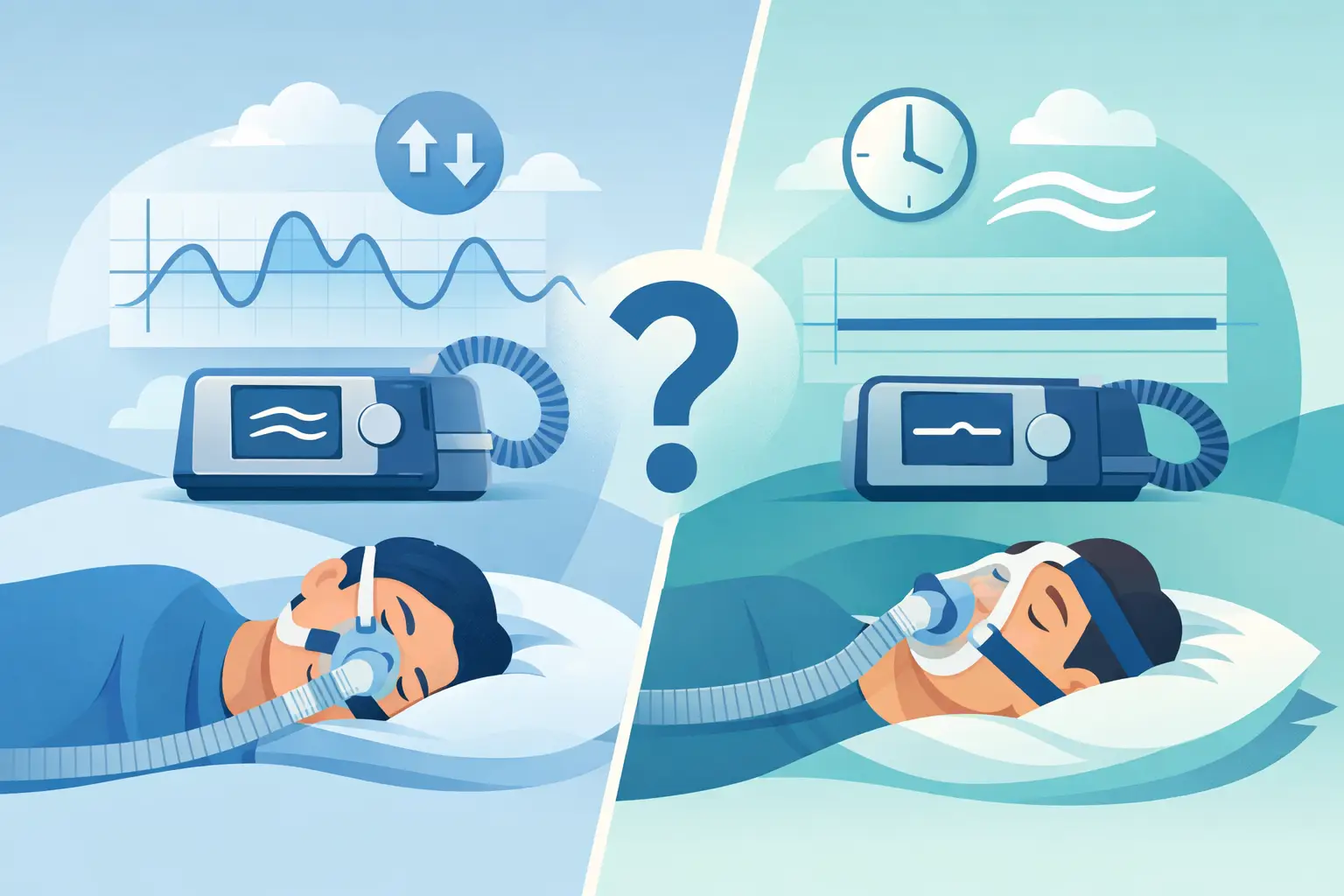
A sleep apnea machine can feel very different at 2 a.m. than it does during a quick setup appointment. If you are starting treatment, replacing an older device, or trying to improve comfort, APAP versus fixed CPAP therapy is a decision worth understanding. Both therapies use gentle, pressurized air to keep the airway open during sleep. The best choice is not always the machine with the most features. It is the one that delivers effective treatment in a way you can use comfortably and consistently.
For many people, PAP therapy becomes a manageable at-home routine that supports quieter nights, clearer mornings, and more restorative sleep. Knowing how APAP and fixed-pressure CPAP differ can help you have a more confident conversation with your sleep provider.
How PAP Therapy Keeps Your Airway Open
Obstructive sleep apnea happens when the upper airway repeatedly narrows or closes during sleep. A PAP machine sends air through tubing and a mask, creating enough pressure to help prevent those breathing interruptions. This is not oxygen. It is room air delivered at a prescribed pressure.
The key difference between machine types is how that pressure is delivered. Fixed CPAP provides one set pressure throughout the night. APAP, also called auto-adjusting positive airway pressure, works within a prescribed pressure range and can adjust in response to signs that more or less pressure may be needed.
Both can be highly effective when settings are appropriate, the mask seal is secure, and the therapy is used regularly. The goal is not to chase a particular machine type. The goal is to breathe better and sleep deeper with treatment that fits your needs.
APAP Versus Fixed CPAP Therapy: The Core Difference
With fixed CPAP therapy, a clinician prescribes one pressure level, such as 10 cm H2O. The machine delivers that pressure from the time you turn it on until you wake up. This approach is straightforward and predictable. Some people appreciate knowing exactly what to expect each night.
An APAP machine is programmed with a minimum and maximum pressure, such as 6 to 14 cm H2O. It uses sensors and algorithms to respond to breathing patterns that may suggest airway narrowing, then increases or decreases pressure within that range. Many premium auto-adjusting devices also collect detailed therapy data that can help a provider review treatment response.
APAP does not simply mean “better” or “more comfortable” for everyone. A properly prescribed fixed pressure can work exceptionally well. Likewise, an APAP needs thoughtful settings. A range that is too broad or a minimum pressure that is too low may not provide the most comfortable or effective experience for every sleeper.
When APAP May Be a Good Fit
Pressure needs can change from one part of the night to another. They may rise during REM sleep, when sleeping on your back, after alcohol use, with nasal congestion, or with changes in body weight. APAP can be useful when a person’s pressure requirements vary in these ways.
Some new users also find APAP easier to settle into because the machine may spend portions of the night at a lower pressure and increase only when needed. That said, comfort depends on more than pressure. Mask fit, humidity, ramp settings, leak control, and exhalation relief can all have a major effect on whether therapy feels natural.
APAP can also support home-based care pathways. After a home sleep apnea test and a clinician’s review, an auto-adjusting machine may allow the provider to assess treatment data and refine settings without requiring an overnight pressure-titration study in a sleep lab. Whether that approach is appropriate depends on your medical history, sleep-study results, and provider’s judgment.
When Fixed CPAP May Make More Sense
Fixed CPAP is often an excellent choice for people whose effective pressure is well established. If you have used one pressure successfully for years, there may be no clinical reason to change what is working. Consistent pressure can feel reassuring, particularly for users who notice every small change in airflow.
A fixed-pressure setting may also be preferred when a provider wants tightly controlled therapy based on your specific needs. Some people sleep better with stable airflow rather than the subtle adjustments of an auto machine. If APAP pressure changes wake you or feel uncomfortable, a fixed setting may be worth discussing.
There are also sleep-related breathing conditions and medical circumstances where standard APAP may not be the right first choice. Central sleep apnea, certain heart or lung conditions, chronic opioid use, significant hypoventilation, and complex PAP needs can require closer clinical evaluation or a different type of device, such as bilevel therapy. Never change prescribed settings on your own to solve persistent symptoms.
Comfort Is More Than the Machine Setting
It is easy to blame pressure when therapy feels difficult. Sometimes pressure is the issue, but just as often the cause is a leaking mask, dry mouth, nasal irritation, or a mask style that does not match how you sleep.
A nasal mask or nasal pillows can feel lighter for people who breathe comfortably through their nose. A full-face mask may be more practical if you breathe through your mouth, have frequent congestion, or wake with a dry mouth. A properly sized cushion should seal gently, not require overly tight headgear. Overtightening can create leaks and facial pressure marks rather than fixing them.
Humidification can make a meaningful difference, especially in dry climates or heated homes. Heated tubing may further reduce dryness and condensation. Features such as ramp time and expiratory pressure relief can also make it easier to fall asleep and exhale against pressure. These comfort tools are available on many APAP and fixed CPAP devices, so they are not reasons by themselves to choose one mode over another.
What to Discuss With Your Sleep Provider
Your prescription, sleep-study findings, health history, and nightly experience should guide the decision. Before choosing or changing therapy, share details that may affect pressure needs: whether you sleep on your back, have nasal blockage, wake feeling short of breath, remove the mask overnight, or still feel excessively sleepy during the day.
It also helps to ask how your therapy will be monitored. Modern PAP devices can provide useful information about usage, mask leak, residual breathing events, and pressure patterns. Those numbers are valuable, but they need context. A low event count is encouraging, yet it does not replace telling your provider if you are waking frequently, struggling with the mask, or still feeling unrefreshed.
If you already have a prescription, confirm whether it specifies fixed CPAP, APAP, or a pressure range. If you need a new or renewed prescription, a virtual consultation and home sleep testing process may offer a convenient way to take the next step while keeping care connected to your treatment needs.
Common Questions About APAP and Fixed CPAP
Does APAP always use less pressure?
Not necessarily. APAP may use lower pressure during periods when your airway is stable, but it can increase to a higher level when needed. Your average pressure could be lower, similar, or occasionally higher than a fixed CPAP setting.
Can a fixed CPAP machine be changed to APAP mode?
Some devices are capable of both modes, but the mode and settings should be selected by a qualified provider according to your prescription. Machine capability is not the same as clinical suitability.
Which therapy is better for travel?
Either can work well for travel if it meets your prescription and treatment needs. Travel PAP devices are smaller and easier to pack, though their humidification options, noise profile, and power requirements can differ from a bedside machine. Frequent travelers should plan for compatible power options and carry their prescription information.
What if I still snore while using PAP therapy?
Occasional noise does not always mean therapy has failed, but regular snoring, witnessed breathing pauses, worsening fatigue, or repeated awakenings deserve follow-up. A mask leak, mouth breathing, congestion, or pressure setting issue may be involved. Your provider can review data and symptoms to decide what needs attention.
The most effective PAP therapy is the one you can return to night after night. Whether that is APAP or fixed CPAP, give yourself room to adjust, address comfort concerns early, and use your care team as a resource. A well-supported treatment routine can make a real difference in how rested, alert, and ready for the day you feel.