 Featured Machines
 Travel CPAPs
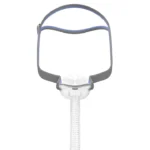 Most Popular Masks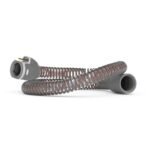
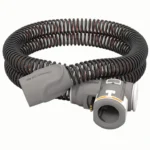 Tubes and Hoses
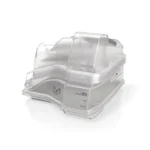 Humidifier Chambers
 Machine Filters
 Power Cords
 Headgear
 Nasal Pillows
 Cushions and Seals


CPAP Pressure Settings: What Your Numbers Mean

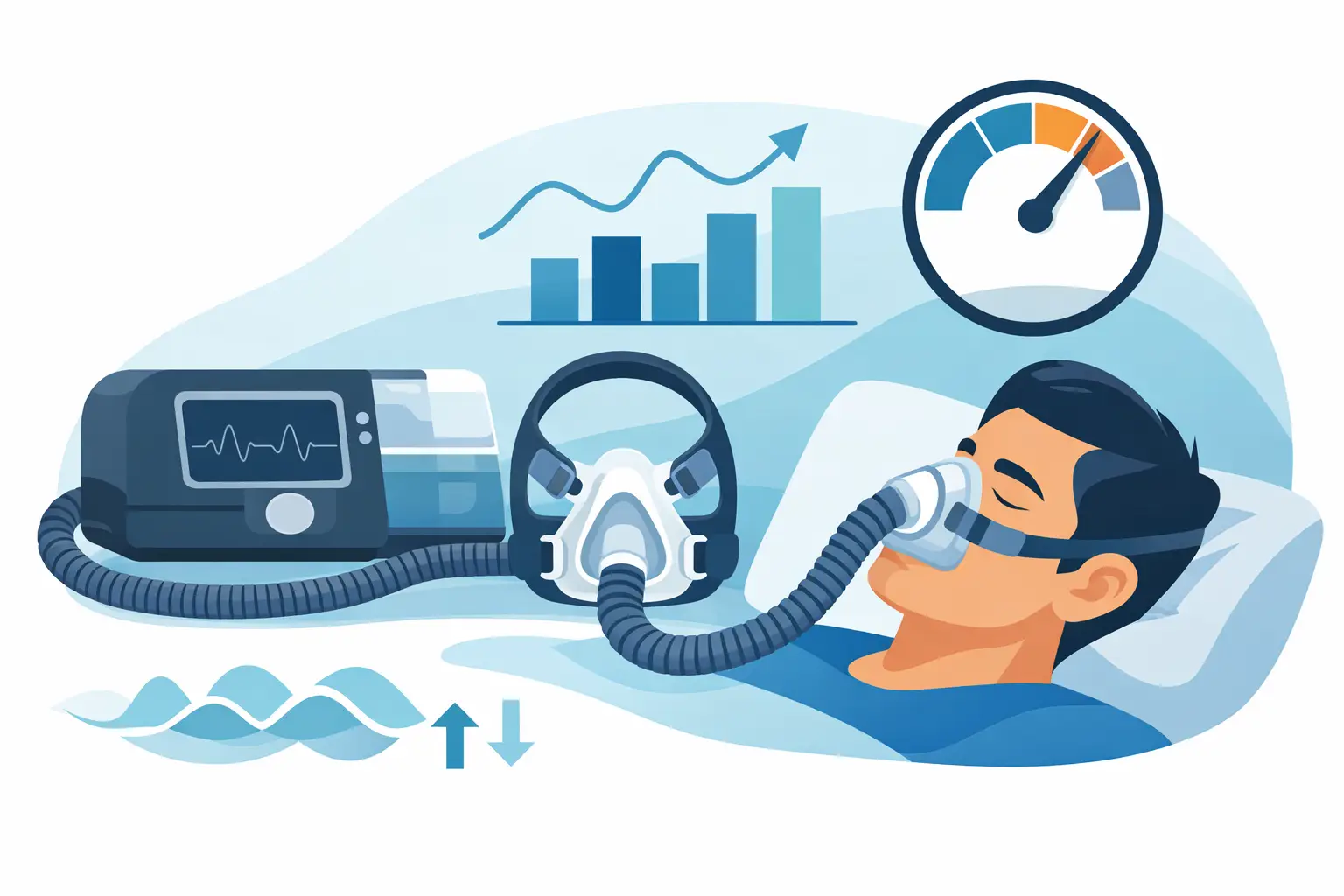
A CPAP machine is meant to make breathing feel steadier, not forceful. Your CPAP pressure settings are the prescribed levels of air pressure that keep your airway open while you sleep, helping prevent the pauses in breathing, snoring, and oxygen drops caused by obstructive sleep apnea. Understanding the numbers on your machine can make therapy feel far less mysterious and help you recognize when a comfort issue deserves attention.
The most useful rule is simple: pressure settings are personal. A number that feels comfortable and effective for one person may be too low, too high, or simply unsuitable for another. Your sleep study results, symptoms, mask fit, body position, medications, nasal congestion, and changes in weight can all affect what works best.
What CPAP pressure settings actually do
CPAP stands for continuous positive airway pressure. The machine sends a gentle stream of pressurized air through tubing and your mask. That air acts like a soft air splint, supporting the tissues in the back of your throat so they are less likely to collapse during sleep.
Pressure is measured in centimeters of water pressure, written as cm H2O. Most prescribed pressures fall somewhere between 4 and 20 cm H2O, though a common range does not tell you what your personal prescription should be. The right setting is the one that controls breathing events while you can sleep comfortably and use the therapy consistently.
When pressure is too low, you may continue to snore, wake gasping, feel unrefreshed, or see a high apnea-hypopnea index, often called AHI, in your therapy data. When it is too high, you might notice air leaks, dry mouth, stomach bloating, or discomfort that makes it hard to keep the mask on. Those signs need context. A leaking mask or blocked nose, for example, can create symptoms that look like a pressure problem.
Fixed pressure vs. automatic CPAP settings
A standard fixed-pressure CPAP delivers one prescribed pressure all night. This approach can be effective when a clinician has identified a pressure that reliably treats your sleep apnea. Some people also appreciate its predictability.
An auto-adjusting CPAP, often called APAP or Auto CPAP, works within a prescribed minimum and maximum range. It monitors breathing patterns and adjusts pressure as needed within those limits. For example, a prescribed range might allow the machine to use lower pressure during stable breathing and increase support if it detects airway narrowing, snoring, or obstructive events.
Auto-adjusting therapy can be especially helpful when your pressure needs vary through the night. Many people need more pressure during REM sleep, when sleeping on their back, or during periods of congestion. It does not mean the device is guessing without guidance. The minimum and maximum settings are still prescribed, and the machine data should be reviewed to confirm that the range is working well.
A narrow range may feel more consistent, while a wider range can give the machine more room to respond. Neither is automatically better. The best range balances effective treatment with comfort and is based on your clinical needs.
Why the minimum setting matters
With an auto-adjusting machine, the minimum pressure is more than a starting point. If it is set too low, the device may take too long to reach the pressure you need after an obstruction begins. You may wake during those adjustments or continue to experience events early in the night.
On the other hand, increasing the minimum without clinical guidance can worsen leaks or discomfort. Your therapy report, symptoms, and sleep history all matter more than any one number viewed in isolation.
Comfort features that can change how pressure feels
Several settings affect the sensation of CPAP therapy without replacing your prescribed treatment pressure. Knowing the difference can help you describe concerns clearly to your care team.
Ramp starts therapy at a lower pressure and gradually increases it over a set time. This can make it easier to fall asleep, particularly for new users. If you feel air hungry while the ramp is active, the starting pressure or ramp configuration may need review.
Expiratory pressure relief lowers pressure slightly when you breathe out and returns to prescribed support when you breathe in. ResMed machines may refer to this feature as EPR. For many users, it makes exhaling feel more natural. Because it changes the pressure experience, it should be set up according to your provider’s guidance.
Heated humidification and heated tubing do not change pressure, but they can dramatically affect comfort. Dryness, nasal irritation, and congestion may make normal pressure feel difficult to tolerate. Adjusting humidity or tube temperature can help, although too much humidity can cause condensation in the tubing.
Mask choice matters just as much. A nasal mask or nasal pillows can feel lighter at lower leak levels when you breathe comfortably through your nose. A full-face mask may be a better fit if you regularly breathe through your mouth or deal with significant nasal blockage. Persistent leaks can make pressure seem harsh, create noise, and interfere with effective therapy.
Do not change prescribed pressure on your own
It can be tempting to raise a setting after one tired morning or lower it after one uncomfortable night. Avoid making changes to prescribed CPAP pressure settings without advice from a qualified sleep care provider. A machine display or app can provide useful information, but data trends need to be interpreted alongside your diagnosis, symptoms, mask leak, and adherence.
Reach out for support if you notice ongoing snoring, waking short of breath, repeated mask removal, frequent air leaks, morning headaches, excessive daytime sleepiness, or consistently elevated event readings. These issues do not always mean your pressure needs to change. Your provider may first look at mask fit, humidity, tubing connections, sleep position, or whether central apnea events are present.
Contact a clinician promptly if you develop new chest pain, severe shortness of breath, or concerning symptoms that feel urgent. CPAP therapy supports obstructive sleep apnea, but it is not a substitute for urgent medical evaluation.
When a different type of PAP therapy may help
Some people need more individualized support than standard CPAP can provide. If higher pressures are difficult to tolerate, bilevel therapy may be considered. A bilevel device provides one pressure for inhaling and a lower pressure for exhaling, which can make breathing more comfortable for certain patients.
Bilevel therapy is not simply an upgrade for anyone who dislikes CPAP. It is prescribed when clinical circumstances support it, such as difficulty tolerating high pressures or specific breathing conditions. Your clinician can determine whether a pressure adjustment, comfort feature, different mask, or a different device type is the appropriate next step.
Getting a useful pressure review from home
Remote care can make follow-up easier when you are starting therapy or when your needs change. Before a virtual appointment, write down what you are experiencing rather than focusing only on a single pressure number. Note when you wake, whether you feel bloated or dry, whether leaks occur around the eyes or mouth, and how rested you feel during the day.
If your machine provides sleep data, have recent usage, leak, and event information available. Consistent use gives your care team a clearer picture than a few isolated nights. Bring up practical details too: a new mask, seasonal allergies, recent travel, illness, or a change in sleep position can all affect your experience.
At Sleep Restoration Center, home sleep testing, virtual support, prescription renewal, and therapy equipment can help keep this process more connected and manageable. The goal is not to chase a perfect-looking number. It is to build a comfortable routine that supports effective treatment night after night.
Better sleep often begins with small, well-guided adjustments: a properly fitted mask, comfortable humidity, and pressure settings reviewed by a qualified provider. Give yourself time to adapt, ask for help when something feels off, and let your therapy support the deeper, more restorative sleep your body needs.