 Featured Machines
 Travel CPAPs
 Most Popular Masks
 Tubes and Hoses
 Humidifier Chambers
 Machine Filters
 Power Cords
 Headgear
 Nasal Pillows
 Cushions and Seals



Home Sleep Test Setup for Clearer Answers

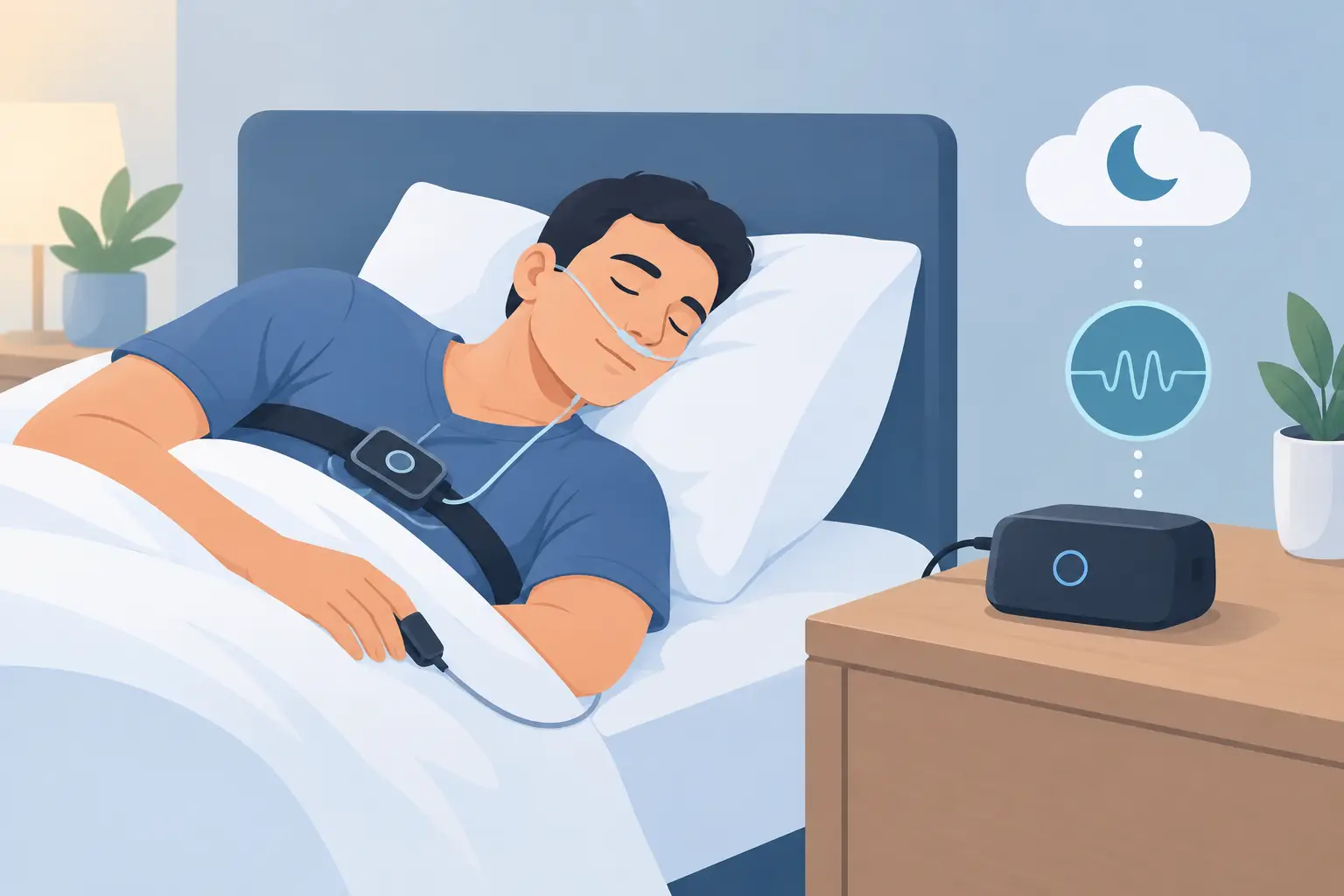
A home sleep test is meant to capture what happens on a typical night in your own bed, not test how well you can sleep with unfamiliar equipment. A thoughtful home sleep test setup helps the device collect useful information while letting you follow your usual bedtime routine as closely as possible. The goal is simple: a comfortable night, clear data, and a confident next step toward breathing better and sleeping deeper.
What a Home Sleep Test Measures
Home sleep apnea tests are designed primarily to look for signs of obstructive sleep apnea. Depending on the device prescribed for you, it may track your breathing, airflow, blood oxygen level, heart rate, body position, and snoring. Your sleep care provider reviews the recorded information to determine whether sleep apnea may be affecting your rest.
This is different from an in-lab sleep study. A home test is often a convenient fit for adults with symptoms such as loud, persistent snoring; witnessed pauses in breathing; waking up gasping; morning headaches; or daytime fatigue. It is private, practical, and completed where you normally sleep.
Still, home testing is not the right choice for every situation. If you have certain heart, lung, or neuromuscular conditions, use oxygen, have complex sleep concerns, or receive an unclear home-test result, your provider may recommend additional evaluation. A negative result does not always rule out sleep apnea when symptoms remain strong. That is why the clinical review matters as much as the device itself.
Prepare Earlier in the Day
The best preparation is usually the least dramatic. Keep your day and evening reasonably normal unless your care team gives you specific instructions. Drastic changes to your habits can make the night less representative of your typical sleep.
Avoid an unusually long nap if you can, since it may make it harder to fall asleep. Be mindful of alcohol or sedating medications, especially if they are not part of your normal routine. Alcohol can worsen airway collapse and change sleep patterns, while new sleep aids may affect the data and how safely you use the equipment. Never stop or alter a prescribed medication without checking with the clinician who manages it.
Charge the device or install fresh batteries if your kit calls for them. Open the package before bedtime, read the included instructions, and lay out each component on a clean, flat surface. Doing this early prevents the common 11 p.m. problem of trying to identify a sensor while you are already tired.
If you use glasses, facial moisturizer, or beard oil, consider how they may affect adhesive sensors or a nasal cannula. Clean, dry skin usually helps patches and finger sensors stay in place. For people with facial hair, follow the device-specific instructions rather than trying to force tape into place.
Create a Comfortable Home Sleep Test Setup
Set up in the bedroom where you normally sleep whenever possible. Your usual pillow, mattress, room temperature, and sleeping position can help make the recording more representative. You do not need a perfectly silent, hotel-like room. Ordinary household sounds are expected.
Choose comfortable sleepwear that makes it easy to place the belt, chest sensor, or other components required by your test. A soft, fitted T-shirt or pajama top often works well with a chest belt. Avoid clothing that is overly slippery or loose if it causes the sensors to shift.
Keep your instructions, device, and a small bedside light within reach. If you need to get up during the night, you can reconnect or adjust a component without fully waking yourself up. If you sleep with a partner, let them know the equipment may look unfamiliar but should not be painful or disruptive.
Your kit may include different pieces, but common components include:
- A finger sensor that measures oxygen levels and pulse
- A nasal cannula placed just inside the nostrils to measure airflow
- A chest belt that detects breathing effort
- A small recorder worn on the chest, wrist, or finger
Follow the instructions provided with your specific device and care team. The placement diagrams or virtual guidance for your kit should always take priority over general advice.
Put the Sensors On in the Recommended Order
Many people find it easiest to get ready for bed first, then apply the device right before they plan to sleep. Put on the components in the order listed in your instructions. This reduces tangling and makes it easier to see whether a connection is secure.
The nasal cannula should rest comfortably at your nostrils, with the tubing positioned as directed. It should not feel tightly pulled or blocked. A finger sensor should fit securely but should not cause numbness, pain, or a cold, discolored fingertip. The chest belt should be snug enough to stay in place while you turn, yet comfortable enough for normal breathing.
Before settling in, check the device indicator light or screen if your model has one. Some devices begin recording automatically, while others require you to press a button. Do not assume it is recording just because the device is attached. Confirm the start process using the instructions in your kit.
Sleep Normally, Not Perfectly
A home test does not require a flawless night of sleep. You may take a little longer to settle in, wake up briefly, or need to visit the bathroom. That is normal. If a sensor comes loose, reattach it as soon as you notice, following the guide provided with your test.
Try to sleep for the amount of time requested by your provider, often a full night. Do not remove the equipment early simply because it feels unfamiliar at first. The more usable recording time your device captures, the more likely the sleep specialist can make a clear assessment.
If you are used to sleeping on your side, continue to do so unless you were told otherwise. Sleep apnea can change with body position, and your usual positions give your provider meaningful context. If you are worried about rolling onto tubing, guide it above your shoulder or alongside the pillow where it has a little room to move without pulling.
If the device stops, a sensor falls off repeatedly, or you cannot tell whether recording started, make a note of what happened and contact the support team when available. Do not abandon the test without checking first. Sometimes a simple adjustment is all that is needed; other times, your provider may arrange a repeat night.
The Morning After: Protect the Data
When you wake up, remove the sensors gently and turn off the device if required. Complete any sleep diary or questionnaire included with the test. Be honest about whether you slept poorly, removed equipment, took medication, drank alcohol, or had an unusual night. Those details can help the clinician interpret the recording appropriately.
Return the device according to the instructions, whether that means dropping it off, using a prepaid shipping label, or arranging a scheduled pickup. Keep all components together and avoid exposing the kit to moisture or extreme heat while it is waiting to be returned.
After the recording is reviewed, you may discuss the results through a virtual consultation. If obstructive sleep apnea is diagnosed, treatment can often move forward from home as well. Sleep Restoration Center can help connect the steps from testing and prescription needs to therapy options, including comfortable CPAP equipment and ongoing supplies.
A Few Questions People Often Have
Can I use CPAP during a home sleep test?
If you already use CPAP or another PAP device, ask your provider before test night. In many cases, a diagnostic home sleep test is performed without therapy so the clinician can evaluate untreated breathing. Do not change your treatment routine without direct guidance.
What if I do not sleep well with the device on?
One restless night does not automatically make a test unusable. The device may still collect enough information for review. If there is not enough usable data, your care team will explain whether repeating the home test or pursuing another type of study makes sense.
Can I test if I have a cold or stuffy nose?
A minor issue may not prevent testing, but congestion can affect nasal airflow measurements and your comfort. Contact your provider if you are significantly ill, have a fever, or feel unable to sleep normally. They can advise whether to proceed or reschedule.
A home sleep test is not a performance test. Give yourself a little extra time, follow your device instructions, and let the night be as ordinary as possible. That quiet, practical step can bring you closer to answers, more restorative sleep, and mornings that feel easier to face.