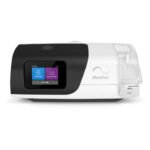
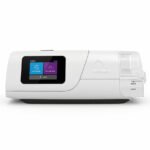
 Featured Machines
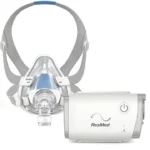 Travel CPAPs
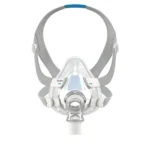
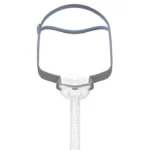 Most Popular Masks
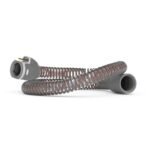
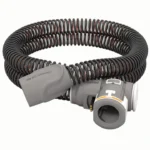 Tubes and Hoses
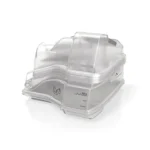 Humidifier Chambers
 Machine Filters
 Power Cords
 Headgear
 Nasal Pillows
 Cushions and Seals



Home Test Versus Lab Study for Sleep Apnea

A bed partner notices the pauses first: loud snoring, a sudden gasp, then breathing that starts again. Or perhaps the signs are quieter – morning headaches, dry mouth, brain fog, and fatigue that persists after what should have been a full night of sleep. When you are comparing a home test versus lab study, the best choice is not simply the one that feels easiest. It is the test most likely to answer the right clinical question while helping you move toward restorative sleep.
For many adults with clear symptoms of obstructive sleep apnea, a home sleep apnea test can be a convenient and effective starting point. For others, an overnight sleep study in a sleep center provides the broader picture needed for an accurate diagnosis and safe treatment plan.
Home Test Versus Lab Study: The Main Difference
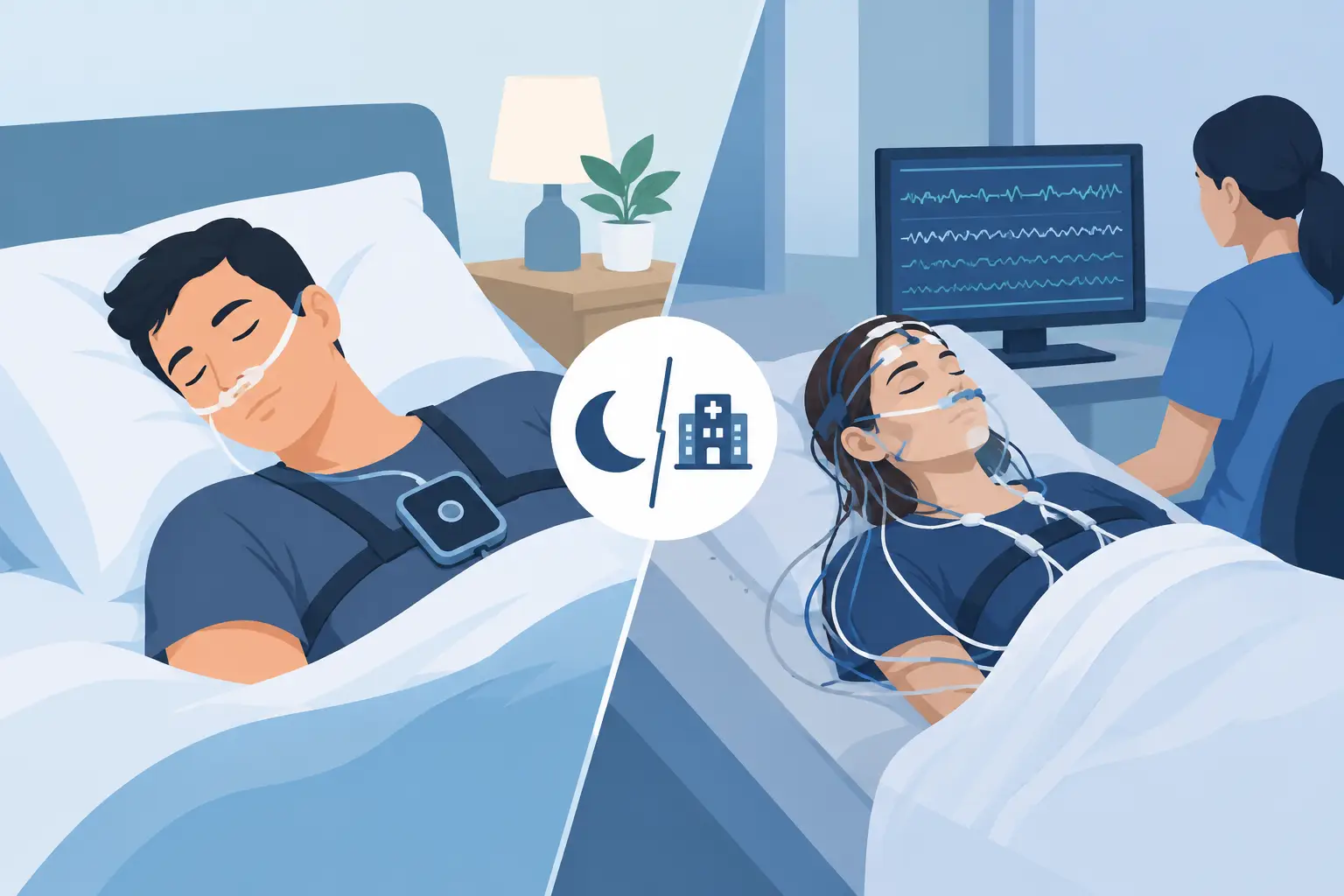
A home sleep apnea test is completed in your own bed. You receive a compact device and clear instructions, wear the sensors overnight, and return the device or submit the data as directed. The test commonly tracks breathing effort, airflow, blood oxygen levels, pulse rate, and body position. A qualified provider reviews the results to look for signs of obstructive sleep apnea.
A lab study, also called an in-lab polysomnogram, takes place overnight at a sleep center with trained technologists available. It collects much more information, including brain activity, eye movements, muscle activity, heart rhythm, breathing, oxygen levels, leg movements, and sleep stages. Because it can tell whether you are awake or asleep at a given moment, it offers a more detailed view of your sleep.
Neither option is automatically better. A home test favors comfort, privacy, and convenience. A lab study favors depth of information and real-time observation. The choice depends on your symptoms, health history, and what your clinician needs to evaluate.
When a Home Sleep Apnea Test May Be a Good Fit
Home testing is often appropriate for adults who have a strong likelihood of moderate to severe obstructive sleep apnea without major complicating medical conditions. Common signs include habitual loud snoring, witnessed breathing pauses, nighttime choking or gasping, high blood pressure, and persistent daytime sleepiness.
The practical advantage is meaningful. You sleep in a familiar environment, follow your usual bedtime routine, and avoid traveling to a sleep center. For people who feel anxious about medical settings, have caregiving responsibilities, work irregular hours, or simply value privacy, this can remove a major barrier to getting evaluated.
Home tests are designed primarily to identify obstructive sleep apnea. They do not usually measure sleep stages or capture every sleep-related concern. Because the device may record time in bed rather than confirmed time asleep, it can sometimes underestimate the severity of apnea. A person who lies awake for several hours, for example, may have fewer events per recorded hour than events per actual hour of sleep.
That does not make a home test less useful. It means the result should be interpreted alongside your symptoms and medical history. A positive home test can often provide the information needed to discuss treatment, including PAP therapy. If results do not match how you feel, further evaluation may still be needed.
What the night at home typically feels like
Most people use a small airflow sensor near the nose, a finger sensor for oxygen levels, and belts or sensors that help measure breathing effort. It may take a few minutes to get comfortable with the equipment, but the setup is generally far less involved than an in-lab study.
Try to keep your evening routine as normal as possible. Avoid changing your sleep schedule just for the test. Follow the instructions carefully, make sure the sensors are secure, and use the device for the full night when possible. A good recording gives your care team the best chance of reaching a clear answer.
When an In-Lab Sleep Study May Be Better
An in-lab study is often recommended when your symptoms or health history suggest that sleep apnea may not be the only issue. It can be especially useful if a home test is negative or inconclusive despite strong symptoms of apnea.
Your clinician may also recommend a lab study if there is concern about central sleep apnea, significant heart or lung disease, certain neurologic conditions, chronic opioid use, low oxygen levels not fully explained by obstruction, or a suspected sleep-related movement disorder. Symptoms such as unusual movements during sleep, acting out dreams, severe insomnia, or possible narcolepsy may call for the expanded data only a lab study can provide.
A lab study may feel less natural because you are sleeping somewhere unfamiliar while connected to more sensors. Still, the team is there to help you settle in, monitor the recording, and correct a loose sensor if needed. In some cases, the study may also include PAP titration, where pressure settings are assessed during the night to help determine effective therapy.
A Negative Home Test Does Not Always Mean “No Sleep Apnea”
This is one of the most important distinctions in a home test versus lab study decision. A home test can identify many cases of obstructive sleep apnea, but it is not designed to rule out every case with complete certainty.
If your home result is negative but you continue to wake up gasping, feel exhausted during the day, or have a bed partner who observes repeated breathing pauses, do not dismiss those symptoms. Contact your provider. They may recommend an in-lab study or a follow-up evaluation based on the full clinical picture.
The same applies to an inconclusive test. Sensors can shift during the night, a recording can be incomplete, and sleep apnea can vary depending on body position, congestion, alcohol use, and sleep stage. A single result is useful data, not a verdict on whether you deserve answers.
Cost, Insurance, and Convenience Considerations
Home sleep apnea testing is often less expensive than an overnight lab study, though your out-of-pocket cost depends on your insurance plan, deductible, provider requirements, and whether the service is in network. Some plans require a home test before approving an in-lab study, while others may have different rules based on your medical history.
A lab study can involve a higher cost and more scheduling coordination, but it may prevent delays when a more complex sleep disorder is suspected. The goal is not to select the lowest-cost test at all costs. It is to avoid spending time and money on a test that cannot adequately address your needs.
For adults with likely uncomplicated obstructive sleep apnea, home testing can make the path to care feel much more manageable. Virtual consultation, testing at home, result review, prescription support, and equipment selection can reduce the fragmented steps that often keep people from starting treatment.
What Happens After a Sleep Apnea Diagnosis?
If testing confirms obstructive sleep apnea, your provider will discuss treatment based on the severity of your condition, symptoms, and overall health. Positive airway pressure therapy, commonly called CPAP or PAP therapy, is a leading treatment because it uses gentle air pressure to help keep the airway open throughout the night.
Modern PAP equipment is built around comfort and consistency. Auto-adjusting machines can respond to your breathing needs during the night, while heated humidification may ease dryness. The right mask matters just as much. Some people prefer a nasal mask or nasal pillows, while mouth breathers or people with frequent congestion may do better with a full-face mask.
It can take a little time to find the mask fit, humidity setting, and bedtime routine that feel right. That adjustment period is normal. Consistent support and timely replacement of cushions, filters, tubing, and other supplies can help therapy stay comfortable over time.
Choosing the Right First Step
Start with an honest look at your symptoms. If you have loud snoring, witnessed pauses in breathing, daytime fatigue, or high blood pressure, ask a qualified provider whether a home sleep apnea test is appropriate. Be open about heart and lung conditions, medications, insomnia, unusual nighttime behaviors, and previous test results. Those details help determine whether home testing is enough or whether an in-lab study would provide safer, more useful answers.
Sleep Restoration Center helps eligible adults pursue a home-based path that can include a virtual consultation, home sleep apnea testing, prescription support, and PAP equipment guidance. The goal is not to make sleep care feel complicated. It is to help you breathe better, sleep deeper, and take practical steps toward a more rejuvenating night’s sleep.
You do not need to wait until fatigue affects every part of your day. A well-chosen sleep evaluation can be the first calm, clear step toward waking up with more energy and confidence.