 Featured Machines
 Travel CPAPs
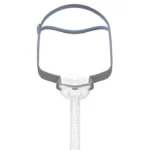 Most Popular Masks
 Tubes and Hoses
 Humidifier Chambers
 Machine Filters
 Power Cords
 Headgear
 Nasal Pillows
 Cushions and Seals



ResMed Mask Options for More Comfortable Sleep

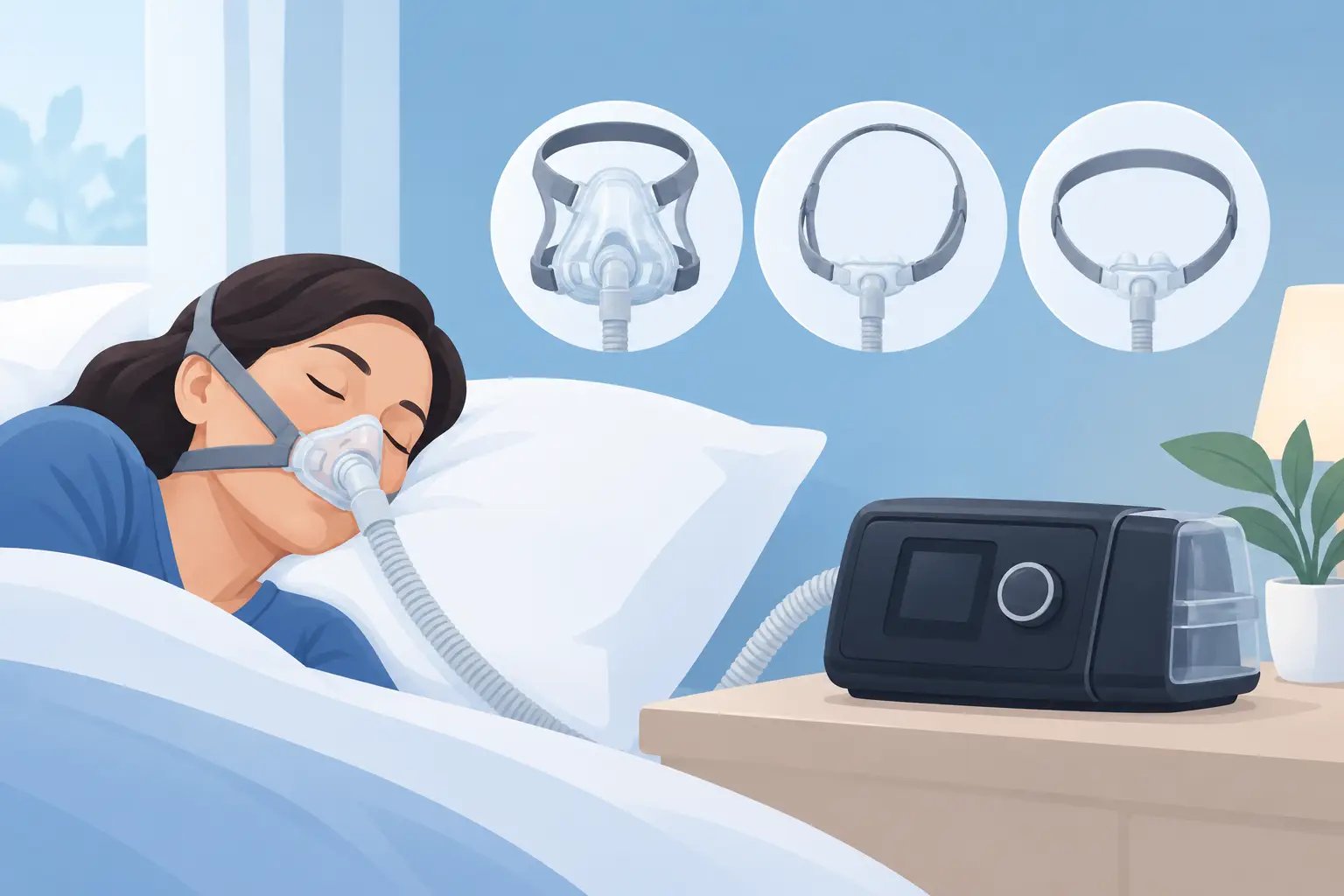
A CPAP machine can deliver effective therapy, but the mask is the part you feel every night. That is why choosing among ResMed mask options deserves more attention than simply picking the first style that looks comfortable. A mask that matches how you breathe, sleep, and move can make therapy feel less like a medical task and more like a reliable part of your routine – one that helps you breathe better and sleep deeper.
The right choice is personal. Some people want the open feeling of nasal pillows. Others need the secure coverage of a full-face mask because they breathe through their mouth. Your prescribed pressure, facial contours, skin sensitivity, and preferred sleep position all matter, too. A good mask should create a dependable seal without feeling overly tight.
ResMed mask options start with how you breathe
The most useful place to begin is with your usual breathing pattern. Do you naturally breathe through your nose at night? Do you wake with a dry mouth? Have allergies or congestion made nasal breathing unreliable? Your answers can narrow the field quickly.
Full-face masks for mouth breathing or higher coverage needs
A full-face mask covers both the nose and mouth. For people who regularly breathe through their mouth during sleep, it can prevent therapy air from escaping through an open mouth. It may also be a practical choice during seasonal congestion, when nasal breathing is more difficult.
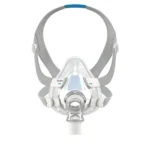
ResMed full-face designs range from traditional masks, such as the AirFit F20, to under-the-nose options such as the AirFit F30 and AirFit F30i. Traditional full-face masks cover the bridge of the nose and the mouth, which some sleepers find reassuring. Under-the-nose designs sit below the nose instead, leaving the nasal bridge open. That can be appealing if pressure on the bridge of your nose has bothered you in the past.
The trade-off is size and contact area. Full-face masks are generally more substantial than nasal masks or pillows, and a larger cushion can take a little more adjustment. Still, when mouth leaks are disrupting therapy, the added coverage can make a meaningful difference in comfort and consistent treatment.
Nasal masks for familiar, balanced coverage
Nasal masks cover the nose but not the mouth. They are often a comfortable middle ground for people who breathe primarily through their nose and want more coverage than nasal pillows provide. The ResMed AirFit N20 is a familiar example, while the AirFit N30 uses a smaller under-the-nose cushion.
A nasal mask may suit you if you want a stable seal without the bulk of a full-face design. Many side sleepers also do well with a compact nasal mask, especially when the cushion and headgear are fitted properly. If you wake with a dry mouth or notice air escaping from your lips, however, you may need to address mouth breathing before deciding this is the best long-term fit.
Nasal pillows for a lighter feel
Nasal pillow masks use small soft cushions that rest at the entrance of the nostrils. ResMed options such as the AirFit P10 and AirFit P30i are popular with people who prefer minimal facial coverage, wear glasses before bed, or feel closed in by a larger mask.
This style can be especially appealing for active sleepers because it has a smaller footprint on the face. It also leaves the bridge of the nose and much of the cheeks uncovered. The P30i places the tubing connection at the top of the head, which can help some sleepers turn from side to side with less tubing in front of them.
Nasal pillows are not automatically the best choice for everyone. Higher pressure settings can feel more direct with pillows, and some people need a short adjustment period to find the right cushion size. They also depend on reasonably clear nasal breathing. If you often experience congestion or mouth breathing, another style may provide more dependable therapy.
Match the mask to your sleep position
Your preferred position can change what “comfortable” means. A back sleeper may have success with nearly any well-fitted mask. Side and stomach sleepers often need to think more carefully about profile, hose placement, and pillow contact.
For side sleepers, a compact cushion can reduce pressure from the pillow against the mask. Nasal pillow masks and under-the-nose designs are often worth considering for this reason. A top-of-head hose connection, found on certain ResMed masks with an “i” in the name, may also help keep tubing above you rather than across your chest or in front of your face.
For people who move frequently, freedom of movement matters as much as cushion style. The AirFit F30i, N30i, and P30i use a top-of-head connection and frame design intended to allow more movement during sleep. That does not guarantee a better fit for every person, but it can be a useful feature if you tend to change positions often.
Stomach sleeping brings an extra challenge because the pillow can push against the mask. A lower-profile nasal pillow or under-the-nose mask may be easier to accommodate. Some people also find that a CPAP-friendly pillow with cutouts reduces pressure on the mask. The goal is not to force a position change if you sleep well otherwise. It is to find a setup that lets your treatment continue comfortably in the position you naturally choose.
A good seal should not require overtightening
Leaks are frustrating because they can create noise, dry eyes, skin irritation, and interrupted sleep. The instinct is often to pull the headgear tighter. In many cases, that makes leaks worse by distorting the cushion and creating pressure points.
Start by confirming that you have the correct cushion size. ResMed masks are available in multiple sizes, and the right fit is based on where the cushion rests, not on how tight the straps feel. Clean, dry skin also matters. Facial oils, moisturizer, and residue on the cushion can interfere with the seal.
Put the mask on while sitting upright, then connect your therapy and make small adjustments with air flowing. Once you lie down, your facial shape and headgear position can shift. If leaks appear only after you change position, try a slight adjustment rather than a major tightening. Persistent leaks may mean the cushion is worn, the size is not right, or the mask style is not a strong match for your needs.
Facial hair can affect the seal of a full-face or nasal mask, though it does not automatically rule one out. A soft silicone cushion may still seal well with neatly trimmed facial hair. It may take more careful fitting, and nasal pillows can be a helpful alternative for some people.
Comfort features that can make a real difference
Small design details can shape whether you look forward to using therapy or avoid it. Quiet venting can reduce the sensation of air blowing toward you or your bed partner. Magnetic clips on some ResMed models can make nightly removal and reattachment easier, though people with certain implanted medical devices should follow the manufacturer’s safety guidance and speak with their healthcare professional before using magnetic components.
Memory-foam cushions, available on select masks such as the AirTouch F20, offer a different feel from silicone. Some users appreciate their softness, particularly if they have sensitive skin. Silicone cushions can be washed daily and are a practical choice for many users, while memory foam follows different cleaning and replacement guidance. Neither is universally better. The better option is the one that provides a comfortable seal and fits your care routine.
Hose placement is another feature worth considering. Front-connection masks can feel straightforward and familiar. Top-of-head connections can give some sleepers more freedom to turn, read, or settle into position. If you wear glasses at night or enjoy reading before sleep, a minimal nasal pillow or under-the-nose design may leave more of your face clear.
Give a new mask enough time, but not endless time
A new mask can feel different for the first few nights. Allow yourself a reasonable adjustment period by wearing it briefly while awake, such as while reading or watching television. This helps your body get used to the cushion, airflow, and headgear without the pressure of trying to fall asleep immediately.
At the same time, do not assume significant discomfort is something you must simply tolerate. Ongoing pain, skin breakdown, frequent large leaks, claustrophobic feelings, or repeated removal during the night are signs that your setup needs attention. A different cushion size, mask style, humidity adjustment, or fit review may help.
Replacement timing also affects comfort. Cushions, headgear, frames, and other components gradually wear down, even when they look acceptable at first glance. As materials lose elasticity, you may find yourself overtightening straps or chasing leaks that were not there before. Replacing worn supplies can restore the fit and confidence you had when the mask was new.
Getting support for your next mask choice
If you are new to PAP therapy, your prescription and clinical needs should guide the equipment you select. If you already use CPAP or bilevel therapy, your machine data and your own experience can offer useful clues. Dry mouth may point to mouth breathing. Red marks on the nose may suggest too much pressure or the wrong cushion shape. Leaks when turning may point to a mask profile that does not fit your sleep position.
Sleep Restoration Center can help bring the practical pieces together, from virtual sleep care and prescription renewal to insurance verification and ResMed replacement supplies. You do not have to solve every fit issue alone or wait until therapy becomes frustrating.
The best mask is not the one with the most features or the smallest profile. It is the one you can wear comfortably, consistently, and confidently enough to make restorative sleep a regular part of your life.