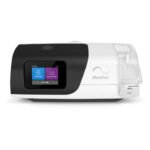
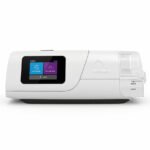
 Featured Machines
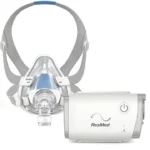 Travel CPAPs
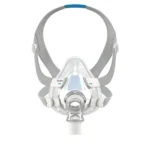
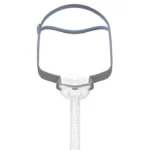 Most Popular Masks
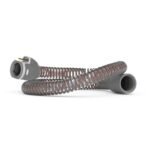
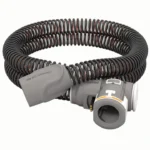 Tubes and Hoses
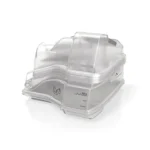 Humidifier Chambers
 Machine Filters
 Power Cords
 Headgear
 Nasal Pillows
 Cushions and Seals



Essential CPAP Replacement Supplies to Keep Handy

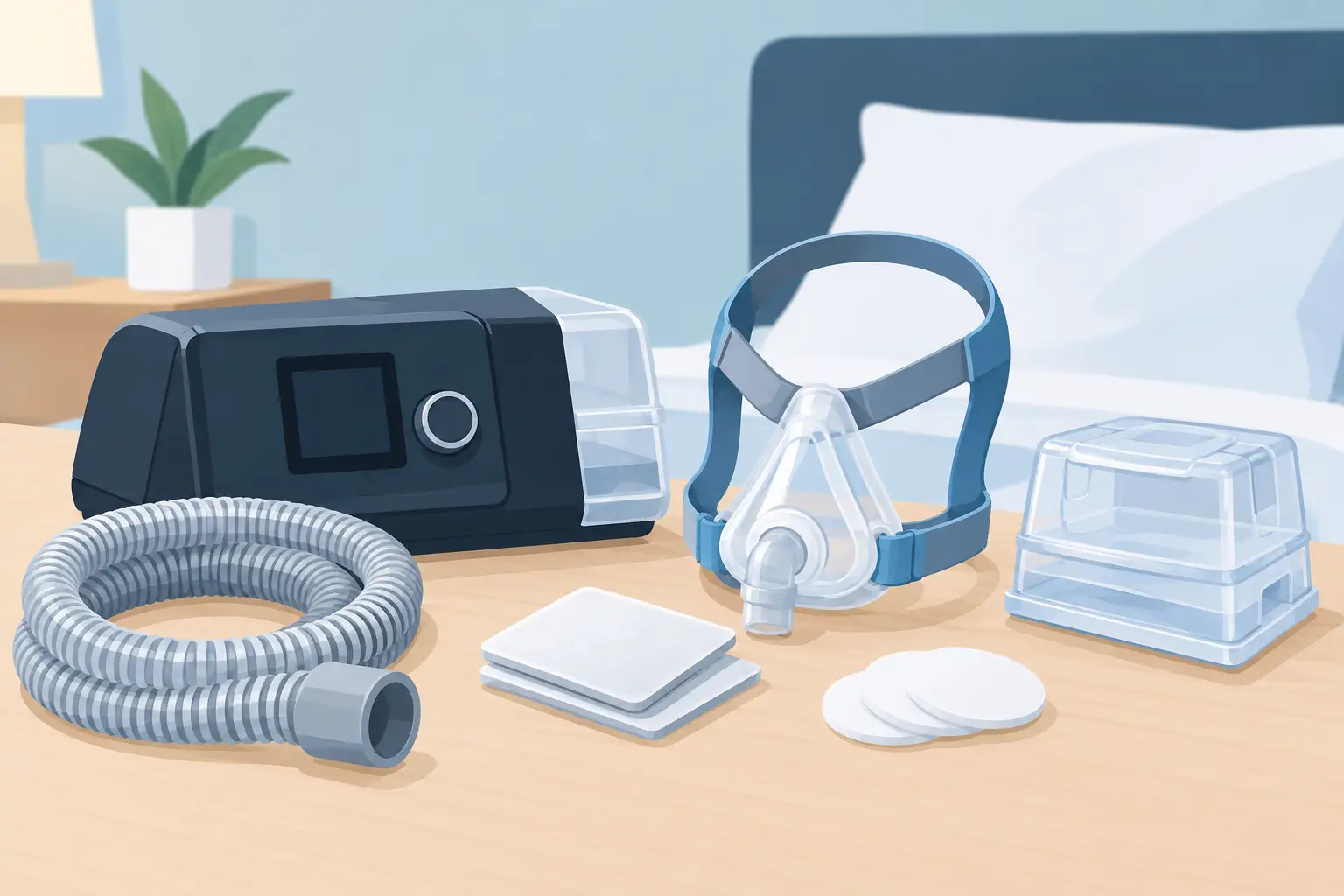
A mask that starts leaking at 2 a.m. can turn a restful therapy routine into a frustrating night. Keeping essential CPAP replacement supplies on hand helps protect the comfort, seal, and cleanliness that make treatment easier to use consistently. For many people with sleep apnea, a few well-timed replacements are the difference between putting on the mask with confidence and avoiding therapy because something no longer feels right.
CPAP equipment is designed to work together night after night, but the parts closest to your face and airflow naturally wear down. Facial oils affect silicone cushions, filters collect household dust, and tubing can lose its flexibility over time. Replacing these items before they become a problem helps support the steady, comfortable pressure delivery your prescribed therapy depends on.
Why CPAP Supplies Need Regular Replacement
Your CPAP machine may be the center of your treatment, but it is not the only piece that matters. A well-maintained mask, clean filter, and reliable tubing all contribute to a better therapy experience. When a cushion no longer seals well, for example, you may notice air blowing toward your eyes, extra noise, dry mouth, or a feeling that the machine is working harder than usual.
Replacement timing is not identical for everyone. It depends on the mask style, how often you use therapy, your cleaning routine, facial skin oils, humidity settings, and the manufacturer’s instructions. Insurance plans also have their own replacement schedules and coverage rules. Still, paying attention to comfort and performance gives you useful clues that a part may be ready to retire.
A supply replacement routine also supports hygiene. CPAP therapy moves room air through the device and into your airway. Regular cleaning and timely replacement reduce buildup on components that are difficult to restore once they are worn, discolored, cracked, or no longer performing as intended.
Essential CPAP Replacement Supplies for Comfortable Therapy
The best supplies to keep available are the ones that affect your nightly comfort most directly. If you use a ResMed mask or machine, choose replacement components made to fit that exact model. Parts that look similar are not always interchangeable, and a proper fit supports effective treatment.
Mask cushions and nasal pillows
Your cushion or nasal pillows create the seal between your mask and your face. Because silicone touches skin every night, it is often one of the first components to show wear. A cushion may need attention if it feels less soft, becomes cloudy, develops tiny tears, or requires you to tighten the headgear more than before to prevent leaks.
For nasal pillow users, a fresh set can make a noticeable difference in comfort, especially when the pillows no longer sit gently at the nostrils. For full-face and nasal mask users, replacing the cushion can often restore a more stable seal without needing to replace the entire mask frame.
Headgear
Headgear stretches gradually with repeated use and washing. When it loses elasticity, many people compensate by pulling the straps tighter. That can create pressure marks, soreness, and still may not stop leaks.
Replace headgear when the straps no longer hold their adjustment, the fabric is fraying, or you find yourself overtightening it to maintain a seal. The goal is a secure, comfortable fit, not the tightest possible fit. A fresh cushion paired with worn-out headgear may still leave you chasing leaks, so consider how both pieces are performing together.
CPAP tubing
Standard tubing carries pressurized air from the machine to the mask. Over time, tubing can become stiff, develop pinholes, retain odor, or collect moisture that is difficult to clear. Any visible crack, tear, or loose connection is a clear reason for replacement.
Heated tubing deserves the same care. It can help reduce rainout, the water droplets that can form in the hose when warm humidified air meets a cooler room. If you use heated tubing, make sure the replacement is compatible with your specific CPAP machine. It depends on your setup: some people do well with standard tubing, while others find climate-controlled tubing makes their sleep noticeably more comfortable.
Air filters
Filters are small, but they protect your machine and the air pathway from dust, pet dander, and other airborne particles. A dirty filter may restrict airflow and can place unnecessary strain on the device. Homes with pets, smokers, construction dust, or seasonal allergens may require more frequent filter changes.
Check your filter regularly and replace it when it looks discolored or visibly dirty. Disposable filters should not be washed unless the manufacturer specifically says otherwise. Using the right filter for your model matters, particularly with premium machines designed around a specific filter size and airflow path.
Humidifier chambers
For people who wake with a dry nose, throat, or mouth, a CPAP humidifier chamber can make therapy more comfortable. The chamber should be cleaned according to the manufacturer’s instructions and inspected for mineral buildup, cloudiness, cracks, or leaking around its seals.
Distilled water is generally the best choice for reducing mineral deposits. Even with consistent care, chambers eventually wear out. If yours is damaged, difficult to clean, or no longer sits securely in the machine, a replacement chamber can help restore the humidification experience you rely on for a deeper, more comfortable night’s sleep.
Machine power supplies and cords
Power cords and external power supplies are not usually replaced as frequently as cushions or filters, but they are worth checking. A damaged cord, loose connection, or unreliable power supply can interrupt therapy unexpectedly. Frequent travelers may benefit from keeping a compatible backup power supply packed with their travel equipment, rather than moving one back and forth from the bedside.
A Practical Replacement Routine at Home
You do not need a complicated system to stay ahead of worn supplies. Start by keeping one backup of the item most likely to interrupt your therapy, which for many users is a mask cushion or nasal pillow set. Store replacements in a clean, dry place and keep them in their original packaging until needed.
A simple monthly check can prevent surprises. Look over your mask cushion, headgear, tubing, filter, and water chamber in good light. Ask yourself whether the equipment feels as comfortable as it did when new, whether leaks have increased, and whether cleaning is becoming harder. Your CPAP machine’s therapy data may also show a change in leak levels, but how you feel matters too.
If you are new to therapy, avoid changing several variables at once. If your mask begins leaking, replace the cushion first if it shows wear. If leaks persist, assess the headgear fit and mask frame. This approach makes it easier to identify the real source of the problem and helps you avoid buying parts you do not need.
When It Makes Sense to Replace the Full Mask
A complete mask replacement may be more practical when multiple components are worn, the frame is cracked, or your comfort needs have changed. For instance, persistent mouth leaks, nasal congestion, pressure discomfort, or changes in facial shape may mean a different mask style would serve you better.
A nasal mask or nasal pillows may feel lighter for some users, while a full-face mask can be helpful for people who breathe through their mouth during sleep. There is no universally best option. The right choice is the one that lets you maintain a reliable seal and use prescribed therapy comfortably through the night.
If you are unsure whether a fit issue is caused by worn supplies or the mask style itself, support can help you sort through the options. Sleep Restoration Center can help eligible patients move from home sleep testing and virtual care to prescription renewal, equipment, and ongoing supply needs in one more convenient path.
Do Not Let a Small Part Disrupt Your Sleep
CPAP treatment works best when it becomes an ordinary part of your evening, not a problem you have to solve at bedtime. Keep an eye on the pieces that touch your skin, carry your air, and protect your machine. Replacing them when they show wear can help you breathe better, sleep deeper, and wake up ready for the day.