 Featured Machines
 Travel CPAPs
 Most Popular Masks
 Tubes and Hoses
 Humidifier Chambers
 Machine Filters
 Power Cords
 Headgear
 Nasal Pillows
 Cushions and Seals



ResMed AirFit Mask Review for Better Sleep

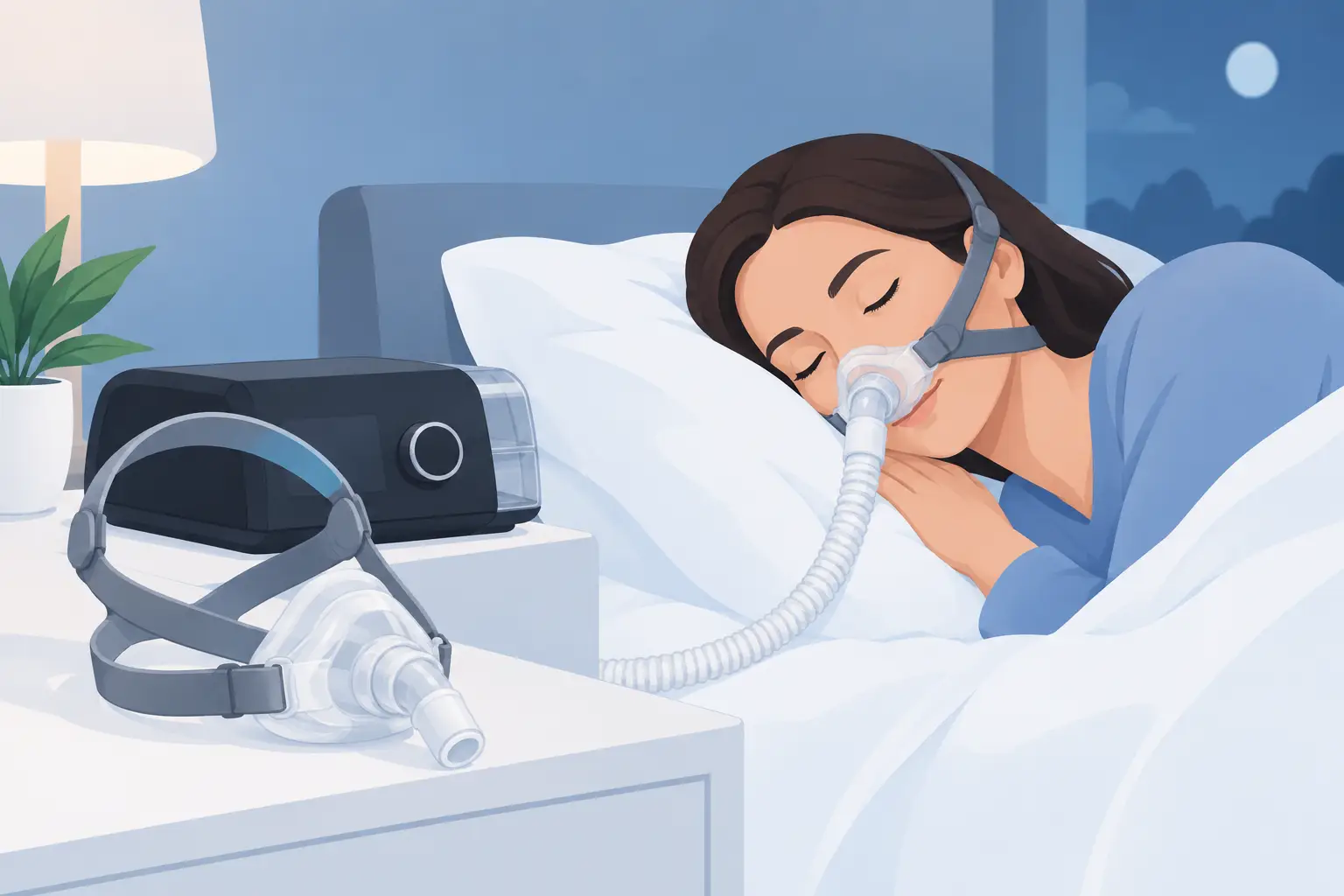
A CPAP machine can deliver the right pressure all night, but a mask that pinches, leaks, or feels restrictive can still make therapy hard to continue. This ResMed AirFit mask review looks at the AirFit family through the question that matters most: which style can help you stay comfortable enough to use your treatment consistently and wake up feeling more restored?
ResMed AirFit is not one single mask. It is a family that includes full-face, nasal, nasal cradle, and nasal pillow options. Each style is designed for a different combination of sleep position, breathing habits, facial features, and comfort preferences. The right choice is personal, but understanding the differences can make your next mask decision feel far less complicated.
ResMed AirFit mask review: What stands out
AirFit masks are widely used because ResMed places real attention on the parts of a mask that affect nightly comfort: the cushion seal, frame size, headgear adjustment, airflow venting, and ease of putting the mask on and taking it off. Across the line, the goal is not simply to hold a seal at higher pressure. It is to make PAP therapy feel more natural at home.
The strongest feature of the AirFit family is its range. Someone who breathes through their mouth at night may need a full-face design, while someone who feels claustrophobic may sleep much better with nasal pillows. That variety is a major advantage over treating all CPAP users as though they need the same mask.
There are trade-offs, of course. A minimal mask can feel wonderfully open but may not work well if you have frequent mouth leaks. A full-face mask may provide more dependable coverage for mouth breathing, yet it naturally has more contact with the face. Comfort comes from matching the design to your needs, not from choosing the smallest or most popular option.
The main AirFit styles and who they may suit
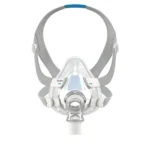
AirFit F20: Traditional full-face coverage
The AirFit F20 covers both the nose and mouth, making it a practical option for people who breathe through their mouth, live with nasal congestion, or use higher therapy pressures. Its InfinitySeal cushion is designed to accommodate different facial shapes while maintaining a stable seal. Many users also appreciate the magnetic clips, which can make nightly setup quicker once the headgear has been adjusted.
The F20 can be a dependable choice for side sleepers and active sleepers because the frame and cushion provide substantial support. Still, it is not the most minimal option. People who dislike the sensation of a mask sitting over the bridge of the nose may prefer an under-the-nose full-face design instead.
Magnetic clips are convenient, but they are not suitable for everyone. If you have certain implanted medical devices or metallic implants, review the manufacturer’s safety guidance and speak with your healthcare provider before using a mask with magnets.
AirFit F30 and F30i: Full-face masks with less bulk
The AirFit F30 rests under the nose and covers the mouth rather than sitting over the nasal bridge. For many people, that design reduces the pressure and redness that can occur at the top of the nose. It can be especially appealing if you wear glasses in the evening, read before bed, or simply want a less enclosed feel than a traditional full-face mask.
The AirFit F30i takes this concept further with tubing that connects at the top of the head. That placement can give active sleepers more freedom to turn from side to side without feeling as though the hose is pulling across the front of the body. It is a thoughtful design for people who change positions often.
Neither mask eliminates the need for a careful fit. Under-the-nose cushions need to sit in the correct position to avoid leaks into the eyes or around the mouth. If you have facial hair, a fuller mustache, or frequent nighttime movement, you may need to spend extra time dialing in the headgear tension.
AirFit N20: A familiar nasal mask feel
The AirFit N20 covers the nose but not the mouth. It is a solid middle ground for people who want more coverage than nasal pillows offer without moving to a full-face mask. Its soft silicone cushion and supportive frame can feel secure without being overly complicated.
This mask may work well if you naturally keep your mouth closed during sleep and generally breathe comfortably through your nose. It can also be a good option for new CPAP users who want an easy-to-understand design that is simple to clean and reassemble.
The limitation is straightforward: nasal masks cannot fully solve mouth leak. If you wake with a very dry mouth, hear air escaping from your lips, or see large leaks in your therapy data, a full-face mask may be a better conversation to have with your sleep care team. Some people can use a chin strap or address nasal congestion, but those solutions are not right for every sleeper.
AirFit P10: Minimal nasal pillows
The AirFit P10 is one of the lightest-feeling choices in the AirFit lineup. Rather than covering the nose, small pillows rest at the nostril openings and deliver air directly. The minimal frame leaves much of the face uncovered, which can be a welcome change for people who feel confined by larger masks.
Its QuietAir vent is designed to diffuse exhaled air, helping reduce the sensation of a direct stream of air toward you or your bed partner. The P10 is often a strong fit for people who sleep on their side, wear glasses, or want as little face coverage as possible.
However, nasal pillows are not automatically the best choice for everyone. They can feel more direct than a nasal cushion, particularly when therapy is starting or pressure settings are higher. If your nostrils become sore, the cause may be a pillow size that is too small, headgear that is too tight, or a need for additional humidity. Discomfort is worth addressing early rather than trying to push through it.
AirFit N30 and N30i: Open nasal cradle options
The AirFit N30 and N30i use a nasal cradle cushion that rests beneath the nose instead of around it. This can offer a more open experience than a traditional nasal mask while feeling less direct than nasal pillows. The N30i also uses a top-of-head tube connection, which many active sleepers find helpful.
These masks can be excellent for people who primarily breathe through the nose but do not enjoy having cushions inserted into the nostrils. Their lighter profile may also make them more comfortable for reading, relaxing, or watching television before sleep. As with any nasal interface, ongoing mouth leak can limit how well they work.
How to choose the right AirFit mask
Start with how you breathe at night, not with what looks smallest. If you routinely breathe through your mouth, wake with dry mouth, or deal with congestion, a full-face option such as the F20, F30, or F30i may offer more reliable therapy. If you breathe comfortably through your nose, an N20, N30, N30i, or P10 could give you a lighter feel.
Your sleep position matters too. Side sleepers often prefer a low-profile cushion or top-of-head hose connection because there is less tubing in front of the face. Back sleepers may be comfortable with almost any style, provided the cushion seals without overtightening. Stomach sleepers usually need a compact mask and may benefit from a CPAP-friendly pillow that leaves room for the mask.
Do not judge fit by tightness. A common mistake is pulling headgear straps too tight in an effort to stop leaks. That can flatten the cushion, create sore spots, and actually make leaks worse. Fit the mask while lying in your usual sleeping position with your machine running. Adjust gradually, one small change at a time.
Comfort and maintenance affect therapy success
Even a well-chosen mask needs regular care. Wipe the cushion routinely to remove facial oils, which can interfere with the seal. Wash the components according to the manufacturer’s instructions, allow them to air-dry fully, and inspect the cushion, headgear, and frame for wear. A cushion that has become stiff, discolored, or difficult to seal may be ready for replacement.
Skin irritation, dry mouth, noisy leaks, and persistent marks are not problems you have to accept as part of CPAP therapy. Sometimes the solution is a different cushion size; sometimes it is humidity adjustment, replacement supplies, or a different mask category altogether. A virtual sleep care provider can help you interpret what is happening and make changes without turning the process into repeated in-person appointments.
Sleep Restoration Center can help eligible patients move from home sleep testing and prescription support to ongoing PAP equipment and replacement supplies in one place. For experienced users, that continuity can also make it easier to revisit mask fit when your needs change.
The best AirFit mask is the one you can wear comfortably for the full night, not just the one that feels good for five minutes before bed. Give yourself permission to make adjustments, ask questions, and try a style that better supports the deeper, more rejuvenating sleep your therapy is meant to provide.