 Featured Machines
 Travel CPAPs
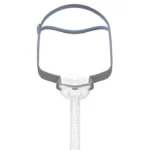 Most Popular Masks
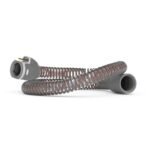
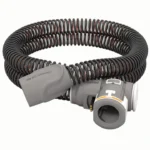 Tubes and Hoses
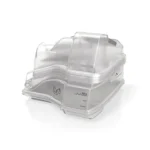 Humidifier Chambers
 Machine Filters
 Power Cords
 Headgear
 Nasal Pillows
 Cushions and Seals



Which CPAP Brands Fit Your Sleep Needs Best?

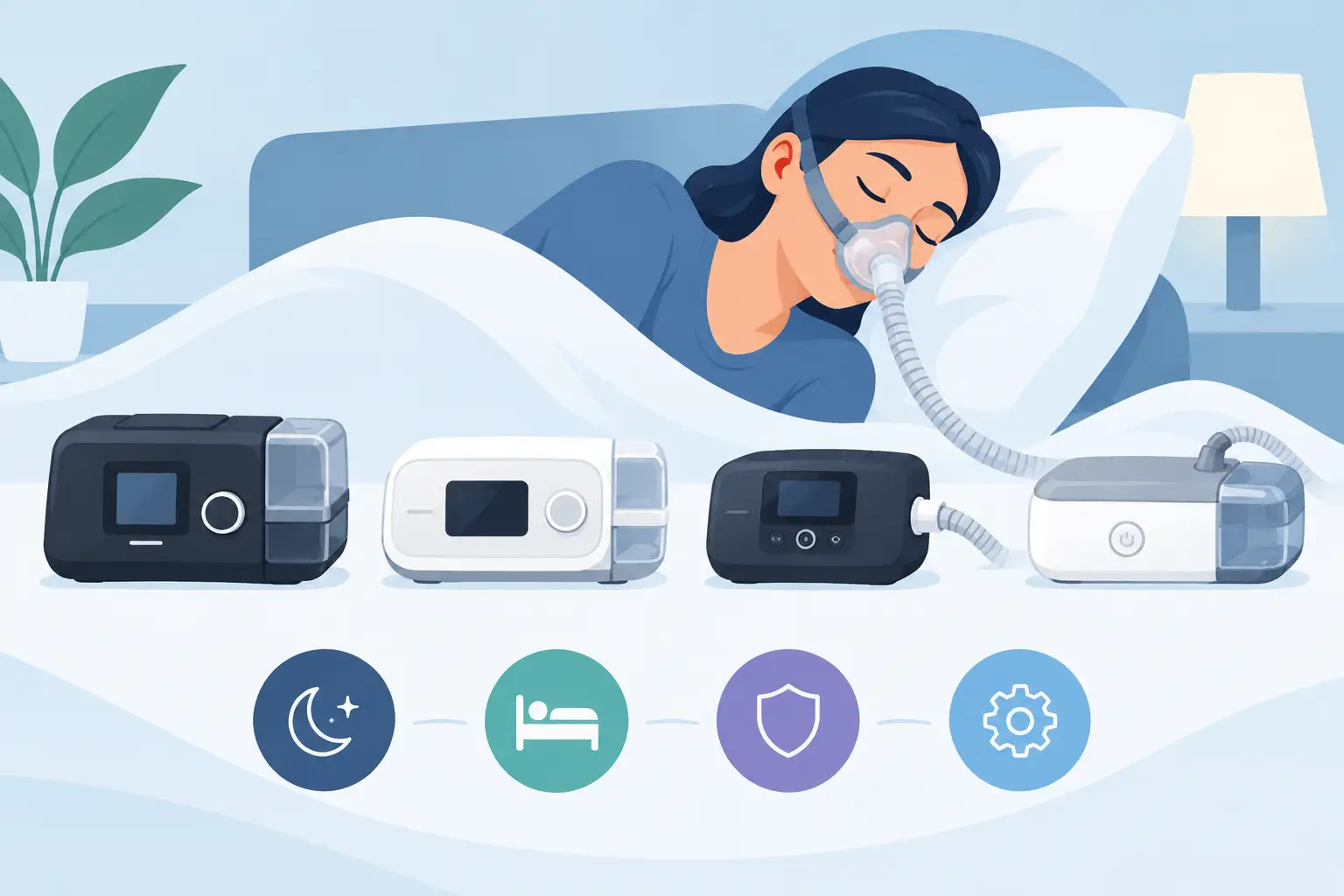
A CPAP machine may sit on your nightstand, but the right choice can shape how comfortable therapy feels night after night. When comparing CPAP brands, the goal is not to find one machine that is best for everyone. It is to find prescribed equipment that supports your pressure needs, sleep habits, comfort preferences, and daily routine.
For many people, that means looking beyond the machine itself. A quiet motor, easy controls, humidification, a comfortable mask, and dependable access to replacement supplies can make the difference between struggling with therapy and settling into a more restorative routine. With the right guidance, managing sleep apnea at home can feel far less complicated.
What Makes CPAP Brands Different?
Most modern CPAP devices are designed to treat obstructive sleep apnea by delivering pressurized air that helps keep the airway open during sleep. The core purpose is similar across manufacturers, but the experience can vary meaningfully from one brand and model to another.
Some devices focus on automatic pressure adjustment, often called APAP or Auto CPAP. These machines can respond to changes in breathing throughout the night within the pressure range prescribed by a clinician. Others deliver one consistent pressure. Bilevel machines are a separate category that provides different pressures for inhaling and exhaling and may be prescribed for more specific therapy needs.
The practical differences often come down to comfort features, humidification options, data connectivity, travel readiness, menu design, noise level, and compatible accessories. These details may sound secondary at first, but they are often the features people notice most after the first week of use.
Comfort Features Matter More Than a Spec Sheet
Pressure relief during exhalation can make therapy feel more natural for some users, especially those who feel they are pushing against the airflow. Heated humidification can reduce dry mouth, dry nasal passages, and throat irritation. Heated tubing may help control condensation in the tube, sometimes called rainout, when bedroom temperatures are cooler.
No feature is automatically necessary for every person. Someone who sleeps comfortably in a warm, humid climate may need less humidity than someone who wakes with a dry nose in a cold room. A person with a straightforward pressure prescription may prefer a simple setup, while another may value more automation and detailed sleep data. The best fit depends on what helps you use therapy consistently.
Masks and Machines Are Related, but Not the Same Choice
It is easy to focus entirely on machine brands and overlook the mask. Yet mask comfort is one of the most common reasons people either continue treatment confidently or stop using it.
Many masks work with standard CPAP tubing and can be used across different machine brands. Still, certain components, such as heated tubes, humidifier chambers, filters, and power supplies, are specific to a machine model. Before replacing equipment, confirm compatibility rather than assuming accessories will transfer from your current setup.
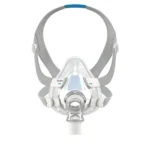
Your breathing style also matters. Nasal pillows can feel lightweight for people who breathe well through their nose. Nasal masks offer more coverage without covering the mouth. Full-face masks may be helpful for mouth breathers or people who experience frequent nasal congestion. A supportive fitting process can be just as valuable as choosing a feature-rich machine.
A Look at Common CPAP Brands
The right way to compare brands is to consider their current device options, service availability, accessory ecosystem, and how well a model aligns with your prescription. Availability can also vary based on inventory, insurance coverage, and the equipment supplier you choose.
ResMed
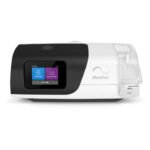
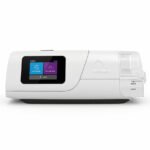
ResMed is widely recognized for premium sleep apnea therapy equipment and offers CPAP, Auto CPAP, bilevel, and travel options. Its AirSense AutoSet devices are commonly selected by people who have an automatic-pressure prescription and want an approachable home therapy experience. Features such as integrated humidification, user-friendly controls, pressure comfort settings, and connected therapy data can help make nightly treatment easier to manage.
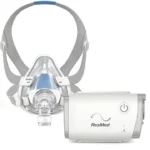
For frequent travelers, the ResMed AirMini is a compact travel CPAP option designed for portability. Travel machines can be especially useful for business trips, family visits, or vacations, but they involve trade-offs. They are smaller and easier to pack than a bedside unit, yet humidification options, noise experience, and accessory requirements can differ from a full-size machine.
ResMed also offers a broad selection of masks, including full-face, nasal, and nasal pillow styles. That range can be helpful when you are adjusting your setup or need replacement cushions, headgear, filters, tubing, and chambers over time.
Fisher & Paykel Healthcare
Fisher & Paykel Healthcare is well known for sleep therapy equipment with an emphasis on humidification and comfort-focused design. Its full-size CPAP options may appeal to users who prioritize a straightforward bedside experience and dependable moisture management.
As with any brand, the model matters more than the logo alone. Ask whether the machine has the pressure mode your prescription calls for, whether the accessories are readily available, and how the controls fit your comfort level. A machine should feel manageable when you are tired and ready for bed, not like another complicated task to learn.
React Health
React Health offers CPAP and Auto CPAP devices, including models often considered by people seeking a practical alternative in the home-therapy market. Depending on the model, users may find features such as heated humidification, data tracking, and familiar machine controls.
For a current CPAP user replacing an older device, continuity can matter. If you already have a mask you love, check its compatibility. If insurance is involved, verify what brands and replacement schedules may be covered before making a decision based on upfront price alone.
Philips Respironics and Older Equipment
Some long-term CPAP users may have previously used Philips Respironics equipment. If you own an older device from any manufacturer, verify its current safety status, recall information where applicable, and eligibility for replacement through an authorized provider. Do not assume an older machine remains appropriate simply because it still powers on.
A replacement can also be a useful opportunity to revisit your treatment needs. Weight changes, new health conditions, persistent discomfort, or ongoing fatigue despite regular use are all reasons to speak with a qualified clinician about whether your prescription and equipment remain appropriate.
How to Choose Between CPAP Brands
Start with the prescription, not the product page. In the United States, CPAP machines require a valid prescription. That prescription identifies the type of therapy and pressure settings you need, which narrows the options safely. If your prescription has expired, a prescription renewal service may help you take the next step without adding unnecessary in-person appointments.
Next, think honestly about your sleep routine. If you travel often, a travel CPAP may be worth considering alongside your primary bedside machine. If you wake with dryness or congestion, prioritize humidification and discuss mask options. If you are sensitive to noise or feel anxious about equipment, look for an intuitive design and ask about the support available after your purchase.
It also helps to consider the ongoing cost of ownership. CPAP therapy includes recurring supplies, including filters, cushions, mask frames, headgear, tubing, and humidifier chambers. A lower machine price may not feel like a better value if compatible replacement supplies are difficult to obtain or do not fit comfortably. Insurance verification can clarify which equipment and supplies may be covered under your plan.
Finally, do not underestimate support. New users may need help understanding settings, assembling the equipment, cleaning components, or recognizing when a mask leak needs attention. Experienced users may need help selecting a replacement machine or changing mask styles. Reliable guidance makes it easier to address small issues before they interrupt your therapy.
A Better Fit Supports Better Sleep
The strongest choice among CPAP brands is the one that fits your prescribed therapy and gives you a realistic path to regular use. A sophisticated machine is not helpful if the mask is uncomfortable, and an affordable option is not a bargain if it makes supplies or support hard to access.
Sleep Restoration Center can help simplify that path with home sleep testing, virtual care options, prescription support, insurance verification, and premium therapy equipment in one place. Whether you are beginning treatment or replacing a trusted machine, the next step is simply choosing a setup that helps you breathe better, sleep deeper, and wake up ready for the day.