 Featured Machines
 Travel CPAPs
 Most Popular Masks
 Tubes and Hoses
 Humidifier Chambers
 Machine Filters
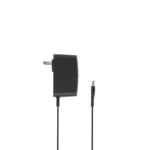 Power Cords
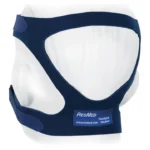 Headgear
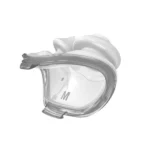 Nasal Pillows
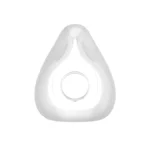 Cushions and Seals



CPAP Accessories That Make Therapy More Comfortable

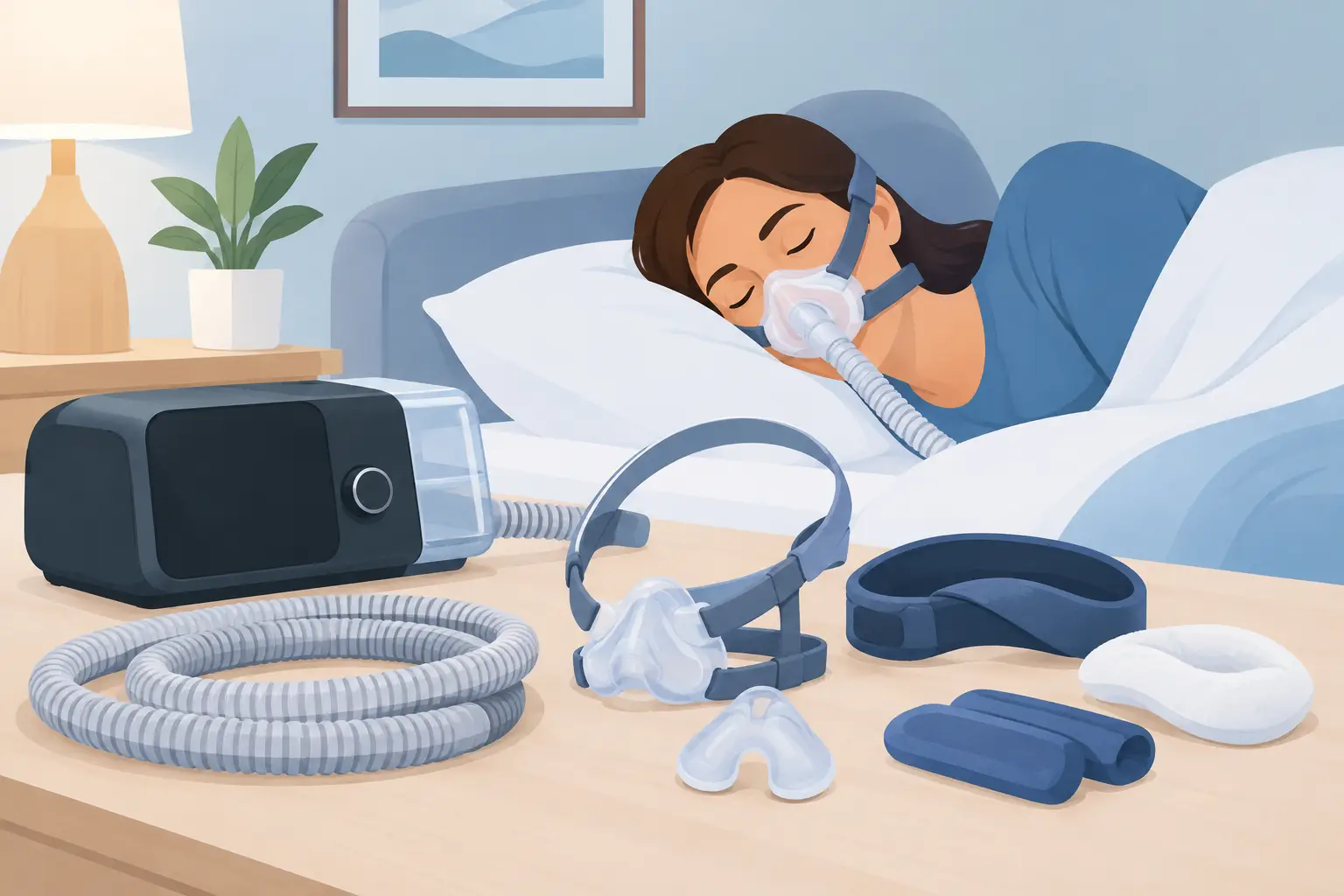
A CPAP machine may be the center of your sleep apnea therapy, but the right CPAP accessories often determine whether treatment feels manageable night after night. A mask that seals comfortably, fresh filters, a properly functioning humidifier chamber, and dependable tubing can make the difference between dreading bedtime and settling into a restorative routine.
Accessories are not simply add-ons. Many are essential replacement supplies that support consistent therapy, comfortable breathing, and reliable equipment performance. The best choices depend on your machine, mask style, sleep habits, pressure needs, and whether you use therapy at home, while traveling, or both.
The CPAP accessories that matter most
The supplies you use closest to your face and airway receive the most wear. They are also the components most likely to affect comfort, leak control, and the quality of your therapy.
Masks, cushions, and nasal pillows
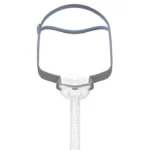
Your CPAP mask is the part of therapy you feel most, so comfort is not a small detail. It is a major part of staying consistent. Full-face masks can be a helpful choice for people who breathe through their mouth during sleep, have frequent nasal congestion, or need a broader seal. Nasal masks cover the nose, while nasal pillow masks rest at the nostrils and may feel less confining for some sleepers.
The mask cushion or nasal pillows create the seal. Over time, natural skin oils, regular cleaning, and repeated pressure against the face can affect their softness and fit. If you notice air leaking toward your eyes, a need to tighten the straps more than usual, or a mask that suddenly feels less comfortable, the cushion may be ready for replacement.
A new mask style can help in some cases, but do not assume the entire mask is the problem. Sometimes a replacement cushion, properly adjusted headgear, or a different pillow size solves the issue. Avoid overtightening. A secure seal should come from the cushion design and a correct fit, not from straps pulled uncomfortably tight.
Headgear and mask frames
Headgear gradually stretches with regular use. When it no longer holds a stable position, it can contribute to leaks and disrupt sleep. Replacing worn headgear can restore the fit of a mask you otherwise like.
Mask frames also deserve occasional inspection. Look for cracks, loose connections, or signs that the frame no longer holds the cushion securely. Because each mask system is designed to work as a set, choose replacement parts that are compatible with your specific mask model.
CPAP tubing
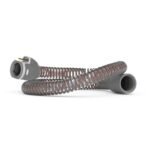
Standard tubing delivers pressurized air from your machine to your mask. It may seem simple, but small problems can affect your experience. A hole, loose connection, or buildup inside the tube can create leaks, noise, or reduced comfort.
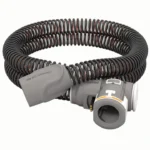
Heated tubing is an option for people who use humidification and experience condensation in the hose, often called rainout. This can happen when warm, humidified air cools as it travels through the tube. Heated tubing may help maintain a more consistent temperature and reduce the chance of water collecting in the line. It is especially useful for people who sleep in cooler rooms, though it may not be necessary for everyone.
Keep tubing away from pets, sharp furniture edges, and areas where it can become kinked. A hose lift or tubing management accessory can also be helpful if you tend to turn frequently in your sleep or feel that the hose pulls on your mask.
Humidification accessories for a more comfortable night
Dry mouth, dry nasal passages, or throat irritation can make CPAP therapy feel harder than it needs to be. For many people, humidification helps make airflow feel gentler and more comfortable.
Water chambers and humidifier care
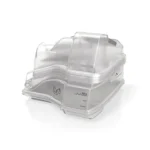
If your CPAP machine includes a humidifier, the water chamber is a key part of your nightly routine. Use the type of water recommended in your device instructions, keep the chamber clean, and inspect it regularly for clouding, cracks, mineral buildup, or leaks.
A replacement water chamber is useful when the existing chamber becomes worn or damaged. A chamber that does not seal properly can affect humidification and may interrupt your routine. Keep in mind that more humidity is not always better. If you wake with excess moisture in the tubing or mask, adjusting your humidity level or considering heated tubing may be more effective than simply increasing the setting.
Comfort when nasal congestion gets in the way
Nasal congestion can make therapy challenging, particularly for nasal mask and nasal pillow users. Humidification may help, but the right approach depends on the cause of congestion. Seasonal allergies, dry indoor air, illness, and structural nasal concerns are not the same problem.
If congestion persists or makes it difficult to use prescribed therapy, speak with a qualified healthcare professional. Do not change your prescribed treatment plan without guidance. For some people, a full-face mask is a practical alternative during occasional congestion, while others do better by addressing the underlying nasal issue.
Filters and routine replacement supplies
CPAP filters help keep dust and other airborne particles from entering your machine. They are small, inexpensive, and easy to overlook, yet they support cleaner airflow and help protect your equipment.
Check filters regularly and replace them according to the guidance for your machine and your environment. You may need to replace them more often if you have pets, live in a dusty area, or run your machine near an open window. A visibly dirty filter should not be ignored.
A practical supply routine usually includes monitoring these items:
- Mask cushions or nasal pillows for changes in seal and comfort
- Headgear for stretching or reduced stability
- Tubing for holes, discoloration, or loose connections
- Filters for dust and visible buildup
- Humidifier chambers for cracks, clouding, or leaks
Replacement timing varies by manufacturer recommendations, insurance coverage, and how quickly your supplies wear. The clearest signal is often your own experience. New leaks, unexplained dryness, louder airflow, or a decline in comfort can all point to a supply that needs attention.
Power and travel accessories for consistent therapy
Sleep apnea treatment should not have to stop when you leave home. Travel CPAP equipment and compatible power accessories can help frequent travelers maintain therapy more consistently, whether they are visiting family, staying in hotels, or taking extended work trips.
A travel CPAP is designed for portability, but it is not automatically the best choice for every trip. Your regular machine may be more comfortable for longer stays, especially if you depend on integrated humidification or a familiar setup. For short trips or limited luggage space, a compact device may be a worthwhile convenience.
Before traveling, confirm that you have the correct power cord, any needed outlet adapter, and a plan for cleaning and drying your equipment. If you will be camping or staying somewhere without reliable electricity, use only power options approved for your specific device. Battery performance can vary based on pressure settings, humidification, heated tubing, and usage time, so plan with a margin rather than assuming one charge will cover every situation.
Choosing accessories safely and confidently
Compatibility matters. CPAP machines, masks, humidifiers, and power supplies are designed with specific connections and requirements. Before ordering a replacement, verify the machine model and mask model printed on your equipment or packaging. If you are unsure, it is better to confirm than to purchase a part that does not fit or function correctly.
It also helps to distinguish between items that improve convenience and items that affect therapy delivery. A hose cover, travel case, or tubing holder may make your setup easier to live with. Filters, cushions, tubing, water chambers, and compatible power supplies play a more direct role in everyday treatment performance.
Be cautious with products that promise to replace regular cleaning or claim dramatic health benefits without clear device compatibility. Follow the cleaning instructions from your equipment manufacturer, allow parts to dry thoroughly, and replace supplies when they show wear. Simple, consistent care is usually the most reliable approach.
Sleep Restoration Center can help make the ongoing side of therapy feel less fragmented, whether you need replacement supplies, premium ResMed equipment, or guidance as you continue treatment from home. The goal is not to collect every available accessory. It is to build a setup that supports comfortable, dependable therapy so you can breathe better, sleep deeper, and wake ready for the day.