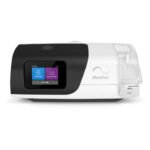
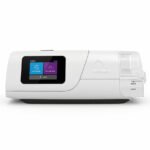
 Featured Machines
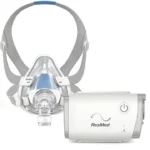 Travel CPAPs
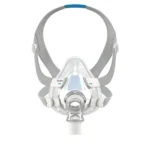
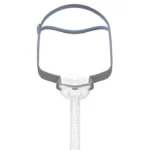 Most Popular Masks
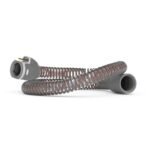
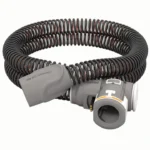 Tubes and Hoses
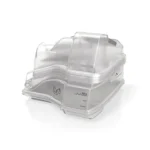 Humidifier Chambers
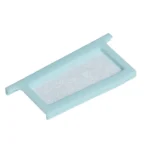 Machine Filters
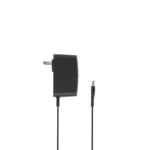 Power Cords
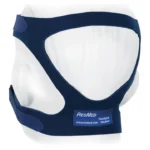 Headgear
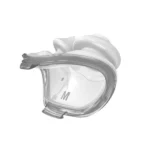 Nasal Pillows
 Cushions and Seals



CPAP Therapy Results: What Changes to Expect

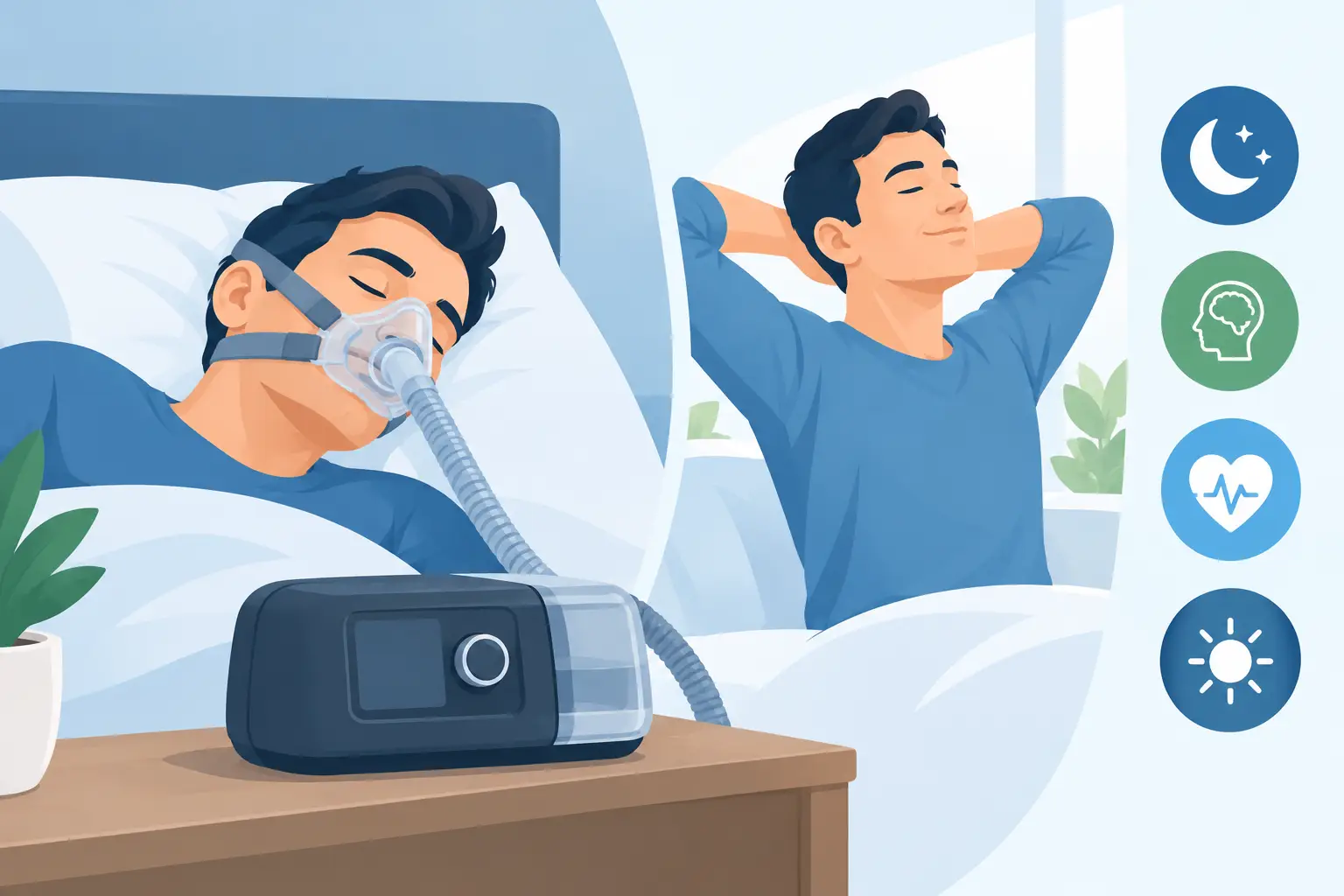
The first quiet morning after starting treatment can feel surprisingly different. You may wake up without a headache, notice you did not fall asleep on the couch at 3 p.m., or hear that your partner finally had a peaceful night too. CPAP therapy results often begin with small, personal changes like these, then build as consistent treatment helps keep your airway open night after night.
For many people with obstructive sleep apnea, CPAP is not a dramatic overnight cure. It is a routine that works best when the machine, mask, pressure settings, and sleep habits all support one another. Understanding what to watch for can help you recognize progress, solve comfort issues early, and stay encouraged while your body adjusts.
What CPAP Therapy Results Can Look Like
CPAP therapy uses gentle air pressure to prevent the airway from narrowing or closing during sleep. When breathing interruptions are reduced, the body can spend more time in restorative sleep instead of repeatedly reacting to low oxygen levels and disrupted breathing.
One of the earliest results is often less snoring. That can be meaningful for a bed partner, but your own improvements matter just as much. Many users notice fewer nighttime awakenings, less dry mouth, fewer morning headaches, and a clearer feeling when they wake up. Daytime sleepiness may ease, making it easier to stay alert during meetings, driving, reading, or enjoying time with family.
Other changes can take longer to notice. Mood, concentration, exercise recovery, and blood pressure may improve gradually. Sleep apnea can affect the body in several ways, and your response depends on factors such as the severity of apnea, how long it went untreated, other health conditions, medications, and how consistently you use therapy.
It also helps to separate two kinds of progress. One is how you feel. The other is what your device data shows, including nightly use, mask leak, and the number of breathing events detected during treatment. Both matter. You can feel better while still needing a mask adjustment, and you can have encouraging data while your body continues catching up on rest.
When Will You Notice a Difference?
Some people feel more refreshed within the first few nights. For others, it takes several weeks of regular use before daytime energy becomes noticeably better. If you have been living with fragmented sleep for years, your body may need time to recover a more stable sleep pattern.
The most reliable path is to use CPAP every time you sleep, including naps. Using it only on certain nights can leave untreated apnea during the nights you skip. It can also make it harder to adapt to the mask and pressure. Consistency gives you the clearest picture of whether your treatment is helping.
A realistic expectation is that comfort improves with familiarity. During the first week, you may be very aware of the airflow or headgear. After a few weeks, many users find that putting on the mask becomes as routine as charging a phone or brushing their teeth. If it does not become more manageable, that is a reason to get support, not a reason to give up.
How to Measure Progress Beyond Feeling Rested
Your CPAP machine records useful information that can help guide treatment. Depending on your device and care plan, you may be able to review this information yourself or discuss it with a sleep professional. The goal is not to chase a perfect-looking number in isolation. It is to see whether your treatment is controlling breathing events and whether you are comfortable enough to use it consistently.
Treatment use
Look at how often and how long you wear the device. Insurance compliance requirements may use a specific threshold, but from a health standpoint, the best goal is to use therapy for your entire sleep period. Taking the mask off after four hours may meet a minimum requirement in some situations, yet apnea can still occur during the remaining hours of sleep.
Residual breathing events
Many machines report an estimated apnea-hypopnea index, or AHI, while on therapy. In general, a lower residual AHI suggests fewer breathing disruptions are being detected. Your prescribing clinician can help interpret this number in the context of your diagnosis, symptoms, and settings.
Mask leak
Some leak is normal. A large or persistent leak can make therapy less effective, create noise, dry out your mouth, or cause the machine to increase pressure unnecessarily. A leak does not always mean you need a new mask. Sometimes a small fit adjustment, a different cushion size, or replacing a worn cushion is enough.
Daytime function
Pay attention to the practical changes that matter in your life. Are you less likely to nod off while watching television? Do you have more patience in the morning? Are you waking less often to use the bathroom? Keep a simple note for the first month if it helps. Patterns are easier to spot when you compare several weeks rather than one unusually good or difficult night.
Comfort Issues That Can Affect Results
A well-fitting mask is central to successful therapy. The best mask is not necessarily the one someone else likes. Nasal pillows can feel lighter and less restrictive for some people, while a nasal mask offers more coverage around the nose. A full-face mask may be a better option for people who breathe through their mouth during sleep or deal with frequent nasal congestion.
If the mask feels tight, leaves deep marks, or leaks more when you tighten it, the size or style may not be right. Masks are designed to create a seal with gentle contact. Over-tightening can distort the cushion and worsen leaks.
Dryness is another common issue, especially in dry climates or heated homes. Heated humidification and heated tubing can add comfort by reducing dry nose, throat irritation, or condensation in the tubing. The right humidity setting is personal: too little may feel dry, while too much can create excess moisture. Small adjustments over several nights are usually more useful than changing everything at once.
Feeling pressure when you first lie down can also be uncomfortable. Features such as ramp settings may allow pressure to begin lower and rise gradually as you settle into sleep. Auto-adjusting CPAP devices can respond to changes in your breathing needs across the night, but all pressure changes should follow your prescription and clinical guidance.
When Results Are Not What You Hoped For
If you are still exhausted after several weeks of consistent use, do not assume CPAP has failed. Start with the practical questions: Are you sleeping enough hours? Is your mask leaking? Are you removing it in the night? Is nasal congestion making treatment harder? Are the device settings and mask type still appropriate for you?
Persistent fatigue can have causes beyond sleep apnea, including insomnia, medication effects, depression, thyroid conditions, iron deficiency, chronic pain, or other sleep disorders. Your clinician can help determine whether your therapy data suggests a treatment issue or whether another evaluation is needed.
You should also contact a qualified clinician promptly if you develop chest pain, severe shortness of breath, new or worsening swelling, or other concerning symptoms. CPAP equipment is an important treatment tool, but it does not replace medical care for urgent symptoms or ongoing health concerns.
Keeping Therapy Effective Over Time
Results can fade when supplies wear out. Cushions, filters, tubing, humidifier chambers, and headgear all have a practical lifespan. A cushion that once sealed easily may become less effective as its materials break down. Regular cleaning and timely replacement support comfort, hygiene, and dependable performance.
Travel does not have to interrupt treatment. Planning ahead with a travel-friendly CPAP option, the appropriate power accessories, and a clean backup supply can help you protect your sleep routine away from home. Even a few nights without treatment may bring back snoring, fragmented sleep, and daytime fatigue.
For people beginning therapy, Sleep Restoration Center can help bring home testing, virtual support, prescription needs, and premium CPAP equipment into one more manageable path. The most valuable result is not a number on a screen. It is the confidence of knowing you are breathing better, sleeping deeper, and giving yourself a more restorative night, one consistent night at a time.