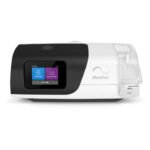
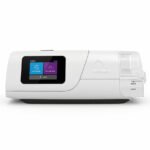
 Featured Machines
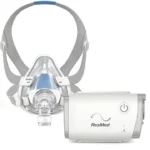 Travel CPAPs
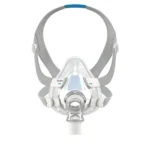
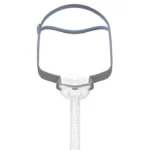 Most Popular Masks
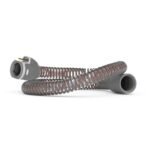
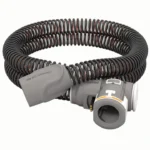 Tubes and Hoses
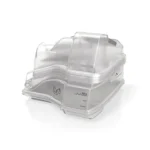 Humidifier Chambers
 Machine Filters
 Power Cords
 Headgear
 Nasal Pillows
 Cushions and Seals



Sleep Apnea Treatment Guide for Better Rest

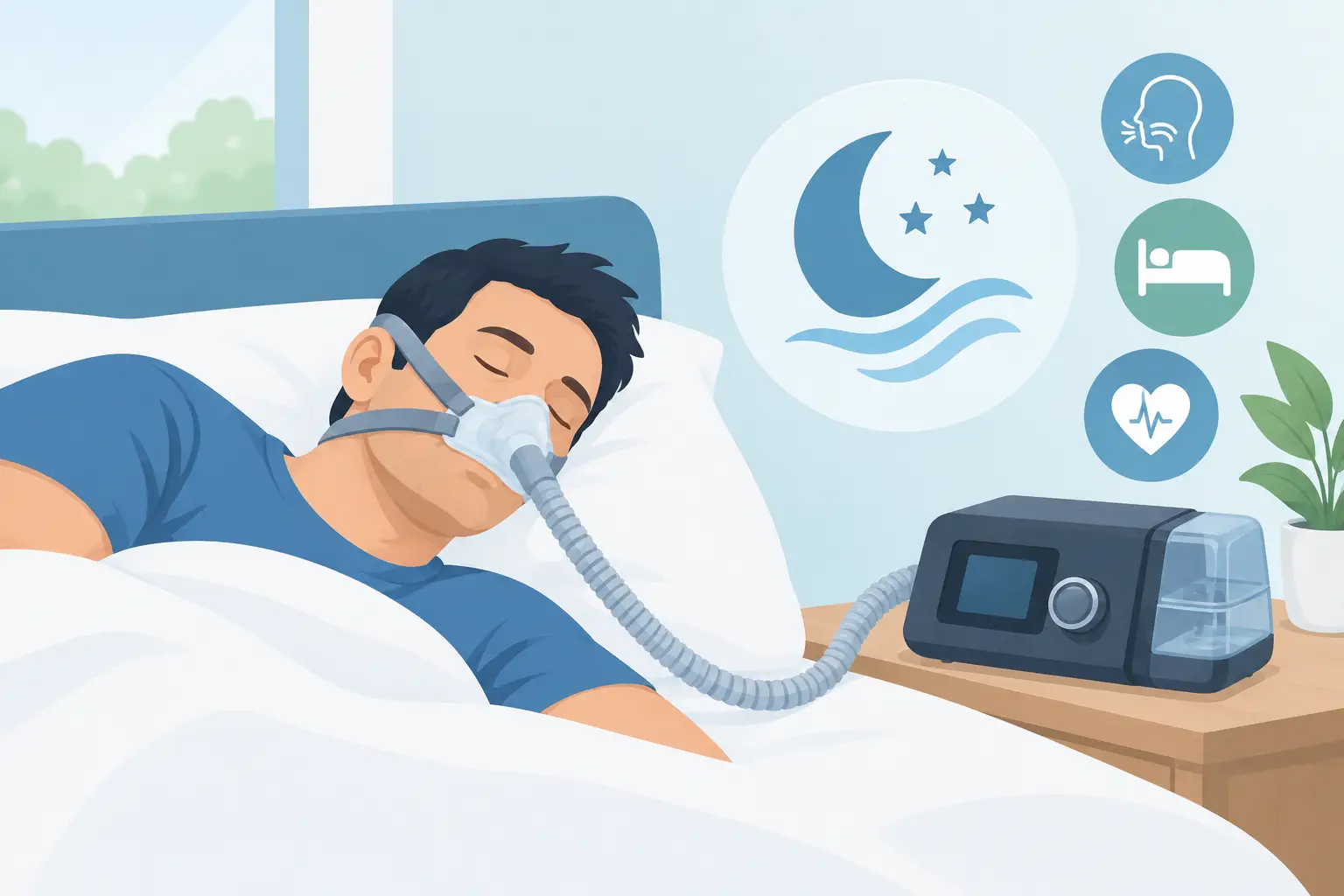
Waking up tired after a full night in bed can feel frustrating, especially when loud snoring, gasping, dry mouth, or repeated awakenings are part of the picture. This sleep apnea treatment guide explains what happens after you suspect or receive a diagnosis, from convenient at-home testing to building a PAP therapy routine that helps you breathe better and sleep deeper.
Start With a Clear Diagnosis
Obstructive sleep apnea occurs when the airway repeatedly narrows or closes during sleep. Your brain briefly wakes you enough to restart breathing, often without you remembering it the next morning. Those interruptions can leave you with fragmented sleep, morning headaches, irritability, trouble concentrating, and persistent daytime fatigue.
Snoring alone does not confirm sleep apnea, but it deserves attention when it comes with witnessed breathing pauses, choking or gasping, high blood pressure, or excessive sleepiness. Sleep apnea can also affect people who do not fit the stereotypical profile of a loud snorer. If symptoms are affecting your energy, safety, mood, or health, it is worth discussing them with a qualified clinician.
For many adults with suspected obstructive sleep apnea, a home sleep apnea test is a practical first step. You use a small device in your own bed, following the testing instructions, and return the data for professional review. Home testing can be especially helpful for people who want privacy and convenience without spending the night in a sleep center.
A home test is not right for every situation. Your clinician may recommend an in-lab sleep study if you have certain heart, lung, or neurologic conditions; concern for another sleep disorder; or a home test that does not provide a clear answer despite ongoing symptoms. The right test is the one that gives your care team enough information to guide safe treatment.
Sleep Apnea Treatment Guide: Your Main Options
Treatment depends on the type and severity of sleep apnea, your anatomy, medical history, symptoms, and preferences. For obstructive sleep apnea, positive airway pressure therapy, often called PAP therapy, is commonly the most effective nonsurgical option. CPAP delivers gentle pressurized air through a mask to help keep the airway open while you sleep.
Many people use an auto-adjusting CPAP, or APAP, machine. It can respond to changes in your breathing throughout the night within settings prescribed by your clinician. Others may need a fixed-pressure CPAP or bilevel therapy, which provides different pressures for inhaling and exhaling. Bilevel therapy may be considered when higher pressures are needed or when standard CPAP is not comfortable or appropriate.
PAP therapy works when it is used consistently. That does not mean every new user loves it on night one. It means giving yourself a realistic adjustment period, addressing discomfort early, and working with a qualified provider when something is not working. A properly fitted setup should feel supportive, not like a nightly battle.
Other options may be appropriate in selected cases. A custom oral appliance, fitted by a qualified dental professional, can help move the jaw or tongue forward to support the airway in some people with mild to moderate obstructive sleep apnea. Positional therapy may help if breathing events occur mainly while sleeping on your back. Weight management, regular movement, limiting alcohol near bedtime, and treating nasal congestion can also support sleep and overall health, but they should not replace prescribed therapy without clinical guidance.
Surgical procedures or implanted therapies may be considered for specific anatomy or for people who cannot use other treatments successfully. These options have potential benefits and trade-offs, including recovery, cost, eligibility requirements, and variable results. A sleep specialist can help put them in context.
Why CPAP Is Often the Starting Point
CPAP and related PAP therapies are effective because they directly address airway collapse while you sleep. When treatment is optimized, many users notice fewer awakenings, quieter nights for their household, and more restorative sleep. Consistent therapy can also support long-term health by reducing the strain that untreated obstructive sleep apnea can place on the body.
The best machine is not simply the one with the most features. It is the one prescribed for your needs and paired with a mask you can wear comfortably. Features such as automatic pressure adjustment, heated humidification, ramp settings, and quiet operation can make the routine more comfortable, but fit and consistency remain central.
The Mask Fit Matters More Than Most People Expect
A mask is the part of therapy you feel every night, so it deserves careful attention. There are three common styles: nasal masks cover the nose, nasal pillow masks rest at the nostrils, and full-face masks cover both the nose and mouth. Each can be effective, and there is no universal best choice.
Nasal pillows are often a good fit for people who want a lighter, less bulky feel. Nasal masks can offer a stable middle ground. Full-face masks may be more suitable for people who breathe through their mouth during sleep, experience frequent nasal congestion, or need higher pressure. If you are unsure where to begin, your sleep clinician or equipment provider can help narrow the options.
Leaks, pressure marks, dry mouth, and a sense of claustrophobia are common adjustment concerns, not signs that you have failed therapy. A mask that is too loose may leak, but overtightening can create more leaks and soreness. Try fitting the mask while lying in your usual sleep position with the machine running. Small adjustments to cushion size, headgear tension, or mask style can make a meaningful difference.
If you regularly wake with a dry nose or mouth, heated humidification may help. Nasal congestion can also make PAP therapy harder to tolerate. Discuss persistent congestion with a clinician rather than simply stopping treatment.
Build a Routine You Can Actually Keep
The most successful PAP routine is usually uncomplicated. Place your machine on a stable surface lower than your mattress when possible, keep tubing positioned so it can move with you, and put your mask on as part of the same wind-down routine each night. Using therapy during a quiet hour of reading or watching television can help you get used to the sensation before sleep.
If pressure feels uncomfortable at the start, a ramp feature may allow the machine to begin at a lower pressure and increase gradually. If you remove the mask during the night, put it back on when you wake up. Progress is built through repetition, not perfection.
Your therapy data can offer useful clues about use time, mask leak, and breathing events, but numbers should be interpreted in context. A low event score does not help much if you are only using the device for a short part of the night. Likewise, a higher-than-expected number may call for a mask adjustment, a review of settings, or a conversation with your provider. Do not change prescribed pressure settings on your own.
Keep Equipment Clean and Replace Worn Parts
Clean equipment supports comfort and reliable therapy. Follow the manufacturer instructions for your specific machine, mask, and humidifier chamber. In general, empty and refresh humidifier water daily, wash the mask cushion regularly with mild soap and water, and allow parts to air-dry fully. Use distilled water in the humidifier chamber when recommended by the manufacturer.
Replacement parts are not merely accessories. Cushions, headgear, filters, tubing, and humidifier chambers wear down over time. A cushion that once sealed well may begin leaking as it ages, while stretched headgear may need tightening that creates discomfort. Replacing supplies on a regular schedule can protect both your comfort and the performance of your setup.
Avoid ozone-based or harsh cleaning products unless the manufacturer specifically approves them. These methods may damage equipment or create concerns about residue and warranty coverage.
Handle Prescriptions, Insurance, and Travel Early
A prescription is generally required to purchase a PAP machine in the United States. If you have an existing diagnosis but need a renewal, virtual care may offer a convenient route to a clinical review and updated prescription when appropriate. Keep a copy of your prescription and sleep study records in a secure place, particularly if your machine is nearing replacement age or you are changing insurance.
Insurance coverage varies by plan, deductible, network status, and medical documentation requirements. Before ordering equipment, verify what your plan covers, whether prior authorization is needed, and whether it requires compliance documentation. Clear answers upfront can prevent unwelcome costs later.
Frequent travelers may benefit from a compact travel CPAP designed for portability. Check the device’s power requirements before a trip, pack it in its protective case, and carry it with you rather than checking it with luggage. If you fly, keep your prescription or a medical equipment note available if needed. A travel machine can make consistent therapy easier, but it should still be selected with your prescribed treatment needs in mind.
Know When to Ask for More Support
Reach out to your clinician or equipment support team if you have persistent leaks, skin irritation, severe dry mouth, pressure intolerance, ongoing daytime sleepiness, or trouble using therapy for most of the night. These are fixable problems in many cases, and waiting can turn a small obstacle into a reason to abandon treatment.
Seek urgent medical attention for severe shortness of breath, chest pain, fainting, or other emergency symptoms. PAP equipment is a treatment tool, not a substitute for urgent care.
Better sleep rarely comes from forcing yourself through discomfort. It comes from finding the treatment plan, mask fit, and support that make nightly breathing feel natural enough to become part of your life – one more step toward a rejuvenating night’s sleep.