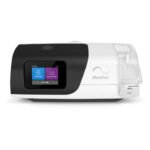
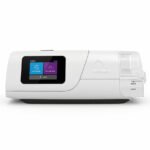
 Featured Machines
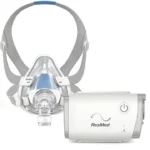 Travel CPAPs
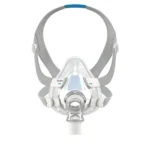
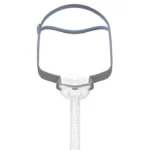 Most Popular Masks
 Tubes and Hoses
 Humidifier Chambers
 Machine Filters
 Power Cords
 Headgear
 Nasal Pillows
 Cushions and Seals



Sleep Study Results Guide: What Your Numbers Mean

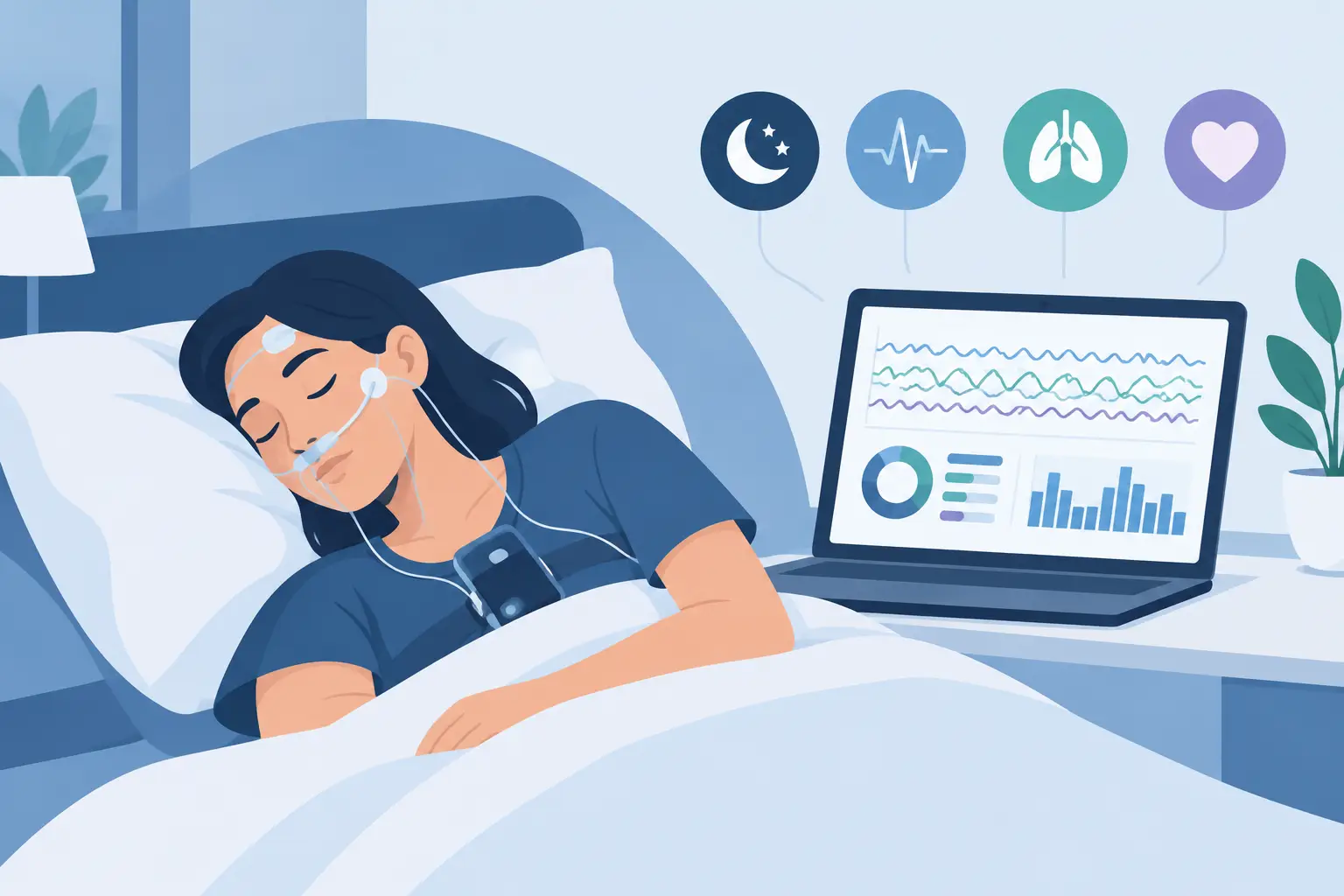
A sleep study report can feel like it was written for a lab, not for someone who simply wants to stop waking up exhausted. This sleep study results guide translates the terms and numbers you may see, so you can better understand what your testing found and what may help you breathe better and sleep deeper.
Whether you completed a home sleep apnea test or an overnight sleep-center study, the report is only one part of the picture. Your symptoms, medical history, oxygen levels, and the type of breathing events detected all help a qualified clinician decide on the right next step.
Start With the Bottom Line of Your Report
Most reports include an interpretation or impression near the beginning or end. This section often states whether the study supports a diagnosis of obstructive sleep apnea, how severe it appears, and whether treatment is recommended.
Sleep apnea severity is commonly described as mild, moderate, or severe. Those labels are useful, but they do not tell the whole story. A person with “mild” apnea and significant daytime sleepiness, high blood pressure, or frequent oxygen drops may benefit greatly from treatment. On the other hand, a single number should never be used to diagnose yourself without a clinician reviewing the complete report.
Home sleep apnea tests are designed primarily to identify obstructive sleep apnea in appropriate adults. They are convenient, private, and often a practical first step when symptoms such as loud snoring, witnessed pauses in breathing, morning headaches, or persistent fatigue point to possible apnea. Because home tests collect fewer measurements than a full in-lab study, some reports use slightly different terms and calculations.
The AHI and REI: The Numbers Most People Notice
The apnea-hypopnea index, or AHI, measures the average number of breathing disruptions per hour of sleep. An apnea is a complete or near-complete pause in breathing. A hypopnea is a partial reduction in breathing that is typically accompanied by a drop in oxygen or a sleep disruption.
For adults, AHI is often categorized this way:
- Less than 5 events per hour is generally considered within the normal range.
- 5 to 14.9 events per hour is commonly classified as mild sleep apnea.
- 15 to 29.9 events per hour is commonly classified as moderate sleep apnea.
- 30 or more events per hour is commonly classified as severe sleep apnea.
A home sleep test may report an REI, or respiratory event index, instead. It is similar to AHI, but it may use recording time rather than confirmed time asleep. If you spent part of the night awake while wearing the device, the REI can sometimes underestimate how often breathing events occurred during actual sleep. That does not make the test unhelpful. It simply explains why your clinician may weigh the report alongside your symptoms and overall health.
Your AHI or REI may also be broken down by body position. Some people have substantially more events while sleeping on their back. Positional changes can be part of a treatment conversation, but they are not always enough on their own, particularly when apnea is moderate or severe or when symptoms continue.
Why the “Average” Is Not the Entire Story
Two people can have the same AHI and feel very different. One may have brief events with minimal oxygen impact, while another may have longer events, deeper oxygen drops, or substantial sleep fragmentation. Conditions such as heart disease, high blood pressure, atrial fibrillation, diabetes, and chronic daytime sleepiness can also affect how urgently treatment should be addressed.
That is why a result of 12 events per hour is not merely a number to file away. It is a starting point for a care plan that fits your breathing, comfort needs, and lifestyle.
Understanding Oxygen Levels During Sleep
Your report may include oxygen saturation, often shown as SpO2. This number estimates how much oxygen your blood is carrying. Many healthy adults spend most of the night in the mid-to-high 90% range, although normal readings vary with altitude, lung health, and other factors.
The report may list your average oxygen level, lowest oxygen level, and the amount of time spent below a certain threshold, such as 90%. Brief changes can happen for several reasons. Repeated or extended drops deserve clinical attention because they may reflect the impact of disrupted breathing during sleep.
A low oxygen reading should not be interpreted in isolation. Device fit, movement, circulation, and other medical conditions can affect measurements. Your clinician can determine whether the pattern is consistent with obstructive sleep apnea, whether more evaluation is needed, and how treatment may improve overnight breathing.
Obstructive, Central, and Mixed Events
Not all breathing pauses happen for the same reason. Knowing the event type can help guide treatment.
Obstructive apneas occur when the airway narrows or closes despite continued effort to breathe. This is the most common pattern in sleep apnea and is often associated with snoring, gasping, dry mouth, and unrefreshing sleep. Continuous positive airway pressure, or CPAP therapy, keeps the airway open with a gentle stream of pressurized air.
Central apneas happen when the brain temporarily does not send the usual signal to breathe. Mixed apneas include features of both obstructive and central events. Central or mixed findings do not automatically mean something dangerous is happening, but they do require careful interpretation. They may influence whether standard CPAP, bilevel therapy, additional testing, or a different clinical approach is appropriate.
Do not choose a machine or pressure setting based only on event labels in a report. Prescription-based therapy is customized for a reason, and the right equipment depends on your diagnosis and clinical recommendations.
Other Terms You May See on a Sleep Study
A report may mention snoring, heart rate, respiratory effort, sleep position, or sleep stages. An in-lab study can also measure brain activity, leg movements, and arousals – brief awakenings that may not be remembered in the morning.
The arousal index reflects how often sleep was interrupted. Frequent arousals can contribute to poor sleep quality even when you do not fully wake up. A leg movement index may be included when repetitive limb movements are observed. These findings can be relevant, but they do not necessarily mean you have a separate sleep disorder.
Some reports include a sleep efficiency score, which compares estimated time asleep with total time in bed. This is more common in in-lab testing. A low score may reflect discomfort, anxiety, insomnia, pain, or an unfamiliar sleep environment. It is one reason a single night of data always needs context.
What Happens After a Positive Sleep Apnea Result?
A positive result is not a judgment and does not mean better sleep is out of reach. It gives you a clear explanation for symptoms that may have been wearing you down for years. The next step is usually a consultation with a qualified provider who can review the findings, answer questions, and determine whether PAP therapy is appropriate.
For many adults with obstructive sleep apnea, CPAP or auto-adjusting PAP therapy is highly effective. An auto-adjusting device can respond to changing pressure needs through the night, which may be especially helpful when apnea varies by sleep position, nasal congestion, or sleep stage. Some people need bilevel therapy, while others may discuss oral appliances, positional strategies, weight management, or treatment for nasal obstruction.
Comfort matters as much as consistency. A full-face mask can be useful for people who breathe through their mouth or experience nasal congestion. Nasal masks and nasal pillow masks can feel lighter for others. Heated humidification may reduce dryness, and a properly fitted mask can prevent leaks that interrupt sleep. The best option is the one you can use comfortably night after night.
At Sleep Restoration Center, the care pathway can bring home testing, virtual clinical support, prescription services, insurance verification, and premium PAP equipment into one more convenient experience. That can reduce the frustration of trying to coordinate every step through separate offices and suppliers.
When Results Are Negative but Symptoms Continue
A negative or inconclusive home test does not always rule out sleep apnea. If you still have loud snoring, witnessed breathing pauses, frequent awakenings, excessive daytime sleepiness, or other concerning symptoms, tell your provider. Depending on your situation, they may recommend an in-lab sleep study or evaluate other causes of disrupted sleep.
This is particularly relevant if you have significant heart or lung disease, possible central sleep apnea, severe insomnia, neuromuscular conditions, or other factors that can make a home test less definitive. Trust what your body is telling you. Persistent fatigue deserves a thoughtful answer.
Your report is not a scorecard. It is a practical tool for moving toward more restorative sleep, steadier energy, and a treatment routine that feels manageable in your own home.