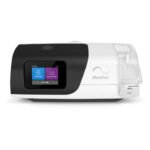
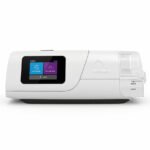
 Featured Machines
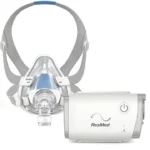 Travel CPAPs
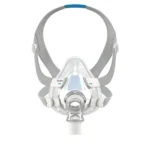
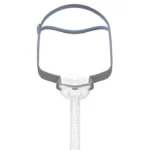 Most Popular Masks
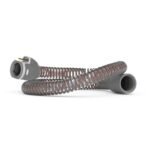
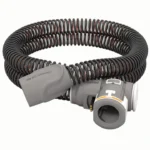 Tubes and Hoses
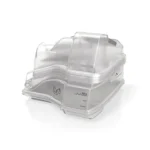 Humidifier Chambers
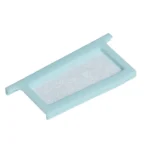 Machine Filters
 Power Cords
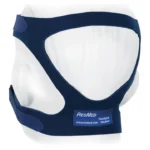 Headgear
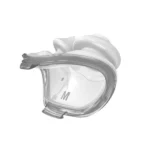 Nasal Pillows
 Cushions and Seals



CPAP Acclimation for More Comfortable Sleep

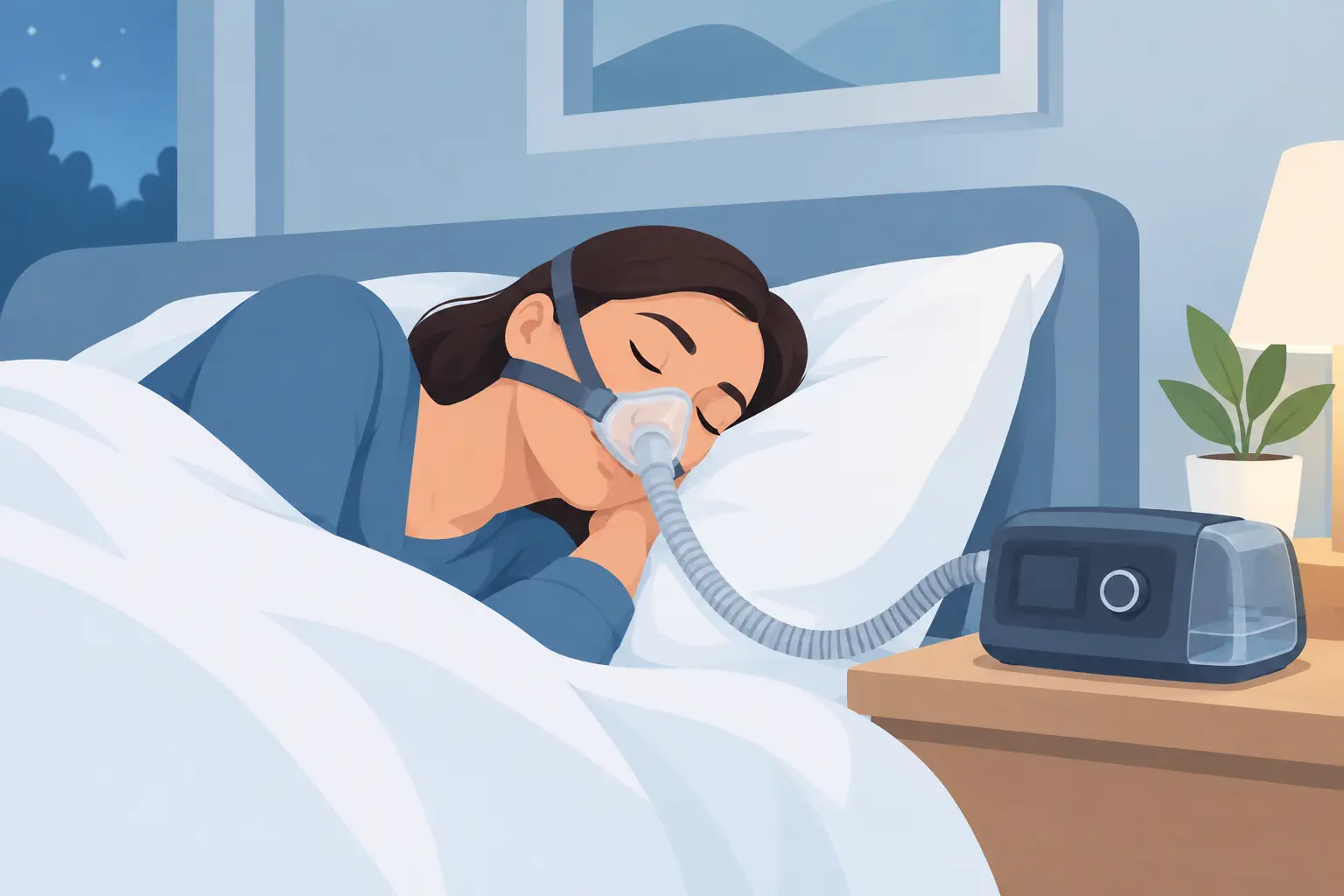
The first few nights with CPAP can feel surprisingly personal. You are wearing a mask, hearing a new sound, and changing a routine that may have been in place for decades. CPAP acclimation is not about forcing yourself to sleep through discomfort. It is the gradual process of helping your body, your equipment, and your bedtime routine work together so you can breathe better and sleep deeper.
For many people, the adjustment period lasts days to a few weeks. Some feel comfortable almost immediately, while others need a little more time to find the right mask fit, humidity setting, or pressure comfort feature. Progress is rarely perfectly linear. A difficult night does not mean treatment is failing, and it does not mean you are doing anything wrong.
What CPAP Acclimation Actually Feels Like
CPAP therapy keeps your airway open by delivering a steady stream of pressurized air through a mask. If you have spent years sleeping with untreated obstructive sleep apnea, that sensation can initially feel unfamiliar. You may notice the airflow when you first lie down, become more aware of your breathing, or wake up briefly because the mask has shifted.
The goal is not to ignore those sensations. The goal is to identify what is getting in the way and make a practical adjustment. A mask that leaks into your eyes needs a fit check. A dry mouth may point to mouth breathing, low humidity, or a mask style that does not match your needs. Feeling as though the pressure starts too strongly may be helped by a ramp feature or a conversation with your sleep care provider.
Many modern CPAP machines, including auto-adjusting options, are designed to respond to your breathing throughout the night. Still, comfort comes from more than technology. The right setup, consistent use, and a little patience often make the greatest difference.
Start With Short, Low-Pressure Practice Sessions
Do not wait until you are exhausted to put on your CPAP for the first time. Practicing while awake can make the equipment feel much less intrusive at bedtime. Sit in a comfortable chair, turn on the machine, and wear the mask for 15 to 30 minutes while reading, watching television, or listening to something relaxing.
Keep your breathing natural. You do not need to take unusually deep breaths or try to match the machine. Let the air flow while you breathe at your own pace. This teaches your brain that the mask and airflow are safe, predictable parts of your environment.
If you feel anxious, start with the mask on but the machine off for a few minutes. Then add airflow once the mask itself feels more familiar. Repeating this process during the day for several sessions can be more effective than trying to push through a full uncomfortable night.
Make Mask Comfort the First Priority
A mask should create a gentle seal, not leave you feeling squeezed. One of the most common mistakes for new users is tightening the headgear too much. Over-tightening can create facial pressure, skin marks, and even more leaks because the cushion cannot sit properly against the skin.
Fit your mask while lying in your usual sleeping position with the machine running. Your face changes slightly when you lie down, and a mask that seems secure while standing at the bathroom mirror may leak when you turn onto your side. Adjust the straps in small increments and give the cushion a moment to settle.
Mask choice matters, too. Nasal pillows are compact and can feel less confining for people who breathe comfortably through the nose. Nasal masks cover the nose and may offer a stable, familiar feel. Full-face masks cover the nose and mouth and are often helpful for people who breathe through their mouth during sleep or deal with frequent nasal congestion.
There is no single best mask style. The best choice is the one that gives you a reliable seal without making you dread bedtime. If you have tried several careful adjustments and still feel uncomfortable, ask about a different size, cushion, or mask style rather than assuming CPAP is not for you.
Use Humidity and Temperature to Ease Dryness
Dry nose, dry mouth, congestion, or a scratchy throat can make therapy harder than it needs to be. Heated humidification adds moisture to the airflow and can make CPAP feel more natural, especially in dry climates or during winter.
Start at a moderate humidity setting and adjust gradually. If your nose and throat feel dry, increase humidity a step at a time. If you notice water collecting in the tubing or mask, called rainout, lower the humidity slightly or consider a heated tube if compatible with your equipment. Keeping the bedroom a little warmer or routing tubing under the bedcovers can also reduce condensation.
If you consistently wake with a dry mouth while using a nasal mask, do not simply turn the humidity higher and hope for the best. Mouth opening may be allowing air to escape. A full-face mask, a chin strap when appropriate, or treatment for ongoing nasal congestion may be more useful options. Your provider can help you decide what fits your situation safely.
Build a Bedtime Routine That Supports Therapy
CPAP works best when it becomes part of the ordinary sequence of getting ready for sleep. Wash your face to remove skin oils that can weaken the mask seal. Fill the humidifier chamber with distilled water if you use humidification. Check that the tubing is connected, then put on the mask after you settle into bed.
Try to use therapy every time you sleep, including naps. Wearing CPAP for only part of the night may feel easier at first, but untreated apnea often returns as soon as the mask comes off. Consistency helps your body adjust and gives your care team more useful information about how therapy is working.
A few small changes can reduce frustration. Keep the tubing positioned so it can move when you turn. Use a hose management clip or route the tubing over the headboard if pulling is waking you up. If you are a side sleeper, a CPAP-friendly pillow or simply arranging the pillow edge so the mask has room can prevent leaks.
Know Which Problems Need a Professional Adjustment
Some discomforts improve with practice. Others deserve timely support. Contact your prescribing clinician, sleep care provider, or equipment team if you have persistent claustrophobia, ongoing leaks despite correct fitting, painful pressure marks, frequent aerophagia such as painful bloating from swallowed air, or pressure that feels intolerable.
You should also seek guidance if you develop significant nasal irritation, nosebleeds, chest discomfort, new shortness of breath, or if you remove the mask unconsciously every night despite repeated acclimation efforts. Do not change prescribed pressure settings on your own unless your clinician has specifically instructed you to do so. Pressure settings are part of your treatment plan, not just a comfort preference.
If you are still waiting on a diagnosis or need an updated prescription, home-based testing and virtual care can help make the next step more manageable. Sleep Restoration Center supports a connected path from home sleep apnea testing and prescription support to CPAP equipment and replacement supplies, so you can address practical therapy needs without juggling multiple places.
Keep Equipment Clean Without Making It Complicated
A clean mask cushion is more comfortable and more likely to seal well. Wipe the cushion regularly with gentle soap and water, rinse thoroughly, and allow it to air-dry away from direct heat. Follow the cleaning instructions provided for your specific machine, mask, tubing, and humidifier chamber.
Replace supplies on schedule when they show wear. Cushions can lose their seal, headgear can stretch, filters can collect dust, and tubing can become less flexible over time. If a mask that once fit well suddenly starts leaking, a worn cushion may be the reason.
Avoid harsh cleaners, scented products, or unapproved devices that could damage equipment or leave irritating residue. Simple, routine care is usually enough.
Give Yourself Permission to Adjust
CPAP acclimation is a skill, not a test of willpower. The most successful users are not necessarily the people who never notice their mask. They are the people who respond to problems early, make thoughtful changes, and keep returning to therapy as their comfort improves.
Tonight, focus on one manageable step: wear the mask for a calm practice session, refine the fit while lying down, or prepare your humidifier before bed. Each comfortable night helps make the next one easier, bringing you closer to the rejuvenating sleep and steadier energy you deserve.