 Featured Machines
 Travel CPAPs
 Most Popular Masks
 Tubes and Hoses
 Humidifier Chambers
 Machine Filters
 Power Cords
 Headgear
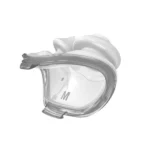 Nasal Pillows
 Cushions and Seals



Best CPAP Masks for Beards That Actually Work

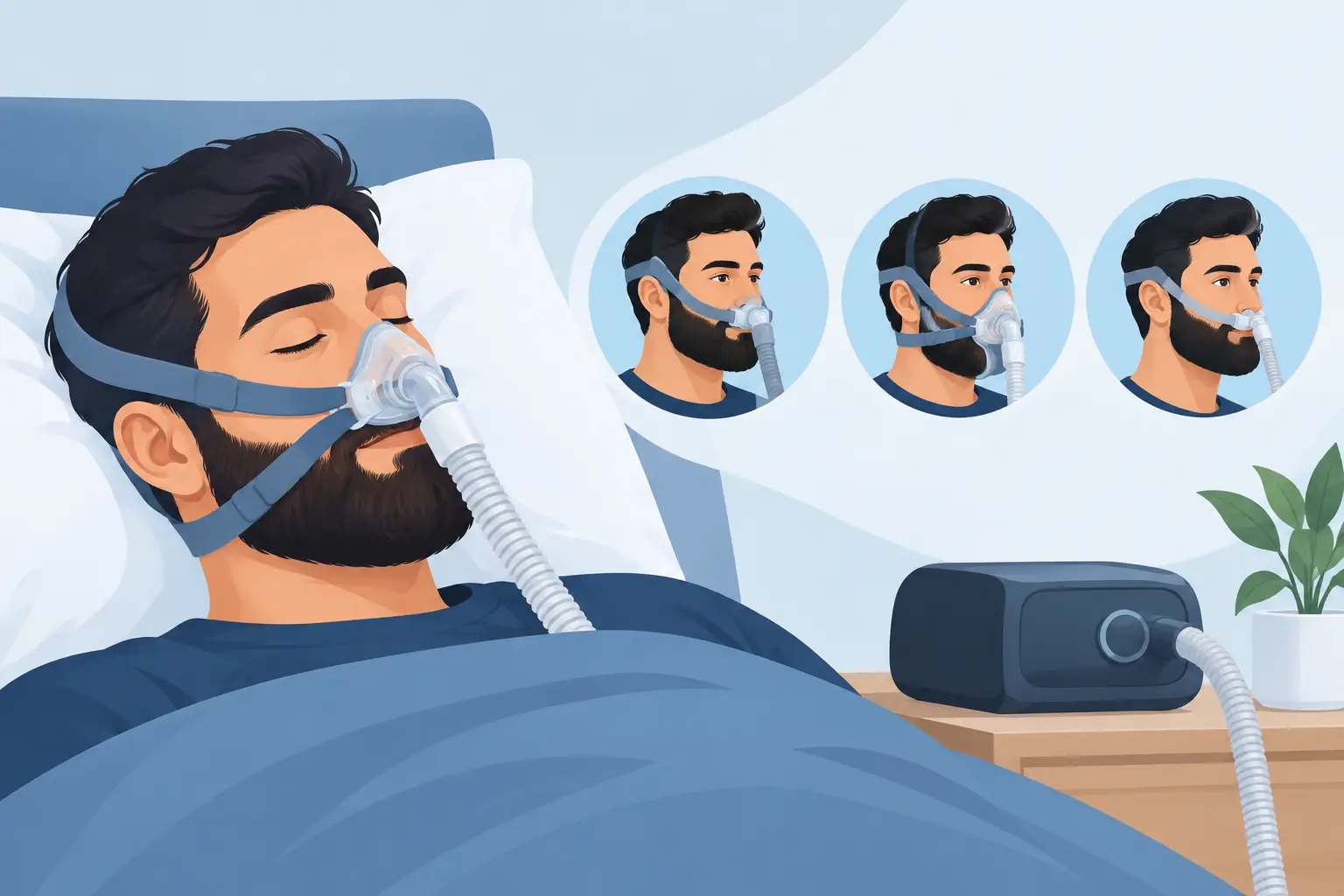
A beard should not stand between you and a rejuvenating night’s sleep. Still, facial hair can make a CPAP mask leak, whistle, shift, or leave you tightening the headgear until it feels uncomfortable. The best CPAP masks for beards usually reduce the amount of cushion that must seal against hair, but the right choice also depends on whether you breathe through your nose, open your mouth during sleep, and need higher therapy pressure.
A better fit is not about forcing one mask to work for every face. It is about finding a style that supports your prescribed therapy while letting you breathe better, sleep deeper, and wake up ready for the day.
Why beards can make CPAP masks leak
CPAP masks work by creating a gentle, consistent seal against the skin. A full beard creates tiny pathways beneath a conventional silicone cushion, allowing pressurized air to escape. Even a small leak can become disruptive when pressure rises during the night. You may notice air blowing toward your eyes, dry mouth, noise, or reduced comfort.
The problem is often greatest with traditional full-face masks because their cushions cover a larger area around the nose and mouth. That does not mean people with beards cannot use a full-face mask. It means cushion design, facial-hair length, sizing, and fitting technique matter more.
A mask leak is not always a beard issue, either. An old cushion, the wrong size, overtightened straps, sleeping-position changes, or a humidifier setting that leaves you congested can all affect your seal. Before deciding a mask style has failed, look at the whole setup.
Best CPAP masks for beards by mask style
There is no single best mask for every bearded CPAP user. In practice, nasal pillows are often the simplest starting point for people who can comfortably keep their mouth closed while sleeping. Full-face masks may be necessary for mouth breathers, nasal congestion, or certain pressure needs, but selecting the right design becomes especially important.
Nasal pillow masks: the least facial-hair contact
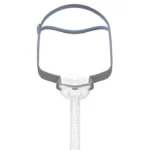
Nasal pillow masks seal at the entrance of the nostrils rather than across the upper lip, cheeks, or beard. For a person with a full beard or mustache, that small contact area can make a major difference. Because the cushion does not need to seal over facial hair, nasal pillows frequently provide the most dependable option for controlling leaks.
The ResMed AirFit P10 and AirFit P30i are examples of nasal pillow designs that many users find lightweight and low profile. The AirFit P10 keeps the setup minimal, while the AirFit P30i routes tubing over the head, which can be helpful for people who change positions often.
The trade-off is that nasal pillows are not ideal for everyone. If you regularly breathe through your mouth at night, you may wake with dry mouth or lose therapy air through your lips. A chin strap, treatment for nasal congestion, or a different mask type may help, but do not assume you must tolerate discomfort. Your sleep care provider can help you narrow down the cause.
Nasal masks: a practical middle ground
A nasal mask rests around the nose, with a cushion that usually sits above the upper lip instead of covering the mouth. This can work well for people with shorter beards, trimmed mustaches, or facial hair concentrated below the mouth. It offers more structure than nasal pillows while avoiding the large seal of a traditional full-face design.
The ResMed AirFit N20 is a familiar choice in this category because its cushion is designed to adapt to different facial contours. It may be a good fit when you prefer the feel of a nasal mask but want to minimize contact with your beard.
If your mustache extends high onto the upper lip, test the fit carefully. The lower edge of a nasal cushion may still sit on hair. A small leak at the beginning of the night can become more noticeable once you relax into sleep, so try the mask at your usual therapy pressure rather than judging it only while the machine is off.
Full-face masks: best when mouth breathing is part of the picture
If you need to breathe through your mouth, a full-face mask remains a valuable treatment option. The goal is to choose a design that limits contact with thick facial hair and stays stable without being overtightened.
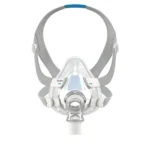
Traditional over-the-nose full-face masks, such as the ResMed AirFit F20, can work for people with neatly trimmed beards, particularly when fitted in the correct cushion size. Its broader cushion can be more challenging with a dense beard, but some users find that a careful fit and regular cushion replacement control leaks well.
For a fuller beard, an under-the-nose full-face design may be worth considering. The ResMed AirFit F30i and AirFit F40 seal beneath the nose while covering the mouth, rather than placing a cushion over the bridge of the nose. This can reduce pressure on the upper face and offer a more open field of vision. It does not eliminate contact with a beard around the mouth and jaw, but the cushion shape may work better than a traditional full-face mask for some facial-hair patterns.
The AirTouch F20 is another option to discuss if you prefer a full-face mask. Its memory foam cushion feels different from silicone and may be comfortable for certain users. However, it still needs contact around the beard area, and foam cushions have specific cleaning and replacement requirements. Follow the manufacturer’s care instructions rather than washing it like a silicone cushion.
Choose based on your beard, breathing, and sleep habits
The length and placement of your facial hair matter more than the label on the mask box. A short, closely trimmed beard may allow a nasal or full-face cushion to seal reliably. A long or dense beard under the lower lip and along the jaw usually favors nasal pillows, provided nasal breathing is comfortable. A prominent mustache can complicate both nasal and full-face cushions, depending on how high it reaches.
Your sleep habits matter just as much. Side sleepers often benefit from a low-profile mask that does not get pushed sideways into the pillow. Active sleepers may prefer top-of-head tubing, which leaves more room to turn. If you use higher pressures or bilevel therapy, mask stability becomes especially important because even a minor gap can create an annoying leak.
Do not select a nasal-only mask solely to avoid beard leaks if you consistently wake up with a dry mouth. That symptom can signal mouth leak. The most comfortable-looking mask is only helpful when it delivers therapy effectively through the night.
How to get a better seal without shaving
Start with a clean face and a clean, dry cushion. Facial oils, beard products, and moisture can make any mask slip. Avoid applying beard balm, oil, or moisturizer where the cushion touches before bed. You do not need to abandon your grooming routine – simply apply products earlier in the evening and keep the seal area clear at bedtime.
Fit the mask while lying down with your CPAP machine running. Your facial muscles and pillow position change when you recline, so a mirror check while standing rarely tells the full story. Adjust the straps in small increments. Pulling them too tight can distort the cushion, create pressure marks, and actually worsen leaks.
Replace worn cushions and headgear on schedule. Silicone gradually loses its ability to seal, and stretched headgear cannot hold the mask in its intended position. If a mask that once worked well starts leaking, replacement supplies may solve the issue without requiring a new mask style.
A mask liner can help some bearded users by adding a soft fabric barrier that absorbs moisture and reduces minor leaks. Results vary, and liners can change the way a cushion fits, so use them as a comfort tool rather than a substitute for correct mask sizing.
When it is time to ask for help
Persistent leaks, skin irritation, dry mouth, noisy therapy, or a sense that you are fighting the mask are reasons to get support. Your device’s leak data can provide useful clues, but numbers alone do not explain whether the issue is beard contact, mouth breathing, a worn cushion, or an incorrect size.
If you are new to therapy, make sure your prescription and treatment settings are current before changing equipment. For established users, virtual support can make it easier to review mask options, renew a prescription when appropriate, verify insurance coverage, and replace the supplies that affect nightly comfort. Sleep Restoration Center is built to bring those steps together from home, with guidance focused on making therapy feel manageable.
Your beard is part of your routine, not a reason to settle for disrupted treatment. Give yourself permission to try a mask style that matches the way you breathe and sleep. The right fit can turn CPAP from something you endure into a dependable part of your path toward more restorative rest.