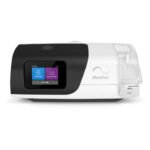
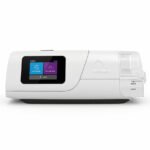
 Featured Machines
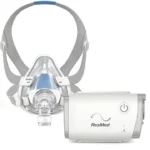 Travel CPAPs
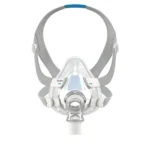
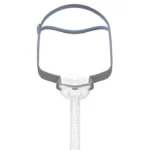 Most Popular Masks
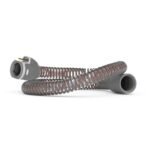
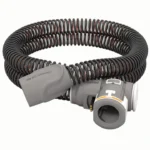 Tubes and Hoses
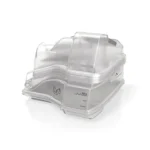 Humidifier Chambers
 Machine Filters
 Power Cords
 Headgear
 Nasal Pillows
 Cushions and Seals



CPAP Reviews: What Matters Before You Buy

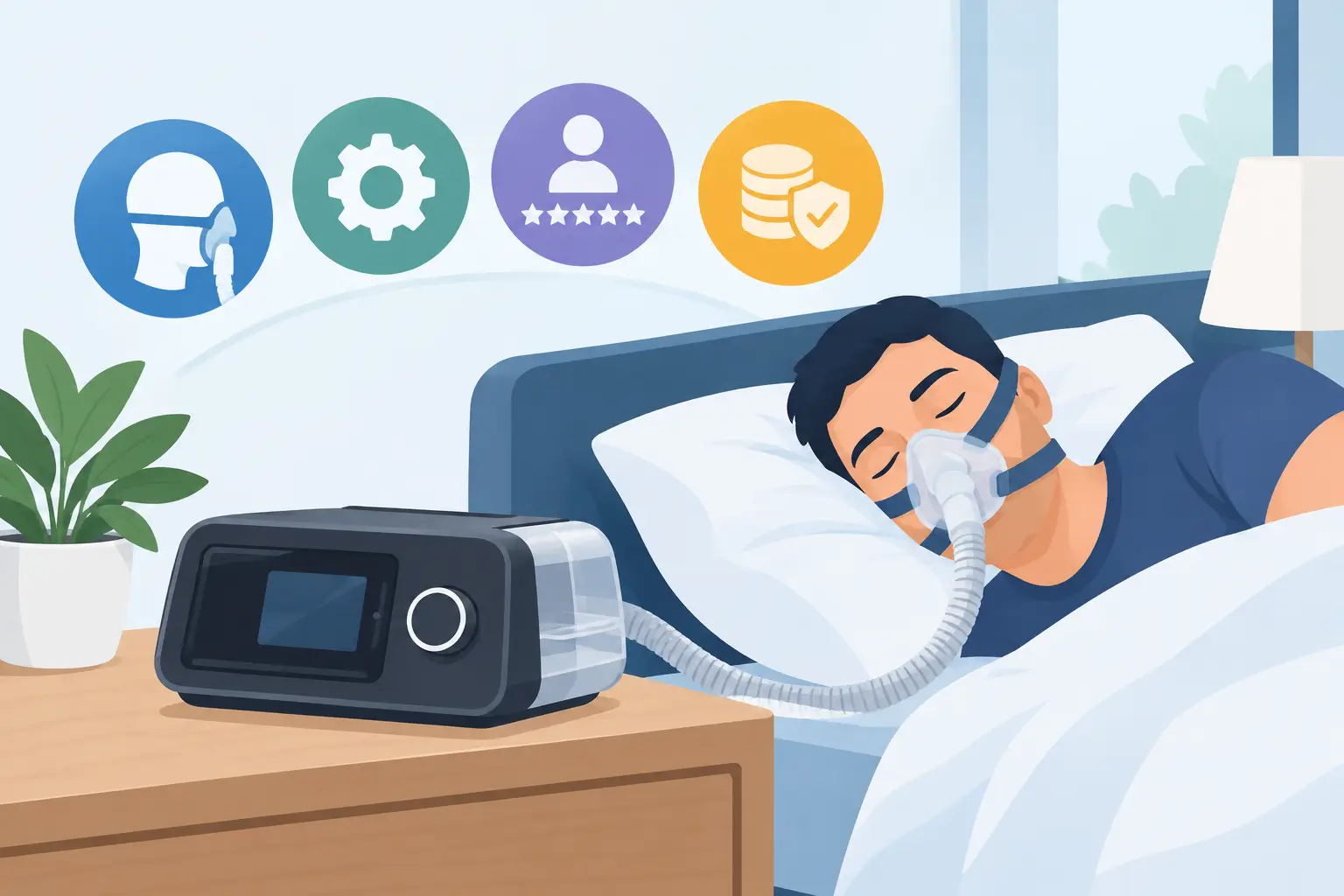
A five-star rating can tell you that a CPAP machine arrived quickly. It cannot tell you whether the mask will seal comfortably around your nose, whether the pressure feels natural when you exhale, or whether you will wake up feeling more restored. That is why reading CPAP reviews takes a little more care than shopping for an ordinary household product. The right therapy setup is personal, and the best choice is the one you can use comfortably and consistently night after night.
For many people, that consistency is where better sleep begins. If snoring, breathing pauses, morning headaches, or daytime fatigue have disrupted your life, CPAP therapy can be a practical path toward breathing better and sleeping deeper. Reviews can help you narrow the field, but they should support your decision, not make it for you.
How to Read CPAP Reviews More Carefully
Start by looking for details that match your own sleep habits and therapy needs. A reviewer who sleeps on their stomach, uses a full-face mask, travels weekly for work, or needs higher pressure may have a very different experience than someone who sleeps on their side with nasal pillows.
The most useful reviews explain the situation behind the opinion. Instead of relying on statements such as “great machine” or “this mask did not work,” look for specifics: Did the machine remain quiet after several months? Did the user experience dry mouth? Was the mask easy to clean? Did the pressure ramp make it easier to fall asleep? Did customer support help resolve a fitting or setup question?
Also consider timing. A review written after one night may reflect the normal adjustment period, not the long-term experience. CPAP therapy often involves a learning curve. A mask that feels unfamiliar at first may become comfortable after a few nights of small fit adjustments. On the other hand, ongoing leaks, skin irritation, or persistent discomfort deserve attention rather than simply more patience.
CPAP Reviews Should Separate the Machine From the Mask
One of the most common sources of confusion is blaming the machine for a mask-related problem. Your CPAP machine delivers prescribed therapy pressure. The mask is the part that touches your face, manages the seal, and strongly influences day-to-day comfort.
A person may love an auto-adjusting CPAP machine but dislike a particular nasal mask because it shifts when they turn over. Another person may report dry mouth with a nasal mask because they breathe through their mouth during sleep, not because the machine is ineffective. In that case, a full-face mask, chin support recommended by a clinician, or humidity adjustment may be worth discussing.
When comparing reviews, notice whether the writer identifies the exact equipment used. A meaningful review should make clear whether it applies to a machine, full-face mask, nasal mask, nasal pillow system, heated tubing, humidifier chamber, or replacement cushion. Each component affects your experience in a different way.
What Comfort Comments Really Mean
“Comfortable” is a helpful starting point, but it is not a universal measurement. Your facial shape, skin sensitivity, sleep position, facial hair, and pressure needs can all change how a mask feels and seals.
Pay close attention to comments about pressure points on the bridge of the nose, marks on the cheeks, leaks near the eyes, or headgear slipping overnight. These can be especially relevant if several reviewers describe the same issue. Still, a complaint is not automatically a reason to rule out a mask. Correct sizing and strap tension matter. Overtightening a mask often makes leaks and discomfort worse, not better.
A good mask should feel secure without being painfully tight. It should allow you to move naturally in bed and make it easier to continue therapy, not create a new reason to avoid it.
Compare Therapy Features, Not Just Star Ratings
Premium CPAP equipment often includes features designed to make treatment more comfortable, but the feature that matters most depends on your needs. Auto-adjusting CPAP machines can respond to changes in your breathing throughout the night within the prescribed range. Many users appreciate this because therapy can feel less forceful when higher pressure is not needed.
Comfort settings that reduce pressure during exhalation may also matter if you feel as though you are pushing against the airflow. Humidification can help relieve dryness in the nose, mouth, and throat. Heated tubing may be useful for people who experience condensation in the tube or want more consistent moisture delivery.
Reviews about noise deserve context, too. Modern CPAP machines are generally designed for quiet operation, but “quiet” may refer to different sounds. A reviewer may hear airflow from the mask, a leak from a loose cushion, or occasional tubing noise rather than sound from the machine itself. If noise is a concern, look for reviews that explain what the user heard and whether changing the mask fit resolved it.
For people with more complex pressure requirements, bilevel therapy may be prescribed instead of standard CPAP or auto CPAP. Bilevel devices use different pressure levels for inhaling and exhaling. They are not simply an upgrade for comfort, so it is essential to follow the guidance of your sleep clinician and prescription.
The Best CPAP Reviews Address Daily Life
The real test of equipment happens at home: after a long workday, during allergy season, while sharing a room with a partner, or when packing for a trip. The most helpful reviews describe these everyday conditions.
If you travel often, prioritize feedback on portability, power options, carrying cases, and the ease of using a travel CPAP in hotels or on the road. A travel device can be a valuable companion, but it may offer fewer humidification options than a bedside machine. That trade-off may be worthwhile for frequent travelers, while someone using therapy mainly at home may prefer the added comfort of a full-size machine with integrated humidification.
If you are new to therapy, look for comments about setup and routine. Clear controls, an easy-to-fill water chamber, simple filter replacement, and accessible cleaning routines can make a meaningful difference. The best device is not necessarily the one with the longest feature list. It is the one that fits your prescribed treatment and feels manageable every evening.
Watch for the Limits of Online Reviews
Reviews are personal experiences, not medical recommendations. A high rating does not confirm that equipment is appropriate for your diagnosis or prescription, and a negative review may come from a poor fit rather than a poor product.
Be cautious with reviews that promise immediate cures, recommend changing pressure settings without clinical direction, or dismiss regular supply replacement as unnecessary. Worn cushions, stretched headgear, blocked filters, and aging tubing can affect comfort and therapy performance over time. Replacing supplies on schedule helps maintain a dependable seal and cleaner airflow.
It also helps to recognize that treatment results can take time. Some people notice a difference quickly. Others need an adjustment period while they learn to sleep with a mask, address congestion, refine humidity settings, or find the right mask style. Support and follow-up matter just as much as the equipment itself.
Questions to Ask Before Choosing CPAP Equipment
Before you decide, bring the reviews back to your own needs. Consider whether you breathe through your nose or mouth, whether you sleep on your side, whether you experience nasal dryness, and how often you travel. Think about the features that would remove friction from your nighttime routine rather than features you may never use.
Make sure you understand prescription requirements, insurance coverage, replacement-supply eligibility, and return policies before ordering. If your prescription needs to be renewed or you have not yet been tested, a home sleep apnea test and virtual consultation can help you move forward privately and conveniently. Sleep Restoration Center can support that path from assessment and prescription support to premium PAP equipment and ongoing supplies.
A thoughtful CPAP purchase is not about finding the product that received the loudest praise. It is about building a treatment routine you can trust. Choose equipment that fits your clinical needs, ask for guidance when something feels off, and give yourself room to adjust. Each comfortable night of therapy is a practical step toward a more rejuvenating night’s sleep.