 Featured Machines
 Travel CPAPs
 Most Popular Masks
 Tubes and Hoses
 Humidifier Chambers
 Machine Filters
 Power Cords
 Headgear
 Nasal Pillows
 Cushions and Seals


ResMed AirMini Travel Review for Frequent Flyers


A hotel room should not mean choosing between treating your sleep apnea and traveling light. In this ResMed AirMini travel review, we look at what this compact CPAP does especially well, where it asks you to compromise, and whether it can help you breathe better and sleep deeper away from home.
What Makes the ResMed AirMini Different?
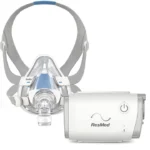
The AirMini is designed for one job: delivering effective PAP therapy in a package small enough to fit comfortably in a carry-on, backpack, or bedside travel bag. At well under a pound, it takes up a fraction of the space of a traditional bedside CPAP. That matters when you are packing for a work trip, visiting family, taking a road trip, or simply trying to avoid checking a large bag.
Despite its size, the AirMini offers the core therapy features many ResMed users rely on. Depending on the prescribed model and settings, it can provide automatic pressure adjustment, ramp comfort, expiratory pressure relief, and therapy tracking through the AirMini app. For people accustomed to ResMed therapy, that continuity can make travel feel far less disruptive.
The trade-off is straightforward: portability comes before the all-in-one comfort features of a full-size home machine. The AirMini does not have a built-in heated humidifier chamber, and it requires a compatible mask setup. It is best viewed as a dedicated travel machine, not necessarily a smaller replacement for every feature of your nightly home device.
Portability That Makes Treatment Easier to Keep Up With
The strongest reason to choose an AirMini is simple: it reduces the friction of traveling with sleep apnea equipment. Its compact body, slim tubing, and straightforward setup make it easier to bring therapy along rather than leaving it behind for a few nights.
That decision matters more than it may seem. Skipping PAP therapy can lead to fragmented sleep, morning headaches, daytime fatigue, and a return of disruptive snoring or breathing interruptions. If travel already changes your schedule, meals, and sleep environment, maintaining your prescribed therapy can help protect the restorative sleep you need to feel alert and comfortable the next day.
The machine is also a practical choice for travelers who want a separate device rather than repeatedly unplugging their home CPAP. Keeping the AirMini packed and ready can make last-minute trips much easier. It is particularly appealing for frequent flyers, RV travelers, and people who divide time between two homes.
Therapy Performance and Everyday Use
A travel CPAP only earns its place in your bag if it provides dependable therapy. The AirMini is built around ResMed’s established PAP technology, and many users find the pressure delivery familiar and effective once their prescribed settings are transferred correctly.
The companion app is useful for setup and monitoring. It can help users review sleep sessions and therapy data from a phone, which is convenient when packing a laptop or additional equipment is not practical. The app is not a substitute for clinical guidance, but it can offer helpful visibility into whether you used your therapy and how the night went.
For new PAP users, travel is usually not the ideal time to learn a new machine and mask system. It is wiser to try the AirMini at home for several nights before a major trip. This gives you time to confirm that the mask is comfortable, the settings are correct, and your preferred humidity approach works for you.
Mask Compatibility Requires Planning
This is one of the most important details in any honest AirMini review. The device is not universally compatible with every CPAP mask. It works with select ResMed mask systems and specific AirMini connectors or setup packs.
That may be easy for someone already using a compatible ResMed nasal, nasal pillow, or full-face mask. For someone happy with a different mask, however, it can mean purchasing a travel-specific setup or adjusting to a new interface. Mask comfort is personal, so do not assume a compatible option will feel exactly like your current mask.
Before purchasing, confirm that your preferred mask is approved for use with the AirMini and that you have the correct tubing and connector. A little planning here prevents a frustrating first night in a hotel room.
Humidity: The Biggest Comfort Trade-Off
Full-size CPAP machines often use heated humidification to add moisture to airflow. The AirMini approaches this differently. With compatible mask setups, waterless humidification cartridges can capture heat and moisture from your exhaled breath and return some of it during inhalation.
For many travelers, this solution is remarkably convenient. There is no water chamber to fill, clean, dry, or spill in a suitcase. That can be a real advantage in airports, on cruises, and in locations where distilled water is difficult to find.
Still, waterless humidity is not identical to heated humidity. If you tend to experience significant dry mouth, nasal dryness, or congestion, especially in dry climates or air-conditioned rooms, you may prefer the comfort of your home machine. Some travelers find the waterless cartridges very comfortable, while others notice a difference immediately. Your individual sensitivity, mask type, and destination climate all play a role.
Cartridges are also disposable supplies, so they should be included in your travel budget and packed in sufficient quantity. If you do not need added moisture, you may be able to use a compatible setup without them.
Noise and Sleep Environment Considerations
The AirMini is quiet by travel-device standards, but it may sound different from a larger bedside CPAP. Some users notice a higher-pitched airflow sound, particularly through certain masks or waterless humidification components. In a quiet unfamiliar room, that change can be more noticeable than it is at home.
This does not mean the device is excessively loud. It means sound perception is personal, and a compact motor plus slim tubing can create a different acoustic experience. If you or your travel partner are sensitive to sound, run the machine at home before departure and make sure the tubing, connector, and mask are seated securely. Small leaks can create much more noise than the machine itself.
A soft surface, clear airflow around the device, and a stable bedside placement can also help make the setup more comfortable. Avoid placing the unit where bedding can block air intake or where it could be pulled off a nightstand.
Power Options for Flights, Cars, and Remote Trips
The AirMini uses standard wall power with its own power supply, which works well for hotels and guest rooms. For international travel, bring the appropriate plug adapter for the outlet at your destination. The power requirements of the machine should always be checked before using an adapter or converter.
For overnight flights, camping, or places without reliable outlets, a compatible CPAP battery can make therapy possible. Battery performance depends on pressure settings, leak levels, humidification use, altitude, and battery capacity. Higher pressures and added humidity can shorten runtime, so it is wise to plan conservatively rather than assuming one charge will cover multiple nights.
Airline policies vary. If you expect to use PAP therapy during a flight, contact the airline ahead of time about approved battery types, notification requirements, and seating considerations. Keep your machine, prescription information, and power accessories accessible rather than buried in checked luggage.
Who Should Consider the AirMini?
The AirMini is an excellent fit for adults with an established PAP prescription who travel often and want a high-quality, compact way to maintain therapy. It is especially practical for people who value lighter packing, automated pressure support when prescribed, and app-based therapy visibility.
It may be less ideal for people who cannot sleep comfortably without heated humidification, strongly prefer a mask that is not compatible, or need a travel solution with no additional accessory planning. In those cases, bringing a full-size machine may be worth the extra space.
Cost also deserves consideration. The machine is a premium travel device, and compatible masks, connectors, waterless humidity cartridges, and battery options can add to the total. Yet for frequent travelers, the convenience of protecting consistent therapy may justify that investment. Insurance coverage differs by plan, so verifying benefits before purchase can help avoid surprises.
A valid prescription is required to purchase a CPAP device in the United States. If yours has expired or your therapy needs have changed, Sleep Restoration Center can help eligible patients navigate home-based testing, virtual support, and prescription renewal options.
A Better First Trip With the AirMini
Set up the AirMini at home before you rely on it in a new place. Pack the machine, power supply, compatible tubing, mask components, extra cushions or pillows, filters, and enough waterless humidity cartridges if you use them. A small extension cord can be helpful in hotel rooms where outlets are inconveniently placed.
The best travel CPAP is the one you will actually use consistently. If the AirMini’s size makes it easier to keep treatment beside you from one destination to the next, it can be a meaningful step toward more rejuvenating sleep – wherever the night takes you.