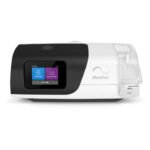
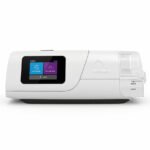
 Featured Machines
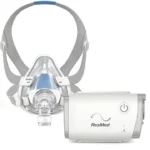 Travel CPAPs
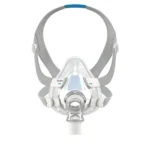
 Most Popular Masks
 Tubes and Hoses
 Humidifier Chambers
 Machine Filters
 Power Cords
 Headgear
 Nasal Pillows
 Cushions and Seals



Travel CPAP Comparison: Find Your Best Fit

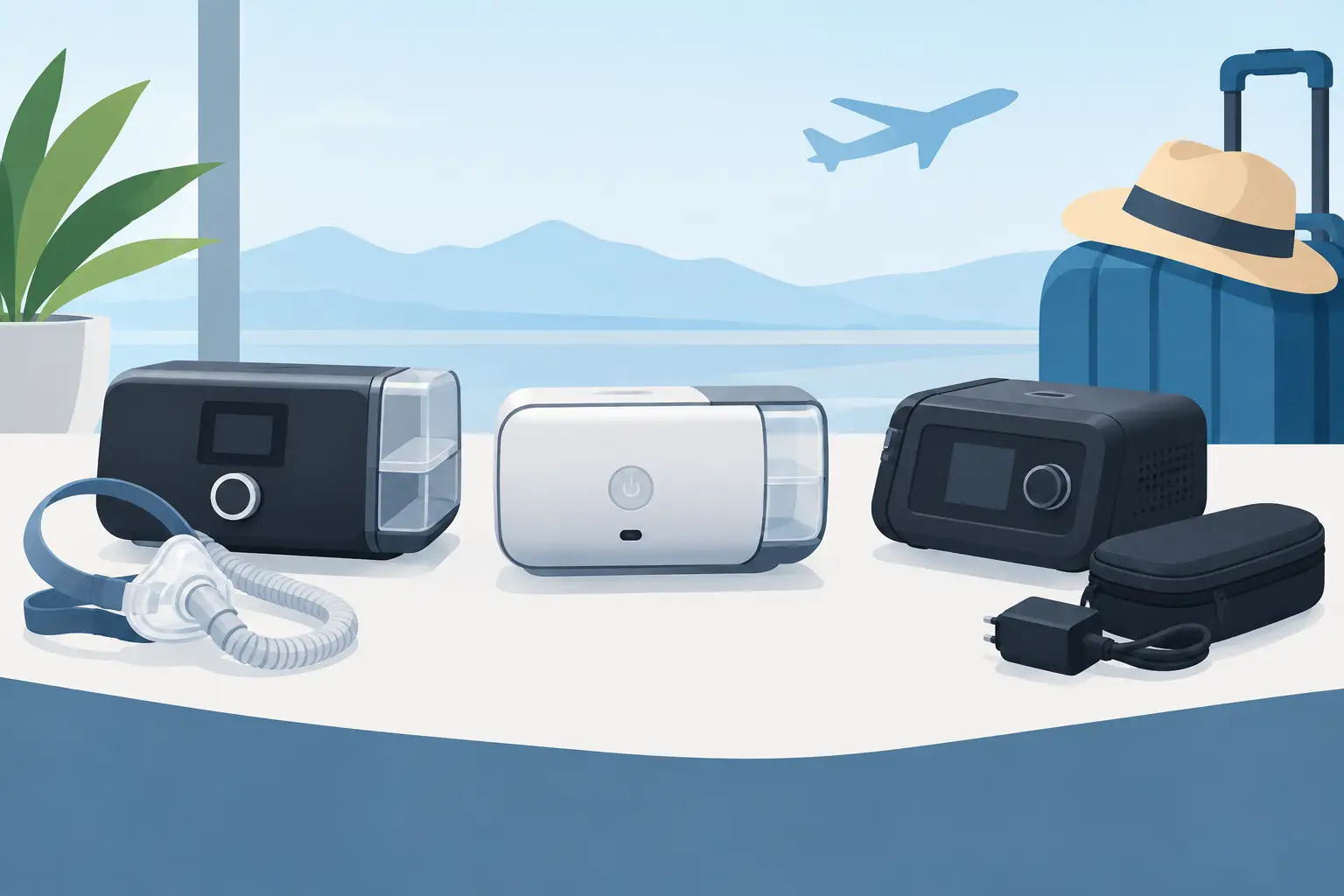
A hotel night should not mean choosing between restorative sleep and packing light. The right travel machine can keep your sleep apnea therapy close at hand without taking up the space of a standard bedside device. This travel CPAP comparison focuses on the decisions that matter most when you are away from home: size, comfort, humidity, power, noise, and how easily the machine fits into the routine you already trust.
A travel CPAP is not automatically better than your home machine. For some travelers, bringing a familiar full-size Auto CPAP is the most comfortable choice. For others, a compact device makes therapy more practical on quick work trips, family visits, camping weekends, and long-haul travel. The best choice is the one you will use consistently.
Travel CPAP Comparison: What Separates the Options
Most travel CPAP machines are designed to deliver effective therapy in a smaller, lighter package. They are easier to pack than a traditional machine, but that portability usually comes with trade-offs. The smallest devices may have fewer comfort features, use a different humidification approach, or require specific accessories.
When comparing models, start with your actual travel pattern. Someone who spends a few nights each month in hotels has different needs than someone who regularly sleeps on planes, travels internationally, or camps without reliable wall power. Your pressure needs, mask preference, and sensitivity to dry air also shape the right answer.
Size and weight
A travel CPAP is built for a carry-on, backpack, or compact overnight bag. The ResMed AirMini, for example, is notably smaller than a standard home CPAP and is easy to set beside a hotel bed without giving up valuable space. A small footprint can be especially helpful when your trip includes multiple stops.
Still, machine size is only part of the packing equation. Include the power supply, tubing, mask components, optional battery, and cleaning supplies in your comparison. A device that looks tiny on its own may need specialized accessories that add to the total travel kit.
Therapy settings and your prescription
Travel devices may be available in Auto CPAP and fixed-pressure CPAP configurations. Auto-adjusting therapy can respond to changes in breathing throughout the night within the pressure range prescribed by your clinician. This may be useful when sleep position, altitude, congestion, or an unfamiliar sleep environment affect your needs.
Your prescription remains central. A compact machine should be set up according to your prescribed therapy settings, not selected solely for its small size. If your prescription has expired or your needs have changed, a virtual consultation and prescription renewal can help you travel with greater confidence.
Mask compatibility
Mask compatibility is one of the most overlooked parts of a travel CPAP comparison. Some travel machines work with standard masks and tubing, while others are designed to work best with dedicated masks, connectors, or tubing systems. The AirMini uses an AirMini setup and is compatible with select ResMed masks through the appropriate connection system.
That can be convenient if you already use a compatible mask, but it may be less appealing if you have finally found comfort with a different style. Before purchasing, confirm whether you can continue using your current nasal mask, nasal pillows, or full-face mask. A good travel machine should support therapy comfort, not force a frustrating change on the road.
Humidification: A Small Feature With a Big Comfort Impact
Standard home machines often use a heated humidifier chamber to add moisture to your airflow. That feature can make a meaningful difference for people who wake with a dry nose, dry mouth, sore throat, or nasal irritation.
Many travel CPAP machines reduce bulk by leaving out a built-in heated water chamber. Instead, they may use waterless humidification, often called heat moisture exchange or HME. With compatible equipment, an HME captures some warmth and moisture from your exhaled breath and returns it to the airflow you breathe in.
Waterless humidity is convenient because there is no chamber to fill, empty, or dry before a morning flight. However, it does not feel identical to heated humidity. If you rely on high humidity at home, travel in dry climates, or tend to breathe through your mouth, you may need time to adjust. A full-face mask, chin strap, or a carefully chosen humidity option may improve comfort, depending on your therapy setup.
For trips where comfort matters more than packing space, bringing your regular machine with its heated humidifier may be the better call. This is especially true for extended stays, allergy seasons, or destinations with very dry indoor air.
Power, Batteries, and Air Travel
Hotel travel is simple when you have dependable outlet access. Camping, road trips, power outages, and overnight flights require more planning. Do not assume that any portable battery will work with your CPAP. Battery capacity, cable compatibility, machine pressure, humidification use, and altitude can all affect runtime.
Choose a battery designed for your machine whenever possible, and test the complete setup at home before departure. If you are using a waterless humidity solution, battery runtime may differ from what you experience with heated humidification on a full-size device.
For air travel, CPAP devices are generally treated differently from ordinary carry-on belongings, but individual airline requirements can vary. Check your airline’s current policy before you fly, especially if you plan to use therapy in the air. Ask about advance notice, in-seat power availability, battery labeling, and any documentation they may request. Keep your machine, prescription information, and essential supplies in your carry-on rather than checked luggage.
International travelers should also confirm outlet types and voltage needs. The correct plug adapter is not the same as a power converter. Review your machine’s power specifications before packing to avoid an unwelcome surprise at your destination.
Noise, Setup, and Sleeping With a Partner
Travel CPAPs are designed with quiet operation in mind, but sound is subjective. The airflow noise you notice may come from the machine, tubing, mask vent, or a minor leak around the cushion. In a quiet hotel room, a small difference can feel more noticeable than it does at home.
A machine that is easy to set up can protect your routine after a late arrival. Look for controls you can understand without a lengthy manual, a travel case that keeps parts organized, and a setup you can assemble in dim light. If you share a room, try the device at home first so both you and your partner know what to expect.
Comfort is also about familiar habits. Pack an extra cushion, spare filters, and any small mask parts that are easy to lose. These items take little room and can prevent a missed night of therapy if something gets damaged or misplaced.
When a Travel CPAP Makes Sense
A dedicated travel CPAP is often a strong choice if you travel frequently, prefer to keep your home setup in one place, or want a lighter option for short trips. It can also offer peace of mind as a backup machine, provided it is prescribed and configured appropriately for your therapy.
Your regular home machine may be the better choice if you depend on heated humidification, use a mask that is not compatible with your preferred travel device, or are taking a longer trip where comfort outweighs portability. Many experienced CPAP users keep both options: a full-featured machine for home and extended stays, plus a compact device for travel days.
A Practical Way to Choose
Before selecting a machine, write down the trips you take most often and the comfort features you use every night. Consider whether you need battery power, whether your current mask will work, and how you typically feel without heated humidity. Then compare the total system, not just the machine itself.
If you are new to treatment, focus first on getting comfortable with consistent therapy at home. Once your sleep routine feels natural, a travel device becomes much easier to use. Sleep Restoration Center can help eligible patients navigate home sleep testing, virtual support, prescription needs, and equipment choices from home.
The goal is not to find the smallest machine at any cost. It is to protect the deeper, steadier sleep that helps you feel restored wherever you wake up next.