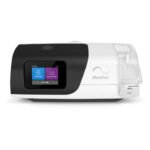
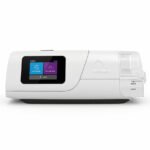
 Featured Machines
 Travel CPAPs
 Most Popular Masks
 Tubes and Hoses
 Humidifier Chambers
 Machine Filters
 Power Cords
 Headgear
 Nasal Pillows
 Cushions and Seals



Is a ResMed AirCurve Bilevel Machine Right for You?

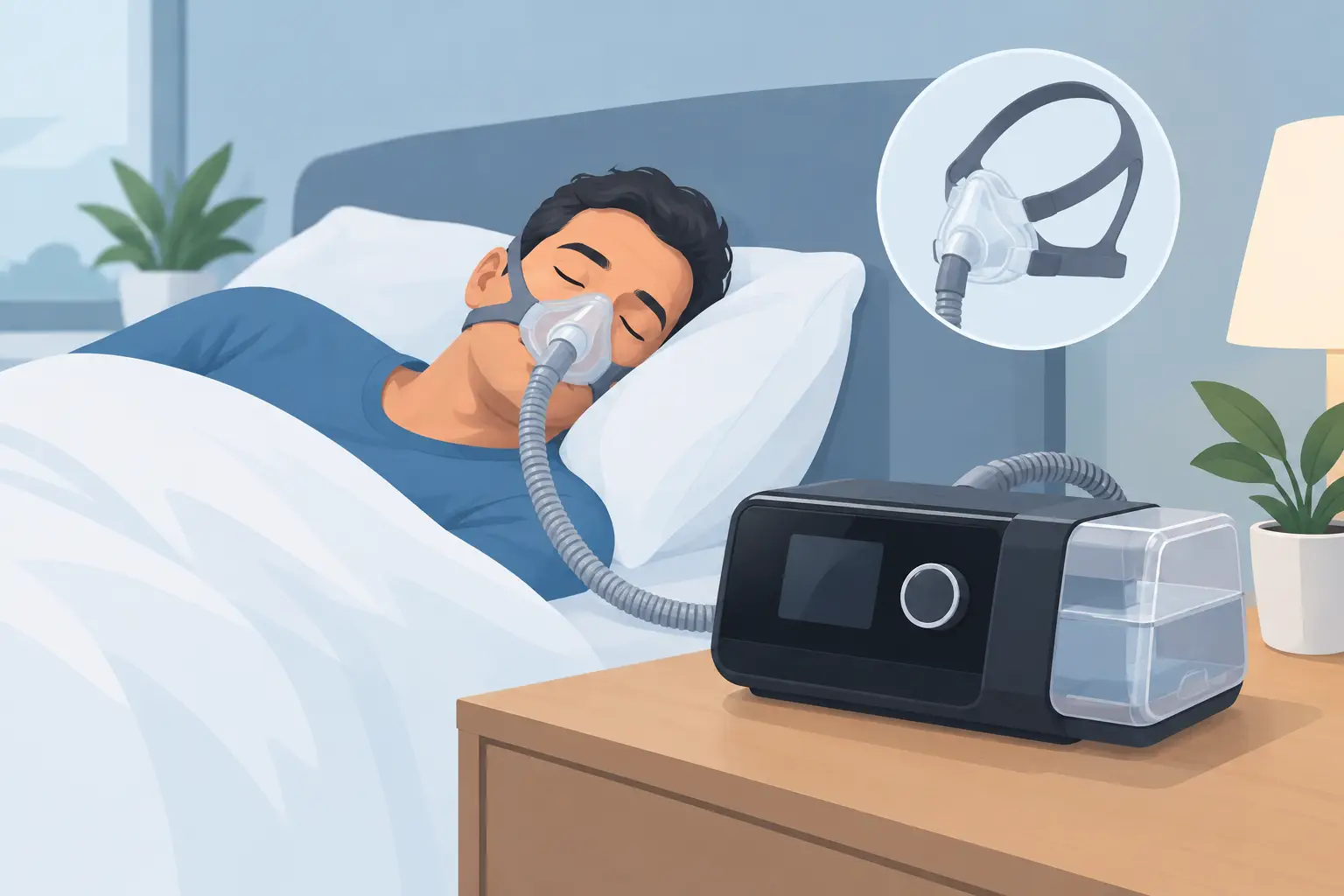
Waking up feeling as though you worked all night just to breathe can make sleep apnea treatment feel more urgent than optional. A ResMed AirCurve bilevel machine may be a helpful next step for people who need more individualized pressure support than standard CPAP therapy provides. The right device is not simply about having more features. It is about finding a therapy setup that helps you breathe better, sleep deeper, and stay consistent with treatment.
What a ResMed AirCurve Bilevel Machine Does
CPAP therapy delivers one continuous pressure to help keep the upper airway open during sleep. Bilevel therapy uses two prescribed pressure levels instead: a higher pressure when you breathe in and a lower pressure when you breathe out.
That difference can matter when exhaling against a single higher pressure feels uncomfortable. With bilevel therapy, the lower exhalation pressure may make breathing feel more natural while the higher inhalation pressure continues to support your airway. For some people, that added comfort makes it easier to use therapy for the full night, not just until the mask comes off at 2 a.m.
ResMed AirCurve devices are bilevel machines designed for specific sleep-disordered breathing needs. Depending on the model and prescription, the machine may provide fixed bilevel pressure or automatically adjust support within settings established by a qualified clinician. It is advanced therapy, but the nightly routine can still be straightforward: put on your mask, start treatment, and allow the machine to do its work.
Who May Benefit From Bilevel Therapy?
A bilevel machine is not automatically better than CPAP or APAP. Many people do very well with standard positive airway pressure therapy, especially when their mask fit, humidity, and pressure settings are well matched to their needs.
A clinician may consider bilevel therapy when someone requires higher treatment pressures, struggles to exhale comfortably on CPAP, or has not been able to use standard therapy consistently despite appropriate troubleshooting. Some people with particular respiratory conditions or complex sleep-breathing patterns may also need a specialized bilevel mode.
The key is understanding why therapy feels difficult. Dry mouth, air leaks, congestion, a poorly fitting mask, and humidity settings can all make CPAP feel harder than it needs to be. Switching machines without addressing those issues may not solve the problem. A sleep clinician can review your symptoms, sleep study results, therapy history, and device data to determine whether bilevel treatment is appropriate.
If you are new to sleep apnea care, a home sleep test and virtual consultation may help start the process from the privacy of home. If you already use PAP therapy and are having trouble, prescription renewal and clinical follow-up can help clarify whether your settings or equipment should change.
AirCurve Comfort Features That Support Consistent Use
The most successful sleep apnea treatment is the one you can use night after night. ResMed AirCurve machines are built around that reality, combining prescribed pressure support with features intended to make the experience more comfortable and manageable at home.
Many AirCurve setups can work with heated humidification to add moisture to therapy air. This may help reduce the dry nose, dry throat, or stuffy feeling that can interfere with a rejuvenating night’s sleep. Heated tubing, when compatible with the device and your prescribed setup, can help maintain a more comfortable air temperature and reduce condensation in the tube.
Comfort also depends on the mask. A full-face mask may be a practical choice if you breathe through your mouth or often have nasal congestion. Nasal masks and nasal pillow masks can feel lighter for people who prefer less facial coverage. There is no universal best option. The right mask is one that seals reliably without being overtightened and allows you to sleep in your usual position.
AirCurve devices also collect therapy information that can help your care team see patterns such as usage, leaks, and how treatment is responding over time. Those insights can turn a vague complaint like “I still feel tired” into a more useful conversation about pressure comfort, mask fit, sleep habits, or whether another health issue may be affecting your rest.
Choosing the Right AirCurve Model and Prescription
“AirCurve” describes a family of bilevel devices, not one interchangeable machine. The model, therapy mode, pressure settings, humidifier configuration, and mask all need to align with your prescription and clinical needs.
Some people are prescribed an auto-adjusting bilevel option for obstructive sleep apnea when variable pressure needs are appropriate. Others need a fixed bilevel setup. More specialized therapy modes are used for specific conditions and should only be selected and managed under close clinical guidance. Do not change pressure settings on your own based on internet advice or a single uncomfortable night.
In the United States, an AirCurve bilevel device requires a valid prescription. Your prescription should identify the appropriate machine type and treatment settings. If your prescription has expired or your therapy needs have changed, a virtual sleep consultation may be a convenient way to discuss next steps with a qualified provider.
Before purchasing, confirm what is included with the device and what you may need separately. A complete setup often involves a compatible mask, tubing, humidifier chamber, filters, and power supply. Replacement supplies matter, too. Cushions, headgear, filters, and water chambers wear over time, and keeping them clean and current supports comfort and reliable treatment.
Getting Comfortable During the First Weeks
A new bilevel machine can feel different at first, even when it is the right clinical choice. Give yourself time to adjust, but do not quietly tolerate persistent discomfort. Early support can prevent small problems from becoming reasons to stop therapy.
Start by using the machine while awake for a few minutes in a relaxed setting. This lets you get used to the airflow and practice settling the mask without the pressure of trying to fall asleep. When you begin overnight use, aim for every sleep period, including naps. Consistency helps your body adapt and gives your care team better information if adjustments are needed.
Pay attention to leaks. A little air movement is normal, but air blowing into your eyes, loud fluttering, or repeated mask shifting usually means the fit needs attention. Adjust the mask while lying in your normal sleep position, and avoid tightening straps too much. Over-tightening can worsen leaks and leave sore marks.
Humidity is another common adjustment point. If your nose or throat feels dry, your humidity may need to be increased. If you notice water droplets in the tubing or mask, the setting may be too high for your room conditions, or heated tubing may help if it is appropriate for your setup. Small changes, made thoughtfully, are often more effective than changing everything at once.
Insurance, Costs, and Ongoing Support
Bilevel equipment is a meaningful investment in your health, so it is reasonable to ask clear questions about cost. Insurance coverage for a ResMed AirCurve bilevel machine can vary by plan, deductible, documentation requirements, and whether the plan purchases or rents durable medical equipment. Your diagnosis, prescription, and compliance requirements may also affect coverage.
Insurance verification can help you understand potential out-of-pocket costs before ordering. If you are paying directly, ask about the full setup rather than looking only at the machine price. Planning for masks and replacement supplies helps avoid interruptions later.
Sleep Restoration Center brings home testing, prescription support, insurance verification, and premium PAP equipment into one online care path, so you can spend less time piecing together the logistics of treatment. Privacy, clear prescription requirements, and responsive support are especially valuable when you are starting a therapy routine that will become part of every night.
When to Contact Your Sleep Care Team
Reach out promptly if you continue to feel unable to tolerate therapy, wake with significant shortness of breath, experience new chest discomfort, or notice that your sleep quality is worsening. You should also contact your care team if your machine indicates persistent problems, your mask leaks despite fitting efforts, or you remain very sleepy after you have been using treatment consistently.
Bilevel therapy can be highly effective, but it works best as a partnership between the prescribed device, the right accessories, and ongoing clinical guidance. The goal is not to force yourself through another difficult night. It is to build a comfortable, dependable routine that gives your body the chance to rest, recover, and greet the morning with more energy.