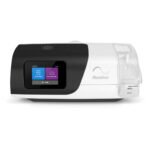
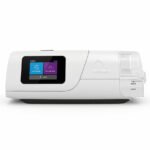
 Featured Machines
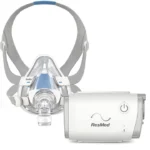 Travel CPAPs
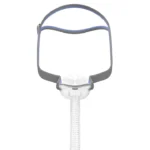 Most Popular Masks
 Tubes and Hoses
 Humidifier Chambers
 Machine Filters
 Power Cords
 Headgear
 Nasal Pillows
 Cushions and Seals


Who Needs Bilevel Therapy? Signs It May Help

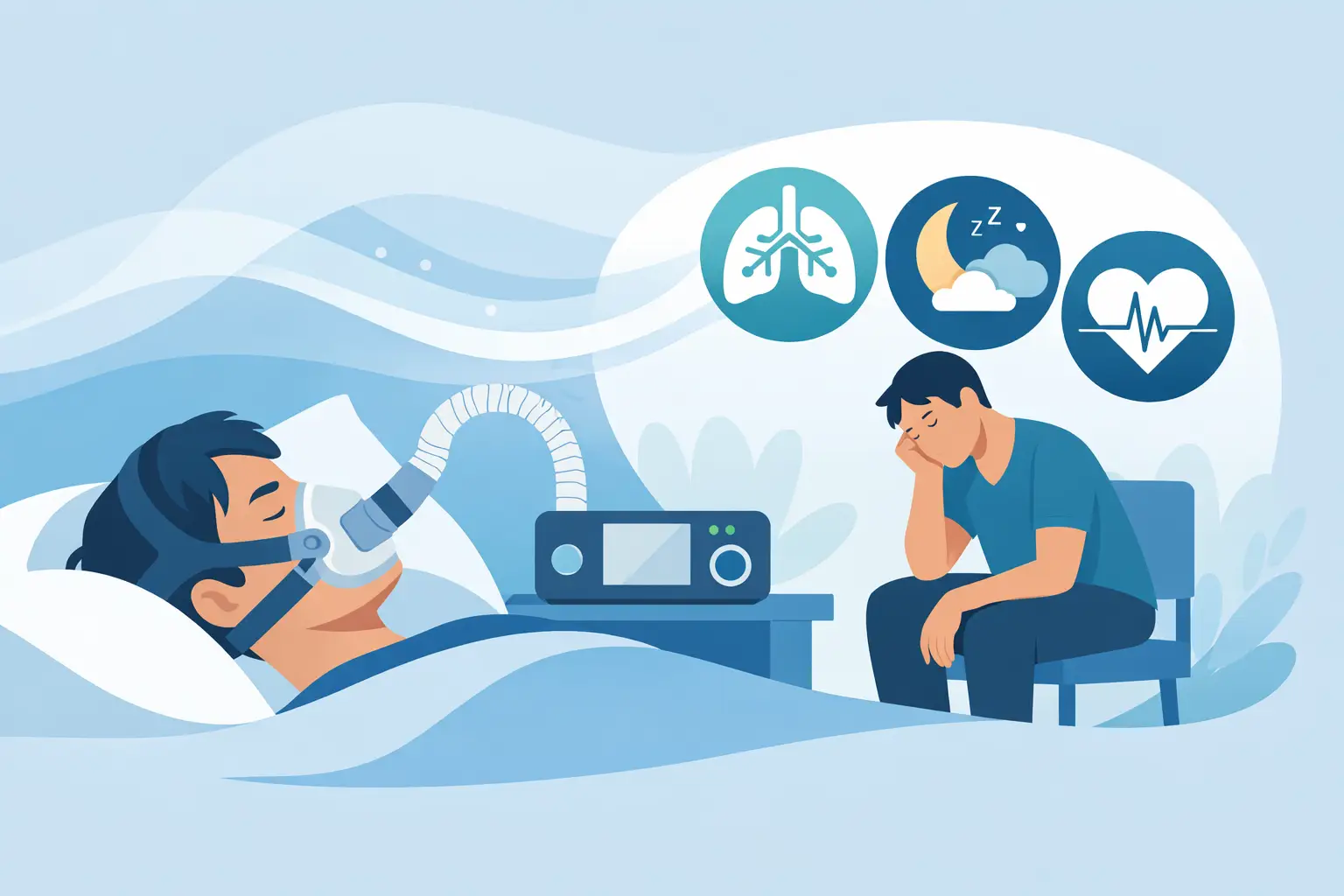
For many people with sleep apnea, CPAP or APAP therapy is an effective first step toward quieter nights, steadier breathing, and more restorative sleep. But who needs bilevel therapy? It may be an option when standard PAP pressure feels difficult to tolerate, when a higher pressure is needed to keep the airway open, or when a clinician identifies another breathing concern that calls for more individualized support.
Bilevel therapy is not necessarily “better” than CPAP. It is a different type of positive airway pressure treatment, prescribed for specific needs. The right choice starts with a sleep apnea evaluation, your sleep-study results, and an honest conversation about how you feel while using therapy.
What bilevel therapy does differently
Bilevel positive airway pressure, often called bilevel PAP or BiPAP, delivers two pressure levels. A higher pressure supports your inhale, while a lower pressure makes it easier to exhale. This differs from traditional CPAP, which delivers one fixed pressure, and APAP, which adjusts within a prescribed pressure range.
That lower exhale pressure can make a meaningful difference for someone who feels they are pushing hard against the airflow from a CPAP machine. The pressure difference can also provide additional breathing support in situations where a sleep clinician determines it is appropriate.
Many bilevel devices can be set with advanced modes and detailed comfort features. Still, the extra settings are a reason to use bilevel therapy under prescription and clinical guidance, rather than treating it as a simple upgrade. The goal is effective treatment that feels sustainable night after night.
Who needs bilevel therapy most often?
A sleep specialist may consider bilevel therapy for several reasons. Some people need relatively high PAP pressures to prevent airway collapse. Others have tried CPAP or APAP and continue to struggle with comfort or adherence despite practical adjustments, such as changing the mask, refining humidity, addressing leaks, or using pressure-relief features.
People prescribed higher PAP pressures
When obstructive sleep apnea requires a higher pressure, exhaling against a single continuous pressure can feel uncomfortable for some users. A bilevel device lowers the pressure during exhalation while maintaining higher inspiratory support. This can make treatment feel more natural and reduce the sensation of working against the machine.
High pressure alone does not automatically mean bilevel is needed. Plenty of people do very well with CPAP or APAP at higher settings, particularly with a well-fitted mask and humidification. But if the pressure feels persistently hard to manage, it is worth discussing with your prescriber rather than simply giving up on therapy.
People who cannot comfortably exhale on CPAP
A common concern is, “I can breathe in, but breathing out feels difficult.” Sometimes this is caused by an overly tight mask, nasal congestion, dry air, anxiety during the adjustment period, or settings that need review. These issues should be addressed first because a different mask or humidity setting may solve the problem.
If discomfort continues after those steps, bilevel may offer relief by reducing pressure during exhalation. Comfort matters because the most advanced machine cannot help if it spends the night on the bedside table.
People whose sleep apnea is not adequately controlled
Follow-up data may show ongoing breathing events, low oxygen levels, or disrupted sleep despite regular PAP use. In those cases, a clinician may reassess the diagnosis, pressure needs, mask leak, sleep position, medication use, and other health factors. Bilevel therapy can be part of that plan, but it is not the only possible answer.
A pressure change, mask adjustment, APAP range revision, or treatment for nasal obstruction may be more appropriate. The key is to use the data and your symptoms together. Feeling tired despite using therapy deserves attention, not guesswork.
People with certain breathing or health conditions
Bilevel therapy is sometimes used for people with sleep-related hypoventilation, certain neuromuscular conditions, chronic respiratory issues, or other situations involving insufficient breathing support during sleep. It may also be considered when complex sleep-disordered breathing is identified during testing or treatment.
These cases require careful clinical oversight. The correct mode, pressure settings, and follow-up plan depend on the condition involved. Do not change from CPAP to bilevel on your own or use someone else’s settings, even if your symptoms seem similar.
Signs to bring up during a virtual sleep consultation
You do not need to decide whether you need bilevel therapy before speaking with a clinician. Your job is to describe what is happening as clearly as possible. Mention if you regularly remove your mask because exhaling feels uncomfortable, wake feeling short of breath, notice persistent bloating from swallowed air, or cannot use your prescribed therapy long enough to benefit from it.
Also share whether you still snore, have witnessed breathing interruptions, wake with headaches, or remain excessively sleepy after using PAP consistently. Your machine’s therapy data, when available, can help reveal patterns involving pressure, leaks, and residual events.
Be specific about the practical details, too. Are you using a nasal mask while breathing through your mouth? Is dry mouth waking you up? Does congestion make your mask feel unusable? A comfort issue does not always mean you need a new machine. Sometimes the solution is a better-fitting mask, fresh cushions, heated tubing, humidity adjustments, or support while you adapt.
What to expect if bilevel is prescribed
Bilevel therapy begins with a prescription. A clinician reviews your sleep test, medical history, current therapy experience, and any available treatment data to determine whether bilevel is appropriate. In some cases, additional testing or a titration study may be needed to find settings that effectively support breathing.
Once prescribed, take time to get comfortable with the equipment. Practice with the mask while awake, using the machine’s ramp or comfort features if they are part of your prescription. Keep the mask clean, replace worn cushions and filters on schedule, and contact your care team if you develop ongoing leak, skin irritation, dryness, or discomfort.
A bilevel device can be highly effective, but it is still only one part of successful treatment. Consistent use, a comfortable mask, proper maintenance, and follow-up all help turn prescribed therapy into a routine that supports better days.
CPAP, APAP, or bilevel: the right therapy is personal
CPAP, APAP, and bilevel therapy all serve the same larger purpose: helping you maintain steadier breathing during sleep. For uncomplicated obstructive sleep apnea, CPAP or APAP is often the most straightforward and effective choice. Bilevel may be a better fit when pressure requirements, exhalation comfort, or specific clinical findings call for two levels of support.
There are trade-offs. Bilevel machines are typically more specialized and may have different insurance requirements than standard CPAP equipment. Coverage often depends on your diagnosis, prescription, and documented medical need. Before purchasing equipment, confirm what your plan covers and make sure the machine matches your current prescription.
At Sleep Restoration Center, home sleep testing, virtual guidance, prescription support, and therapy equipment can help make the process feel less fragmented. Whether you are beginning treatment or reevaluating a machine that no longer feels comfortable, the next step is a conversation grounded in your symptoms and sleep data.
Breathing better at night should not feel like a struggle you have to accept. If your current PAP therapy is uncomfortable or leaves questions unanswered, ask for a review. The right support can help you build a more comfortable routine and move closer to the rejuvenating night’s sleep you deserve.